3 Types of Pet Doors: Which One is Best for Your Home
6 min read
1108 words
Providing your furry friend with the freedom to roam in and out of your home as they please can be a game changer for both of you. A pet door offers independence for your pet and convenience for you. Instead of constantly stopping what you are doing to let your dog into the yard or your cat back inside, a pet door allows them to come and go on their own schedule. Pet doors can also help reduce accidents indoors, provide pets with more opportunities for exercise, and make life easier for busy households. However, choosing the right pet door can feel overwhelming. With so many styles, sizes, and features available, it is important to consider your home’s layout, your pet’s needs, and the level of security you want.
This article will explore three common types of pet doors, highlighting their features and benefits to help you decide which one best suits your needs.
1. The Classic Flap Door
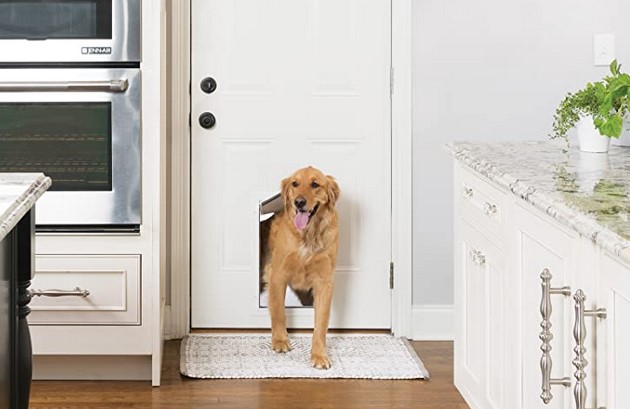
The flap door is the most traditional and widely recognized type of pet door. It consists of a hinged flap, typically made of flexible plastic or rubber, that your pet can push open to pass through.
These pet doors have been popular for decades because they are simple, affordable, and easy for most pets to learn how to use. They can be installed in exterior doors, walls, or even certain window designs, making them a versatile choice for many homes.
Key Features of Flap Doors
Affordability: Flap doors are generally the most cost effective option, making them a great choice for homeowners on a budget.
Easy Installation: They are relatively simple to install in doors, walls, or even windows. Many homeowners with basic DIY skills can install one themselves, while professional installation is also available.
Variety of Sizes: Available in a range of sizes to accommodate different breeds and sizes of pets. Whether you have a small cat or a large dog, there is likely a flap door designed to fit.
Many models also include locking panels that allow homeowners to secure the opening at night or when they are away from home.
Considering the Downsides
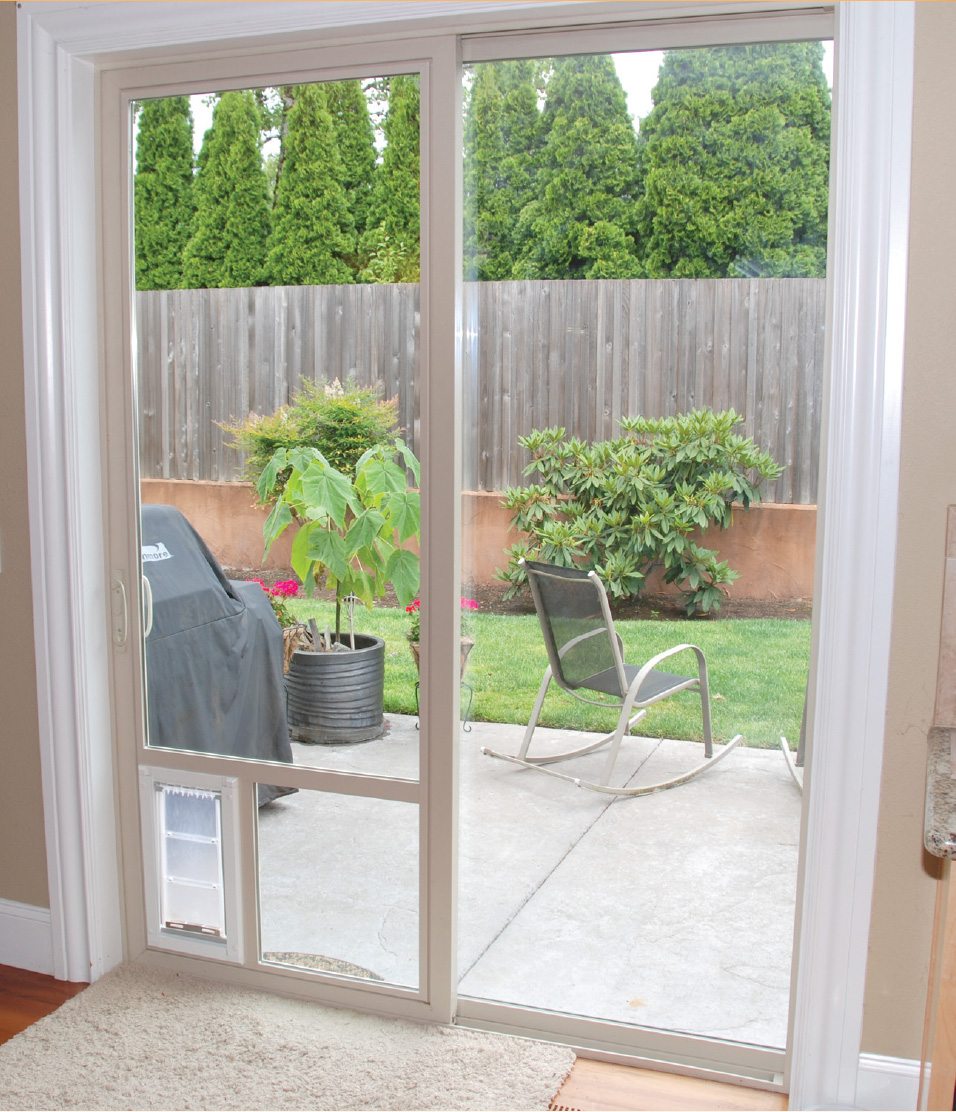
While affordable and popular, flap doors can lack energy efficiency. Depending on the quality of the flap and the seal, drafts can be a concern, especially in colder climates or during the summer when air conditioning is running.
Additionally, they offer minimal security, as larger animals or even unwanted intruders could potentially push through. Wildlife such as raccoons or stray animals may also find it easier to enter your home if the door is left unlocked.
Regular cleaning and occasional replacement of worn flaps can help maintain performance and improve the seal over time.
2. The Magnetic or Electronic Door
For enhanced security and energy efficiency, consider a magnetic or electronic pet door. These doors use a special collar tag or microchip implant that your pet wears. When the pet approaches the door, it recognizes the tag or chip and unlocks, allowing entry.
Electronic pet doors have become increasingly popular among homeowners who want greater control over when and how their pets access the outdoors.
Benefits of Electronic Doors
Enhanced Security: Prevents unwanted animals from entering your home. Only pets wearing the programmed collar tag or registered microchip can unlock the door.
Improved Energy Efficiency: Creates a tighter seal, minimizing drafts and heat loss compared to traditional flap doors.
Controlled Access: Allows you to control when your pet can go in and out. Some models include programmable timers that automatically lock the door during certain hours.
Many premium electronic pet doors also connect to smartphone apps, allowing owners to monitor activity and adjust settings remotely.
Potential Drawbacks
Electronic pet doors come with a higher price tag than flap doors. They also require batteries or an electrical connection to function, and you’ll need to ensure your pet wears the appropriate collar tag or is microchipped.
Like any electronic device, occasional maintenance or battery replacement may be necessary to keep the system operating properly.
3. The Sliding Glass Pet Door Insert
If you have a sliding glass door, a pet door insert can be a convenient and easily removable option. These inserts are designed to fit securely into the existing track of your sliding door, providing an integrated pet door without requiring permanent modifications.
This type of pet door is especially popular among renters or homeowners who do not want to cut into an exterior door or wall.
Advantages of Sliding Door Inserts
Easy Installation and Removal: Simple to install and remove, making them ideal for renters or anyone looking for a temporary solution.
No Structural Changes: Avoids the need to cut into walls or doors, preserving the original structure of your home.
Adjustable Height: Can be adjusted to fit a variety of sliding door heights, making them compatible with many patio door styles.
Some models also include locking mechanisms that allow the sliding door to remain secure while the pet door is in place.
Things to Keep in Mind
Sliding glass pet door inserts typically reduce the opening width of your sliding door, which may be noticeable if you frequently move large items through the doorway.
They may also not be as energy efficient as professionally installed pet doors, depending on the quality of the seal. In regions with extreme temperatures, choosing a model with insulated panels can help improve performance.
Factors to Consider Before Buying a Pet Door
Before making your final decision, think about a few additional factors.
Pet Size: Measure your pet carefully to ensure the opening is large enough for comfortable use.
Age and Mobility: Older pets or those with arthritis may benefit from doors with lower thresholds that are easier to step through.
Climate: If you live in an area with harsh winters or hot summers, choosing an energy efficient model can help reduce heating and cooling costs.
Security: If wildlife or neighborhood animals are common in your area, an electronic pet door may offer greater peace of mind.
Installation Location: Consider whether a door, wall, or sliding patio door installation makes the most sense for your home’s layout.
Final Thoughts
Choosing the right pet door ultimately depends on your budget, your pet’s size and temperament, and your home’s layout. Carefully consider the pros and cons of each type to ensure you select the best option for your needs and provide your furry friend with the freedom they deserve.
Whether you choose a simple flap door, a high tech electronic model, or a convenient sliding glass insert, the right pet door can make everyday life easier for both you and your pet while giving them the independence to safely enjoy the outdoors.