Dog Diarrhea: What to Do and When to See a Vet
11 min read
2197 words
It is 3:00 a.m., and you suddenly wake up to the sound of your dog moving around restlessly in her crate. You can hear her pacing back and forth, and you immediately know something is wrong. You get up, open the crate, and hurry her toward the front door. She desperately needs to go outside, and what follows is the unmistakable sight of loose, watery stool. Then it happens again. And again. Before long, you are making repeated trips outside in the middle of the night, trying to comfort your dog while wondering what could possibly have upset her stomach. If you are a dog parent, chances are you have been there. Dog diarrhea can happen suddenly and for many different reasons. Sometimes it is a minor digestive upset that passes within a day. Other times, diarrhea can be a warning sign that your dog needs veterinary attention.
When your dog’s stomach is upset, it is completely normal to feel worried. The good news is that knowing what to watch for can make those stressful moments a little easier.
In this guide, we will look at some of the common causes of dog diarrhea, what you can do at home, when you should call your veterinarian, and a dog specific product that our family found helpful during a particularly difficult episode.
Why Do Dogs Get Diarrhea?
First things first.
Diarrhea is a symptom, not a diagnosis.
Loose stool simply means something is affecting your dog’s digestive system.
Dogs explore the world with their mouths, which means they can easily eat things that do not agree with them. Even something as simple as a dog treat can sometimes cause digestive trouble.
Common causes of diarrhea include:
- Dietary indiscretion: Your dog may have eaten garbage, spoiled food, animal droppings, a dead animal, or something mysterious from the sidewalk.
- Sudden food changes: Changing your dog’s food too quickly can upset the digestive system.
- New treats: A new chew or treat can cause diarrhea, especially if it is rich or if your dog eats too much.
- Rich or fatty foods: Greasy table scraps and fatty foods can be particularly hard on some dogs.
- Food sensitivities: Some dogs are sensitive to certain proteins, grains, or other ingredients.
- Stress: Travel, boarding, changes in routine, fireworks, and other stressful events can affect a dog’s digestive system.
- Parasites: Parasites such as Giardia, roundworms, hookworms, and whipworms can cause diarrhea.
- Infections: Some bacterial and viral infections can cause gastrointestinal symptoms.
- Medications: Certain medications can cause diarrhea as a side effect.
- Underlying health problems: Conditions involving the digestive system, pancreas, liver, kidneys, or other organs can sometimes cause diarrhea.
What Does Dog Diarrhea Look Like?
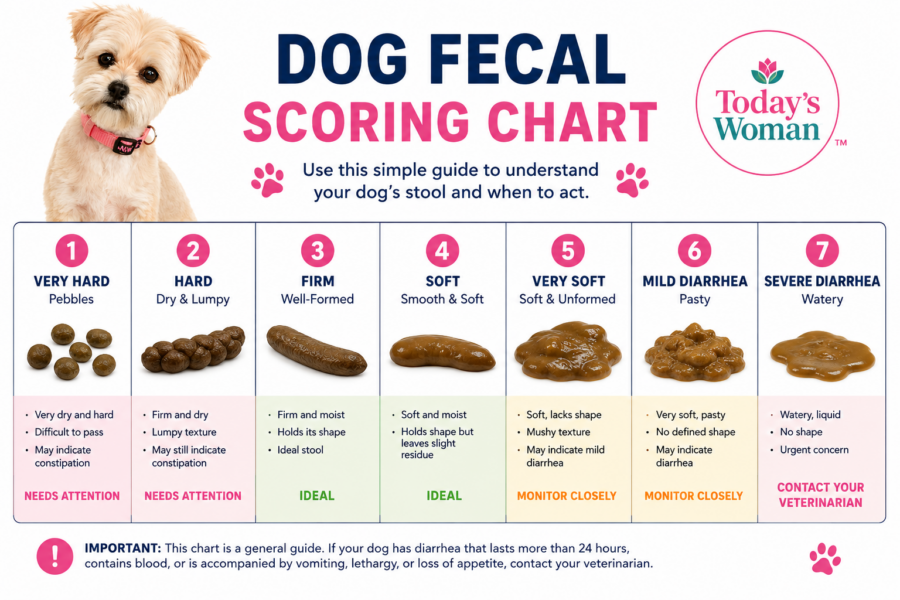
Not all diarrhea looks the same.
Your dog’s stool may be slightly softer than normal, completely watery, unusually frequent, or contain mucus or blood.
You may notice:
- Soft but formed stool: The stool still has some shape but breaks apart easily.
- Loose stool: The stool may look pasty or similar to pudding.
- Watery diarrhea: The stool is almost completely liquid and may come with very little warning.
- Frequent bowel movements: Your dog may suddenly need to go outside every hour or two.
- Accidents inside the house: Even a well trained dog may have an accident when diarrhea comes on suddenly.
- Mucus: A slimy coating can sometimes occur when the intestinal tract is irritated.
- Blood: Bright red blood or very dark, tarry stool should always be taken seriously.
A Helpful Tip
It may not be the most pleasant job, but take a photo of your dog’s stool if you are concerned. You can also collect a fresh sample in a sealed container if your veterinarian asks you to bring one in. The appearance, colour, consistency, and frequency of the stool can provide useful information to your veterinarian.
What Should You Do When Your Dog Has Diarrhea?
If your dog has mild diarrhea but is otherwise bright, alert, drinking normally, and acting relatively well, you may be able to monitor the situation closely.
1. Keep Fresh Water Available
Diarrhea can cause fluid loss, so make sure your dog has access to clean, fresh water.
Do not force your dog to drink.
If your dog is repeatedly vomiting or cannot keep water down, contact your veterinarian.
2. Stop New Treats
If your dog developed diarrhea after trying a new treat, chew, food, or table scrap, stop giving that item.
Keep things simple while you monitor your dog’s condition.
3. Be Careful With Food
For an otherwise healthy adult dog with mild diarrhea, your veterinarian may recommend a veterinary gastrointestinal diet or another appropriate feeding plan.
Do not start giving your dog several different foods at once.
Adding chicken, rice, pumpkin, treats, supplements, and other foods all at the same time can make it difficult to determine what is helping or making the problem worse.
4. Watch Your Dog Closely
Pay attention to your dog’s overall condition.
Keep track of:
- How often your dog has diarrhea
- Whether your dog is drinking
- Whether your dog wants to eat
- Your dog’s energy level
- Any vomiting
- Any blood or mucus in the stool
- Signs of abdominal discomfort
- Whether the diarrhea is improving or getting worse
Your dog’s behaviour can tell you a lot.
A dog who has one loose stool but is still happily wagging its tail and asking for dinner is very different from a dog who is weak, vomiting, refusing water, and hiding.
Can You Give Your Dog Something for Diarrhea?
When your dog is uncomfortable, it is natural to want to make them feel better as quickly as possible. There are products specifically formulated for dogs experiencing occasional digestive upset. However, you should never assume that a medication made for people is safe for your dog.
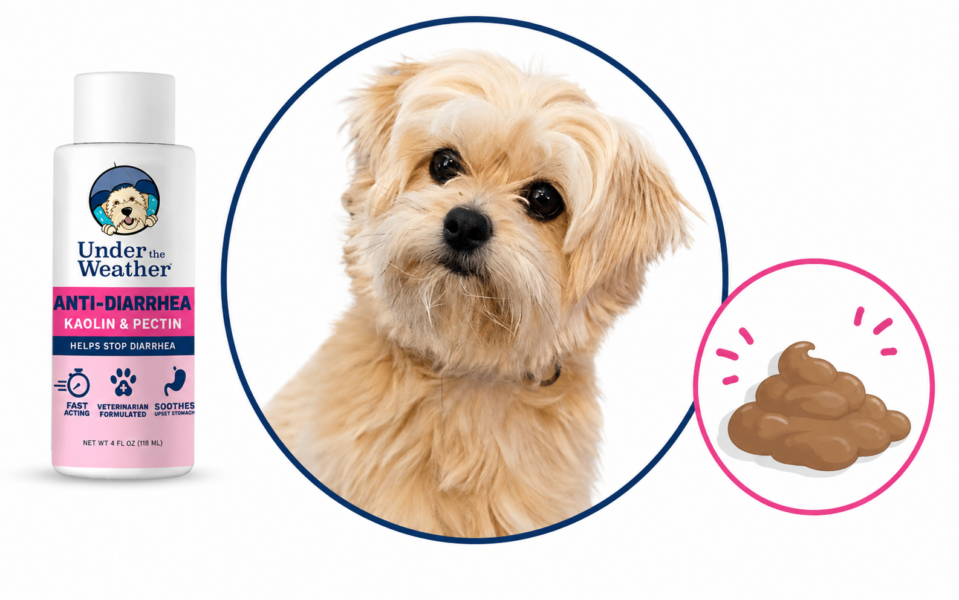
Under the Weather Anti Diarrhea Liquid for Dogs
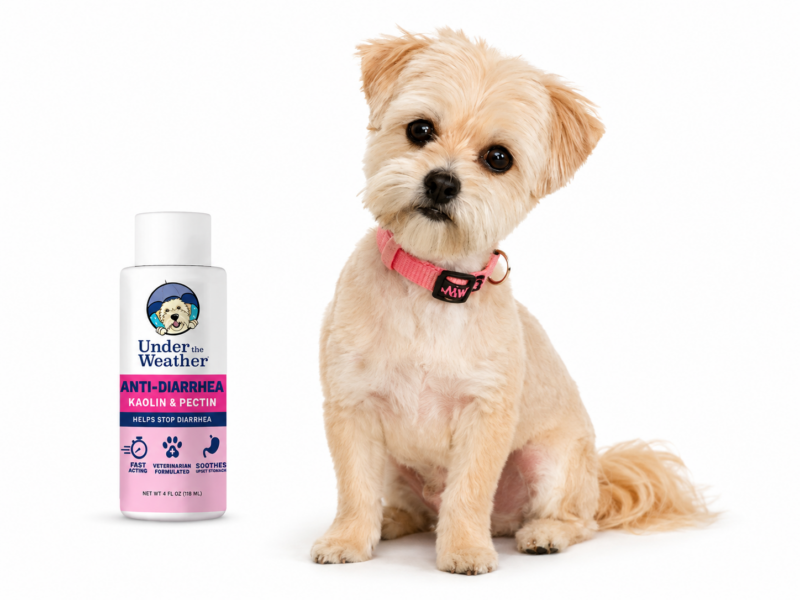
One dog specific product worth knowing about is Under the Weather Anti Diarrhea Liquid for Dogs. The manufacturer describes the product as a veterinarian formulated liquid intended to help soothe digestive upset and firm loose stools.
The active ingredient is 8 percent kaolin, and the formula also contains pectin.
The manufacturer’s directions state that the bottle should be shaken well and the appropriate amount mixed with food every 12 hours, or as directed by a veterinarian.
The recommended amount depends on your dog’s weight. The manufacturer also recommends consulting a veterinarian before using the product in dogs weighing less than 5 pounds.
Always read the current label before using any pet product.
My Personal Experience With Under the Weather
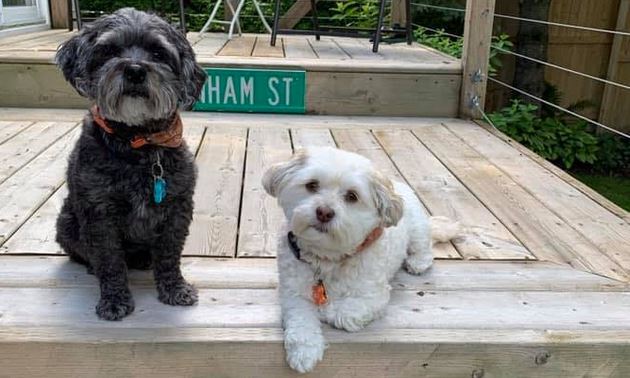
During a stressful period with my Shih Poo, a new dog treat triggered prolonged diarrhea. We called our local Pet Valu for guidance and described the symptoms and their duration. They recommended Under the Weather Anti Diarrhea Liquid for Dogs. We purchased it, followed the bottle directions, and the dog’s stool began to firm up; her appetite returned and she seemed more like herself over time.
I cannot say that the product alone caused her improvement. We had also stopped giving her the new treat, were focused on keeping her hydrated, and were offering food that was gentle on her stomach. This was simply our experience, and it should not be considered a guarantee that the product will work for every dog or every cause of diarrhea.
What Is Kaolin?
If you have never heard of kaolin before, you are not alone. Kaolin is a clay based ingredient used in some gastrointestinal products. In Under the Weather Anti Diarrhea Liquid for Dogs, kaolin is the active ingredient and pectin is also included in the formula. It is important to remember that a product designed to help manage diarrhea does not necessarily treat the underlying cause. If your dog is seriously ill, veterinary care should take priority.
When Should You Call the Vet?
This is one of the most important things every dog owner should know.
Mild diarrhea can sometimes resolve on its own, but persistent or severe diarrhea can lead to dehydration and may be a sign of an underlying medical problem.
Contact your veterinarian promptly if you notice:
- Diarrhea that continues or gets worse
- Multiple episodes of completely watery diarrhea
- Blood in the stool
- Black or tarry stool
- Repeated vomiting
- An inability to keep water down
- Refusal to eat or drink
- Significant weakness or lethargy
- Signs of abdominal pain
- Signs of dehydration
- A major change in your dog’s behaviour
If you simply feel that something is not right, call your veterinarian.
You know your dog better than anyone.
What About Puppies and Senior Dogs?
Not every dog should be treated with a wait and see approach.
You should contact your veterinarian sooner if your dog is:
- A young puppy
- A senior dog
- A very small or toy breed
- A dog with an underlying medical condition
- A pregnant or nursing dog
These dogs can be more vulnerable to complications from vomiting and diarrhea.
Under the Weather also provides specific precautions for its product, including recommending veterinary guidance before use in dogs weighing less than 5 pounds and advising against use in pregnant dogs.
Always read the current product label and speak with your veterinarian if you are unsure whether a product is appropriate for your dog.
What NOT to Give Your Dog for Diarrhea
When your dog becomes sick in the middle of the night, it can be tempting to reach into your own medicine cabinet.
You may wonder if something like Imodium or Pepto Bismol could help.
Do not give your dog human medications for diarrhea unless your veterinarian specifically tells you to do so.
Some medications intended for people can be inappropriate or dangerous for dogs. The correct treatment also depends on what is causing the diarrhea in the first place. Your veterinarian can determine whether medication is appropriate and what product and dosage should be used.
How to Prevent Future Episodes
You cannot prevent every upset stomach, but a few simple habits can help.
Introduce New Foods Slowly
When changing your dog’s food, gradually introduce the new food rather than making a sudden switch.
Introduce New Treats Carefully
Give only a small amount of a new treat at first.
This is especially important if your dog has a sensitive stomach.
Keep Garbage Secure
Dogs are experts at finding things they should not eat.
Use a secure garbage can and keep food waste out of reach.
Keep Dangerous Foods Away
Chocolate, grapes, raisins, onions, garlic, fatty foods, and other potentially harmful foods should always be kept away from dogs.
Watch What Your Dog Eats Outside
Try to prevent your dog from eating animal droppings, garbage, unknown plants, or other things found outdoors.
Keep Product Packaging
If you introduce a new food or treat, keep the original packaging.
If your dog develops diarrhea or another unusual reaction, you will have the ingredient list, lot number, manufacturer information, and other details available.
This is something I have become much more careful about after my own experience.
A Simple Dog Diarrhea Checklist
Mild Diarrhea
- Your dog is bright and alert
- Your dog is drinking normally
- Your dog is not vomiting
- Your dog does not appear to be in severe pain
You can:
- Keep fresh water available
- Stop new treats and table scraps
- Follow appropriate dietary guidance
- Monitor stool and behaviour
- Consider a dog specific digestive support product if appropriate
- Contact your veterinarian if symptoms continue or worsen
Severe Diarrhea
- Blood in the stool
- Repeated vomiting
- Unable to keep water down
- Extreme weakness
- Significant pain
- Signs of dehydration
- Puppy or senior dog
- Pregnant dog
- Dog with an underlying medical condition
Contact your veterinarian promptly.
Final Thoughts
Dog diarrhea is never fun. It is messy, stressful, and sometimes frightening, especially when it happens in the middle of the night. The good news is that some mild cases resolve with supportive care and careful monitoring. The important thing is to look at your dog as a whole:
- Is your dog drinking?
- Is your dog eating?
- Is your dog alert?
- Is your dog still interested in you and its surroundings?
- Or is your dog vomiting, refusing water, extremely tired, showing signs of pain, or becoming increasingly unwell?
Those differences matter.
In my own experience, having a dog specific product such as Under the Weather Anti Diarrhea Liquid for Dogs available was helpful while we were dealing with prolonged diarrhea. But I also learned an equally important lesson. Knowing when not to manage diarrhea at home is just as important as knowing what you can do at home. If your dog’s symptoms are severe, persistent, or concerning, do not rely on an over the counter product to solve the problem. Call your veterinarian.
Your dog cannot tell you what is wrong. You are their voice, their advocate, and the person responsible for deciding when they need help.
Disclaimer: This article is based on general information and personal experience and is not intended to provide veterinary advice or diagnose or treat any medical condition. Every dog is different, and diarrhea can have many possible causes. Product information and directions can change, so always read the current product label and consult your veterinarian if you have questions about whether a product is appropriate for your dog. If your dog develops severe, persistent, or worsening symptoms, contact your veterinarian promptly.