Heat Stroke in Dogs: Signs, Causes & What to Do Fast
7 min read
1277 words
Your dog is your best friend. You share walks, naps, and sunny days together. But did you know that a fun afternoon in the backyard, a car ride, or a simple walk can turn into a life-threatening emergency in minutes? Veterinarians consider heat stroke one of the most preventable yet fatal emergencies in dogs. Heat stroke in dogs is terrifyingly fast and can happen to any pet owner. The good news? By learning to spot the early warning signs and knowing exactly how to act, you can be your dog’s hero. This guide will show you how.
What Is Heat Stroke in Dogs?
Heat stroke (hyperthermia) is a severe condition where a dog’s body temperature rises to a dangerously high level, typically above 104°F (40°C). This isn’t just a case of your pup being warm; it’s a medical emergency where the body’s cooling system completely fails.
It’s crucial to distinguish between overheating and heat stroke. Overheating is the early, reversible stage where a dog is panting heavily to cool down. Heat stroke is the critical next stage where these cooling mechanisms break down, leading to organ damage and potential death.
Why are dogs more vulnerable than us? Humans sweat from nearly our entire body surface to cool down. Dogs primarily cool themselves through panting and a small amount of sweating through their paw pads. In hot, humid weather, panting becomes far less effective, making them much more susceptible to rapid overheating.
Early Warning Signs of Heat Stroke in Dogs
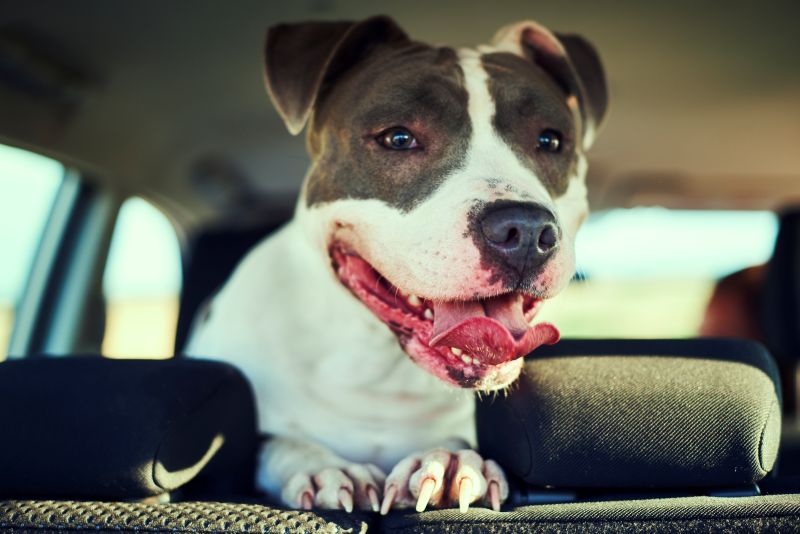
Recognizing these signs quickly is the single most important thing you can do. They can appear within minutes in hot conditions. Act the moment you notice them.
- Heavy or Rapid Panting: Not just after exercise, but loud, labored panting that doesn’t slow down.
- Excessive Drooling: Thick, rope-like saliva around the mouth.
- Bright Red Gums or Tongue: A healthy gum color is pink. A deep red or brick color signals danger.
- Restlessness or Anxiety: Pacing, whining, or seeming unable to get comfortable.
- Weakness or Slowing Down: Lagging behind on walks, stumbling, or reluctance to move.
- Staring, Confusion, or Glazed Eyes: A vacant look or disorientation.
Key Takeaway: These are your dog’s distress signals. They mean “help me now.” Do not wait to see if it gets better.
Advanced Symptoms: The Emergency Stage
If you see these signs, immediate veterinary care is critical. The situation has become severe.
- Vomiting or Diarrhea (sometimes bloody)
- Collapse or Inability to Stand
- Seizures or Tremors
- Pale or Blue-Gray Gums: This indicates shock or lack of oxygen.
- Loss of Consciousness
What Causes Heat Stroke in Dogs?
Understanding the causes helps with prevention. The biggest culprits are:
- Parked Cars: Temperatures inside a car can skyrocket in minutes, even with windows cracked. Never leave your dog in a parked car.
- Hot & Humid Weather: High humidity prevents effective cooling through panting.
- Intense Exercise in Heat: Vigorous play or runs during the hottest parts of the day.
- Lack of Shade or Water: No access to a cool, sheltered area or fresh water.
- Hot Surfaces: Asphalt, pavement, and sand can burn paw pads and radiate heat upwards.
- Brachycephalic Breeds: Flat-faced dogs like Bulldogs, Pugs, and French Bulldogs have compromised airways and are at extremely high risk.
Dogs Most at Risk
While any dog can suffer from heat stroke, be extra vigilant with:
- Brachycephalic (Flat-Faced) Breeds: Bulldogs, Pugs, French Bulldogs, Boston Terriers.
- Senior Dogs
- Puppies
- Overweight Dogs
- Dogs with Heart or Respiratory Conditions
What To Do Immediately If You Suspect Heat Stroke
Follow this step-by-step emergency guide while arranging to go to your emergency vet immediately.
- Move to Shade/AC: Get your dog out of the sun and into the coolest area possible.
- Offer Small Sips of Water: Let them drink, but don’t force it. Too much water too quickly can cause vomiting.
- Cool Down with Lukewarm Water: Use cool tap water, NOT ice-cold water. Ice can cause blood vessels to constrict, trapping heat inside. Wet their entire body, focusing on the neck, armpits, and groin.
- Create Airflow: Use fans, air conditioning, or even a breeze from a car window to help evaporate the water and cool the skin.
- Focus on Paws, Belly, and Neck: These areas have more blood vessels close to the surface and can help cool the body faster.
- Call the Vet: Inform them you are on your way with a heat stroke case so they can prepare.
What NOT to Do
- Do Not Use Ice Baths or Ice Packs: As mentioned, this can cause shock and worsen the condition.
- Do Not Force Large Amounts of Water: This can lead to water intoxication or vomiting.
- Do Not Delay Vet Care: Do not “wait and see.” Heat stroke causes internal damage (like organ failure and blood clotting issues) that requires professional treatment.
- Do Not Leave the Dog Unattended While Cooling: Monitor their consciousness and breathing.
Prevention: The Best Medicine
Stopping heat stroke before it starts is the goal. Here’s how to protect your pet:
- Schedule Smart Walks: Exercise only in the early morning or late evening when temperatures are coolest.
- Use the 5-Second Rule: Place the back of your hand on the pavement for 5 seconds. If it’s too hot for you, it’s too hot for your dog’s paws.
- Always Bring Water: Carry a portable bowl and bottle for your dog on outings.
- Avoid High-Intensity Exercise in Heat: Save fetch and runs for cooler weather.
- Provide Cooling Aids: Consider a cooling mat, vest, or a damp towel for them to lie on.
- Reinforce the Car Rule: Never, ever leave your dog alone in a vehicle.
When to Go to the Vet
Any suspected heat stroke is a medical emergency. You must get to a veterinarian or emergency animal hospital immediately.
Even if your dog seems to recover after home cooling, internal damage can occur. A vet can assess for organ injury, provide IV fluids for hydration, administer oxygen if needed, and monitor for dangerous complications like kidney failure or clotting disorders.
According to veterinary emergency guidelines, heat stroke can cause irreversible organ damage within minutes if not treated.
FAQ
Q1: How fast can heat stroke happen in dogs?
Heat stroke in dogs can develop in as little as 10–15 minutes in hot or humid conditions.
Q2: What temperature causes heat stroke in dogs?
Risk increases above 85°F (29°C), and becomes critical above 104°F (40°C).
Q3: Can a dog survive heat stroke?
Yes, if treated quickly. Survival depends on how fast cooling and veterinary care begin.
Q4: Should I use ice water on a dog with heat stroke?
No. Use cool or lukewarm water only. Ice can make the condition worse.
Conclusion: Act Fast, Stay Safe
Heat stroke in dogs is one of the most serious summer emergencies pet owners face. Preventing heat stroke in dogs starts with understanding how quickly it can develop in hot weather. Remember the key early signs: heavy panting, red gums, drooling, and confusion. These symptoms can progress to a life-threatening emergency in under 15 minutes in hot, humid conditions.
Prevention is your best protection. This includes smart scheduling, constant access to water and shade, and never leaving your dog in a hot car. But if the worst happens, act fast. Your calm, immediate response by following the steps above can make all the difference. Stay alert, stay prepared, and enjoy sunny days safely with your best friend.
This article is for informational and educational purposes only and is not a substitute for professional veterinary advice, diagnosis, or treatment. If you suspect your dog is suffering from heat stroke or any medical emergency, seek immediate assistance from a licensed veterinarian or emergency animal hospital. Never delay professional care based on information provided in this article.