NeeDoh Toys: Beware of Counterfeits This Year
9 min read
1751 words
Every year, it seems there is a new toy that children suddenly cannot live without. Last year, it was Labubu. These little collectible creatures became a huge craze, with children and adults searching for them, collecting different versions and hoping to get their hands on the most popular designs. My own daughter got caught up in the Labubu craze, so I understand how quickly these trends can take over. Along with the excitement came another problem: counterfeit Labubu dolls, often called Lafufus, began appearing for sale. This year, another toy has captured children’s attention, and it is not hard to see why. NeeDoh squishy toys have become incredibly popular, with their soft, squeezable textures and colourful designs. But, much like last year’s Labubu craze, counterfeit products are becoming part of this year’s toy trend, and parents have another reason to be cautious about what they purchase.
From Labubu and Lafufu to the NeeDoh Craze
If you have children, grandchildren or teenagers in your life, chances are you have heard about Labubu. These collectible figures became one of the most recognizable toy crazes of 2025. Part of their appeal was the excitement of collecting different characters, hunting for limited editions and opening mystery boxes without knowing exactly which figure would be inside. My daughter was interested in the Labubu trend, and like many parents, I watched how quickly a particular toy could become something children wanted to collect.
However, the popularity of Labubu also created an opportunity for counterfeit sellers. Fake versions, commonly nicknamed Lafufus, began showing up in online marketplaces and other selling channels. While some people purchased them simply because they were cheaper, others may not have realized they were buying an imitation. The problem with counterfeit toys goes beyond whether the product looks different from the original. Fake toys may not have undergone the same safety testing as genuine products, and their materials, construction and small parts can present risks for children. In October 2025, the UK’s Intellectual Property Office issued a warning about dangerous counterfeit toys, highlighting the significant number of fake Labubu dolls seized before they could reach consumers.
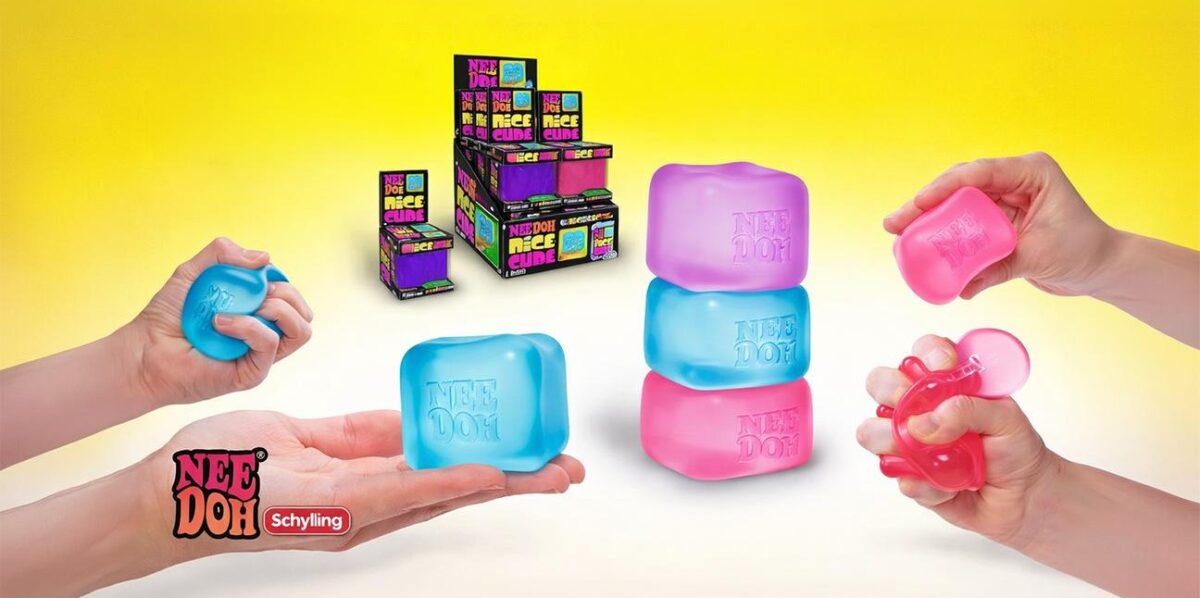
Now, as we move through 2026, NeeDoh and other squishy toys have become the latest must-have items. Although I have not been nearly as involved in this year’s NeeDoh craze through my daughter, I have certainly noticed how popular these toys have become. Children enjoy squeezing, stretching and playing with them, and there are numerous shapes, colours and designs to collect. They are marketed as sensory and fidget toys, making them appealing to children who enjoy having something in their hands. Unfortunately, the same popularity that makes these toys attractive to families can also make them attractive to counterfeit manufacturers.
Counterfeit NeeDoh and Squishy Toys: Why Parents Should Be Cautious
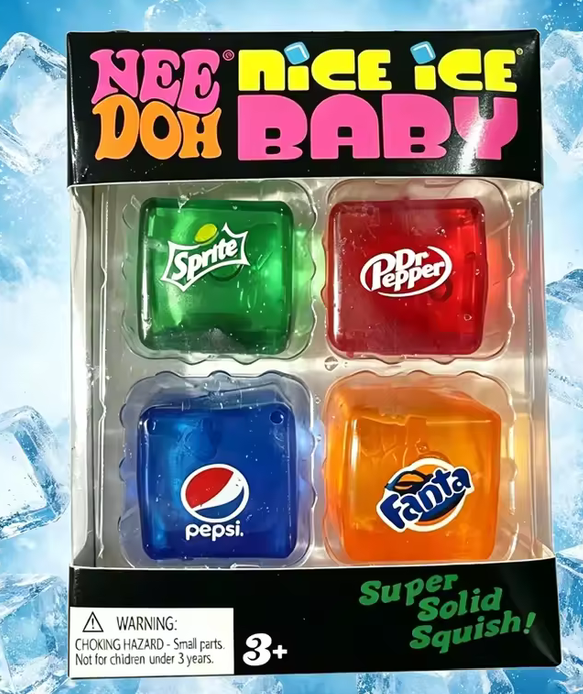
The concern is not simply that a fake toy might look different or be poorly made. Counterfeit squishy toys may contain unknown filling materials, including gels, liquids, powders or water beads. If the outer material tears, punctures or bursts, children could come into contact with those contents. Some counterfeit products may also contain hazardous chemicals or fail to meet applicable toy safety requirements.
On August 5, 2026, the United States Consumer Product Safety Commission (CPSC) issued a consumer safety alert warning about fake and counterfeit squishy toys. The agency raised concerns about products that may not comply with safety requirements involving water beads, small parts, lead, phthalates and other potentially hazardous substances. The CPSC also reported identifying 55 shipments of non-compliant squishy toys at US ports and working with US Customs and Border Protection to prevent more than 355,000 units from entering the country.
It is important to understand that this warning is about counterfeit and non-compliant squishy toys generally. It does not mean that every NeeDoh toy sold by an authorized retailer is counterfeit or unsafe. However, it does give parents a good reason to pay attention to where they purchase these popular toys, particularly when shopping online or buying from unfamiliar sellers.
Health Canada Has Received Reports About Squishy Toys
Canadian parents should also be aware that concerns about squishy toys have not been limited to the United States. In an August 2026 report, CBC News reported that Health Canada had received 36 reports involving squishy dumpling toys between April 23 and August 24, 2026. These included reports of unusual odours, two reports of toys exploding and reports involving injuries such as headaches, skin rashes and difficulty breathing.
Health Canada told CBC that it had not identified any failures to comply with Canadian health or safety regulations and had not confirmed a specific health or safety risk associated with the toys. This is an important distinction. Reports of incidents deserve attention, but they do not automatically establish that every toy in this category is dangerous.
For parents, the takeaway is not to panic or assume that every squishy toy is unsafe. Instead, it is to be aware of what children are playing with, inspect toys regularly and take complaints about unusual smells, leaking or deterioration seriously. A toy that is damaged or behaving differently from when it was purchased should not remain in a child’s toy collection.
How to Spot Fake NeeDoh and Counterfeit Squishy Toys
One of the difficulties with counterfeit toys is that they can look surprisingly similar to the genuine product in photographs. Online listings may use product images that do not accurately represent the item being shipped, and a low price can make an imitation seem like a bargain. When a toy is particularly popular, sellers may take advantage of parents who are simply trying to find the item their child has been asking for.
Before purchasing NeeDoh or another popular squishy toy, check who is selling it. Buying directly from an established retailer or an authorized seller is a sensible precaution. Be especially careful with unfamiliar online stores, social media advertisements and marketplace listings offering prices that seem unusually low. A significant price difference does not automatically prove that a toy is counterfeit, but it is a reason to look more closely.
Pay attention to the packaging as well. Poor printing, spelling mistakes, missing manufacturer information, unclear age recommendations and missing safety warnings can be warning signs. Check that the product description matches the actual toy and that the seller provides clear contact and return information. Remember that attractive packaging alone does not guarantee a product is genuine or safe.
Once the toy is purchased, inspect it before allowing a child to play with it. Look for punctures, weak seams, leaking material, unusual discolouration or a strong chemical smell. The CPSC also advises consumers to stop using squishy toys that feel oily or unusually sticky, are easily torn or have an unknown manufacturer. If something about the toy seems unusual, it is better to put it aside rather than take a chance.
Why You Should Never Microwave or Heat NeeDoh Toys
Another safety concern involving squishy toys is a social media trend encouraging children and teenagers to microwave or heat them to change their texture. Videos showing toys being heated, expanding or bursting can attract attention, but this is not a harmless experiment to recreate at home.
The CPSC has specifically warned that squishy toys can burst when exposed to heat, releasing their contents and potentially causing serious burns. The material inside some toys can be sticky and adhere to the skin, continuing to transfer heat and making an injury worse. A toy can also become dangerously hot if left inside a vehicle on a warm day, in prolonged direct sunlight or near a heater.
Parents should make it clear that NeeDoh and other squishy toys should never be placed in a microwave or intentionally heated. Children should also avoid leaving them in hot cars or near other heat sources. A viral video is not evidence that an activity is safe, and this is one trend that is simply not worth copying.
What Should Parents Do If a Squishy Toy Breaks or Leaks?
If a squishy toy develops a hole, starts leaking or bursts, stop using it immediately. Keep children and pets away from the released contents, and do not allow children to touch, taste or play with the filling. Avoid direct skin contact when cleaning up the material, particularly if the toy has been heated or the contents are unknown. Follow the manufacturer’s instructions where available, and seek appropriate advice if a child has swallowed the filling or develops symptoms after exposure.
If a toy has caused an injury or you suspect a product is unsafe, parents in Canada can report the incident to Health Canada. Reporting a problem helps the agency identify potential product safety concerns and determine whether further investigation is needed. You can find information through Health Canada’s consumer product safety reporting service.
The Latest Toy Craze Is Fun, But Safety Should Come First
I understand the excitement that comes with a new toy trend. As a mother, I have watched my own daughter become interested in the latest collectible toys, and I know how much children enjoy having something that their friends are also talking about. There is nothing wrong with enjoying a popular toy or wanting to collect different designs. The problem arises when counterfeit sellers take advantage of that excitement and put products into the marketplace that may not meet basic safety requirements.
Last year’s Labubu and Lafufu craze was a reminder that a popular collectible can quickly become a target for counterfeiters. This year’s NeeDoh and squishy toy craze is another reminder that parents need to look beyond the packaging and the excitement surrounding a product. A toy might look adorable, have a tempting price or be all over social media, but that does not necessarily mean it is safe.
I am not suggesting that parents stop buying NeeDoh toys or that every squishy toy is dangerous. I am suggesting that we take a moment to check the seller, examine the packaging and inspect the toy before handing it to our children. When a product becomes a must-have item, it is easy to get caught up in finding one before it sells out. A little extra caution is worth it, especially when it comes to something our children will be squeezing, stretching and handling regularly.
Useful Canadian resources:
- Health Canada: Consumer Product Safety
- Health Canada: Report an Unsafe Product
- Health Canada Recalls and Safety Alerts
Additional reading: