
The Christmas Blues: When the Weather Feels All Wrong
11 min read
2014 words
It’s November 22, and the temperature is sitting at 11°C here in Ontario. While some people might be celebrating the milder weather, I’m finding myself wondering why Christmas doesn’t feel quite like Christmas this year. Could it be a case of the Christmas blues? Now, before anyone assumes I’m someone who loves snow and looks forward to a long, cold Canadian winter, let me clarify something. I’m not. I actually hate the cold, don’t particularly enjoy snow and spend much of the winter indoors whenever I can. Given the choice, I’d happily skip the freezing temperatures, icy sidewalks and endless shovelling.
But there’s a difference between enjoying a milder winter and feeling as though the Christmas season has lost some of its familiar atmosphere.
I still enjoy getting out to attend Christmas festivals and community events in my city. These are traditions I look forward to every year. However, there’s something a little unusual about standing outside watching a Christmas parade in 11°C weather. It doesn’t exactly feel like the Christmas season I remember. The decorations are up, Christmas music is playing and the festivities are underway, but I haven’t quite found that familiar holiday excitement.
As someone who lives with depression and anxiety, I know that my emotional well-being isn’t always predictable. I sometimes struggle to explain why I feel a certain way, and I wonder whether the unusual weather and lack of familiar seasonal atmosphere are contributing to my feelings this year. I’m not suggesting that warm weather causes depression, but I do think it’s worth exploring how our surroundings, expectations and seasonal traditions can influence our mood. Perhaps what I’m experiencing is a little Christmas blues, something other people might be feeling too.
You Don’t Have to Love Winter to Miss the Christmas Atmosphere
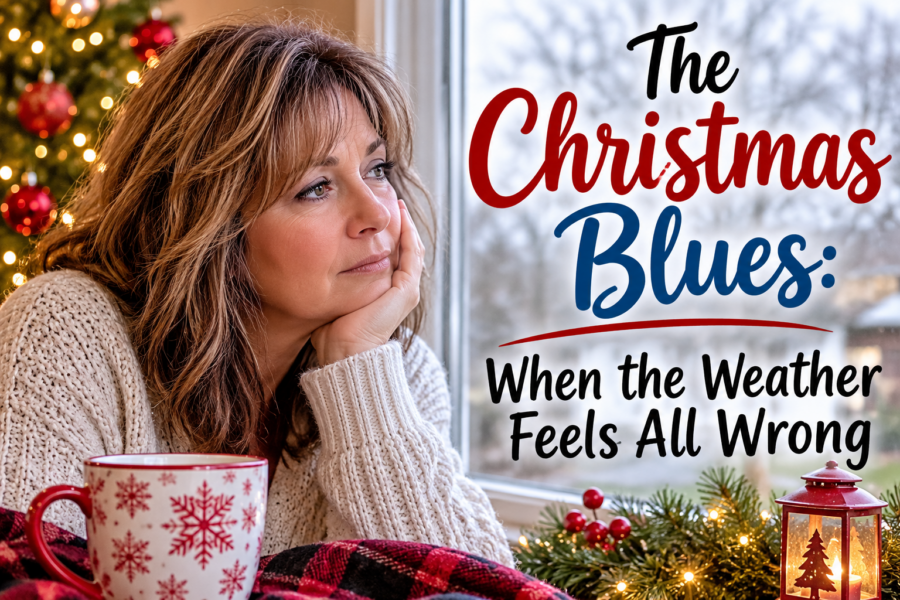
I suspect there are other people who feel the same way. You can dislike snow, complain about the cold and prefer staying inside during the winter months, yet still appreciate the atmosphere that traditionally comes with the Christmas season. For me, it’s not about wanting freezing temperatures or hoping for a snowstorm. It’s about the contrast between the season we’re accustomed to celebrating and what we’re actually experiencing.
There is something about the transition into winter that helps signal the arrival of Christmas. The days get shorter, the evenings feel colder, and the decorations and lights begin to transform neighbourhoods and shopping areas. Even if I don’t particularly enjoy being outside in those temperatures, I recognize that familiar feeling. When November arrives with temperatures around 11°C, it can feel as though we’re missing a piece of the seasonal experience.
I can enjoy a Christmas parade without wanting to freeze while watching it. I can appreciate Christmas lights without wanting to drive through a snowstorm. And I can look forward to the holidays without wishing for months of bitterly cold weather. Perhaps that’s the contradiction. I don’t want winter to be colder, but I do miss some of the atmosphere that traditionally comes with it.
Can Warm Weather Affect Your Mood During the Christmas Season?
It might seem strange to suggest that warmer weather can affect someone’s mood during the holidays. After all, isn’t everyone happy to have a break from freezing temperatures, icy sidewalks and snow-covered driveways? For some people, absolutely. But others genuinely look forward to the seasonal changes that signal Christmas is approaching. Weather is part of how we experience the changing seasons, and when it doesn’t match what we expect, it can leave us feeling a little out of sorts.
There is also a psychological connection between familiar seasonal experiences and our memories. The smell of a Christmas tree, the sight of Christmas lights, the sound of familiar holiday music and the feeling of coming indoors after being out at a winter event can bring back memories of childhood and family traditions. These experiences help create anticipation and excitement. When the weather is unusually mild, some of those familiar winter reminders are missing. Christmas can start to feel like a holiday that has arrived without the season that usually accompanies it.
Of course, everyone responds differently. Someone who dislikes winter might find an unusually warm November uplifting, while someone who enjoys the traditional Christmas atmosphere may feel disappointed. Neither reaction is wrong. Our emotional connection to the weather is personal, and there is no requirement to enjoy a mild winter simply because it makes driving and getting around easier.
Can Lack of Snow Make You Feel Depressed?
This is a question worth exploring because many Canadians associate snow with Christmas, even if they don’t particularly enjoy living with it. Snow can transform an ordinary neighbourhood into something that feels festive. Christmas lights look different against a winter landscape, trees become covered in snow, and familiar streets can take on a completely different appearance. Without those seasonal surroundings, the holiday season can feel less magical.
However, it is important to distinguish between feeling disappointed because the weather doesn’t feel seasonal and experiencing clinical depression. Not having snow doesn’t automatically cause depression, and there isn’t established evidence that a lack of Christmas snow directly triggers a depressive disorder. For some people, though, the absence of familiar seasonal experiences can contribute to disappointment, nostalgia or a sense that something is missing.
When you already deal with depression or anxiety, you may be particularly aware of changes in your emotional state. You might find yourself struggling to feel excited about things you normally enjoy, withdrawing a little more than usual or having difficulty finding motivation. It is worth paying attention to those feelings rather than dismissing them as simply being in a bad mood.
Is It the Weather or Seasonal Affective Disorder?
When people talk about feeling depressed during the winter, Seasonal Affective Disorder (SAD) often enters the conversation. SAD is a form of depression that follows a recurring seasonal pattern. Winter-pattern SAD commonly begins in the fall or early winter and improves during the spring and summer months.
Interestingly, the biggest environmental factor associated with winter-pattern SAD is reduced exposure to daylight, rather than whether the temperature is warm or cold. Shorter days and changes in sunlight exposure can affect the body’s internal clock, sleep patterns and processes involved in regulating mood. Symptoms can include persistent sadness, low energy, sleeping more than usual, difficulty concentrating, loss of interest in activities and withdrawing from other people.
According to the Centre for Addiction and Mental Health (CAMH), changes in sunlight exposure are thought to play an important role in Seasonal Affective Disorder. This means that even if November feels unusually warm, the shorter days and reduced daylight can still affect someone who experiences seasonal depression.
It is also important to understand that not everyone who feels down during the holidays has SAD. Some people experience what is commonly called the winter blues, while others struggle with holiday stress, loneliness, grief, financial pressure or family difficulties. Depression and anxiety can also exist independently of seasonal changes. Understanding the difference can help people recognize when they may need additional support.
Why Don’t I Feel Excited About Christmas Anymore?
Have you ever looked forward to Christmas for weeks, only to find that when the season arrives, you don’t feel particularly excited? You aren’t necessarily alone. There are many reasons people struggle to experience the happiness and anticipation they associate with the holidays. Financial pressures, family responsibilities, grief, loneliness, changes in family traditions and the general demands of preparing for Christmas can all take an emotional toll.
For me, the weather is another part of that picture. I think about what Christmas has traditionally looked and felt like in Ontario. I remember the excitement of seeing Christmas decorations against a winter backdrop and the way the entire atmosphere seemed to change as December approached. When those familiar seasonal experiences are missing, I find it harder to connect with the excitement surrounding the holidays.
Living with depression and anxiety can also make it difficult to enjoy things even when there are plenty of reasons to be happy. Sometimes you know Christmas is approaching, you know you have things to look forward to, and you genuinely want to feel excited, but the feeling just isn’t there. That can be frustrating, especially when it seems everyone around you is caught up in the excitement.
I think we sometimes put too much pressure on ourselves to feel happy simply because it is Christmas. We see advertisements, social media posts and photographs of beautifully decorated homes and families enjoying holiday activities. It can create the impression that everyone else is experiencing a wonderful festive season. The reality is that many people are dealing with difficult emotions behind the scenes.
How to Get Into the Christmas Spirit When You Aren’t Feeling Festive
If the weather isn’t helping you feel festive, it doesn’t mean you have to give up on enjoying Christmas. Sometimes it helps to stop waiting for the perfect seasonal atmosphere and find smaller ways to reconnect with the things you enjoy about the holidays. Put up your decorations, play the Christmas music you grew up listening to, bake something familiar or take an evening drive to look at Christmas lights. These activities won’t necessarily change your mood immediately, but they can give you opportunities to enjoy familiar traditions without putting pressure on yourself to feel a certain way.
Getting outside during daylight hours can also be helpful, even when the weather doesn’t feel particularly seasonal. A little natural daylight, fresh air and gentle movement can support your general well-being. Keeping a regular sleep schedule, maintaining social connections and making time for activities you normally enjoy can also help when you’re experiencing the winter blues.
If you have persistent symptoms of depression, it is worth discussing them with a healthcare professional. People experiencing SAD may benefit from treatments such as light therapy, counselling or medication, depending on their circumstances. Light therapy isn’t suitable for everyone, so it’s best to discuss its use with a healthcare professional first.
Most importantly, don’t feel that you have to force yourself to be cheerful because the calendar says it is Christmas. Some years are harder than others, and that doesn’t mean you’ve lost your appreciation for the holiday season.
It’s Okay to Miss the Christmas Feeling, Even If You Hate Winter
I realize that not everyone shares my feelings about the warmer temperatures. Some people would happily see winter pass without a single snowfall, and I completely understand why. Snow can be beautiful, but it can also mean shovelling, slippery roads, difficult driving conditions and added expenses. There are certainly advantages to a milder November.
Still, I find myself missing something about the Christmas atmosphere. I don’t want months of freezing temperatures, and I certainly don’t want to spend my days outside in the snow. I would much rather be warm and comfortable inside. But I do enjoy getting out to attend Christmas festivals, watch the parade and take in the holiday decorations. I want those experiences to feel like the Christmas season, not like an ordinary fall afternoon with Christmas music playing in the background.
As someone who deals with depression and anxiety, I’ve learned that my emotional well-being deserves attention, even when I can’t put a simple explanation to how I’m feeling. I don’t want to dismiss these feelings or pretend that everything is wonderful just because the holidays are approaching. I also don’t want to let the weather determine whether I enjoy the traditions and moments that matter to me.
Maybe Christmas doesn’t have to feel exactly the same every year. But if you’re looking outside on a warm November day and wondering why you aren’t feeling particularly festive, I hope you know that you’re not alone. Sometimes we aren’t missing winter itself. We’re missing the familiar feelings, memories and atmosphere that have always made Christmas special to us.
How are you feeling about Christmas this year? Does unusually warm weather make it harder for you to get into the holiday spirit, or are you enjoying the milder temperatures? I’d love to hear whether others are feeling the Christmas Blues.