
The Perfect Saree – Your Ultimate Guide to Choosing
10 min read
1947 words
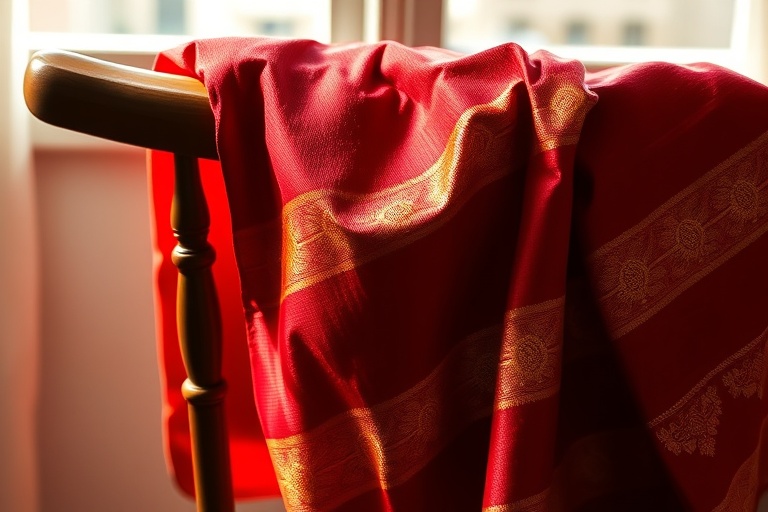
The saree – a timeless garment that embodies grace, elegance, and a rich cultural heritage. If you’re on the hunt for that perfect piece to add to your cherished collection, you’ve come to the right place. Navigating the vast and beautiful world of sarees can feel a little daunting, with an array of fabrics, colours, and designs vying for your attention. But don’t let the sheer choice overwhelm you! This comprehensive guide is designed to be your trusted companion, equipping you with expert insights to select a saree that not only complements your unique style but also perfectly suits any occasion. From understanding the tactile beauty of different fabrics to mastering the art of colour selection, and even exploring the nuances of design and draping, we’re here to empower your next saree purchase.
Unveiling Your Silhouette: Understanding Your Body Type
The journey to finding your ideal saree begins with a deeper understanding of your own beautiful form. Just as different outfits flatter different figures, specific saree styles and fabrics are known to enhance various body types. Knowing your silhouette is the foundational step to making an informed and flattering choice.
- For a Pear-Shaped Figure: If your hips are wider than your bust and shoulders, opt for sarees crafted from lighter, more fluid fabrics. Think delicate chiffons, dreamy georgettes, or airy crepes. These fabrics drape beautifully, creating a flowing silhouette that gracefully skims over curves. They tend to create a softer, more balanced appearance.
- For an Hourglass Figure: If your bust and hip measurements are roughly equal, with a well-defined waist, you’re blessed with an hourglass figure! Heavy, rich fabrics like pure silk, banarasi silk, or opulent Kanjeevaram silk are your best friends. The inherent structure and weight of these materials will elegantly accentuate your natural curves, highlighting your proportionate frame and cinched waist. Look for sarees with a well-defined border, as this further accentuates your silhouette.
- For a Rectangle-Shaped Figure: If your shoulders, waist, and hips are relatively similar in measurement, a rectangle shape offers a wonderful canvas for experimentation. You can create the illusion of curves by choosing sarees that add volume and definition. Consider fabrics with texture, like raw silk or tussar silk, or sarees with elaborate pleating and embellishments. Lehengas or sarees draped with a more voluminous pallu can also be incredibly flattering.
- For an Apple-Shaped Figure: If you tend to carry weight around your midsection, the goal is to draw attention away from this area and highlight your best features, such as your legs or décolletage. Lighter fabrics like georgette or crepe can be excellent choices, creating a smoother drape. Avoid overly stiff fabrics or very heavy embellishments around the waist. Opt for sarees with a striking pallu or a bold border design to draw the eye upwards or downwards. A well-executed Nivi drape or a more modern, structured drape can also be very effective.
The Fabric of Your Dreams: Choosing the Right Material
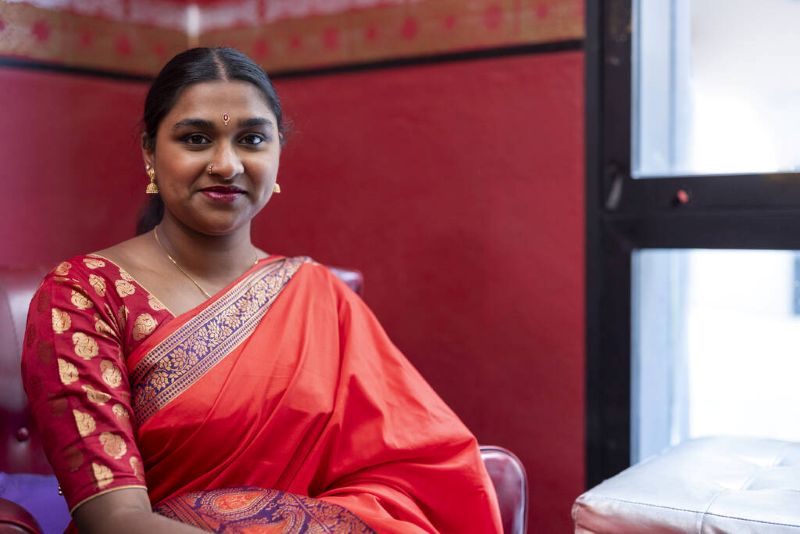
The tactile essence of a saree, its fabric, plays an indispensable role in its overall look, feel, and suitability for an occasion. Each material tells a story and offers a distinct drape.
- Silk Sarees: The Epitome of Elegance: Silk is synonymous with luxury and timelessness. From the regal sheen of Banarasi silk, woven with intricate zari motifs, to the rich drape of Kanjeevaram silk, renowned for its heavy weaves and vibrant colours, silk sarees are a perennial favourite. Paithani silk, with its distinctive peacock and lotus motifs, offers a unique artisanal charm. Pure silk can be worn for virtually any occasion, from formal weddings and religious ceremonies to sophisticated evening gatherings. They offer structure and a beautiful lustre that catches the light.
- Chiffon and Georgette: The Whisper of Summer: For those lighter, breath-taking moments, chiffon and georgette sarees are unparalleled. These sheer, lightweight fabrics drape fluidly, creating a graceful and ethereal look. They are perfect for daytime events, summer parties, or when you desire a more relaxed yet elegant silhouette. Chiffon offers a slightly more crinkled texture, while georgette has a smoother, denser weave. They are wonderfully breathable and comfortable, making them ideal for warmer climates.
- Crepe Sarees: The Smooth Operator: Crepe, whether silk or synthetic, offers a beautifully subtle texture and a lovely drape. It’s less sheer than chiffon or georgette but still lightweight and comfortable. Crepe sarees are versatile, suitable for both casual and semi-formal occasions, and their smooth finish makes them excellent canvases for prints and modern designs.
- Cotton Sarees: The Breathable Beauty: For everyday elegance and comfort, cotton sarees reign supreme. From the crispness of a South Indian Kanjeevaram cotton to the soft handloom weaves of Bengal or the intricate prints of Jaipur, cotton offers unparalleled breathability. They are perfect for daily wear, office events, and casual gatherings, especially in warmer weather. They come in a vast array of weaves, prints, and embellishments, offering endless possibilities.
- Linen Sarees: The Textured Sophistication: Linen sarees offer a unique, slightly textured appeal that exudes understated sophistication. They are incredibly breathable and become softer with each wash, making them ideal for both casual and semi-formal occasions, particularly in warmer months. Their natural sheen and elegant drape make them a chic choice.
- Blended Fabrics: The Best of Both Worlds: Many sarees are crafted from blended fabrics, combining the best properties of different materials. For instance, silk-cotton blends offer the lustre of silk with the comfort of cotton, while art silk provides the look of silk at a more accessible price point. These blends can offer excellent durability and ease of care.
Pro Tip: Always consider the season and the nature of the event. A heavy silk saree might be too warm for a summer afternoon wedding, while a delicate chiffon might not offer the desired structure for a formal evening reception.
Painting Your Canvas: Selecting the Right Colour
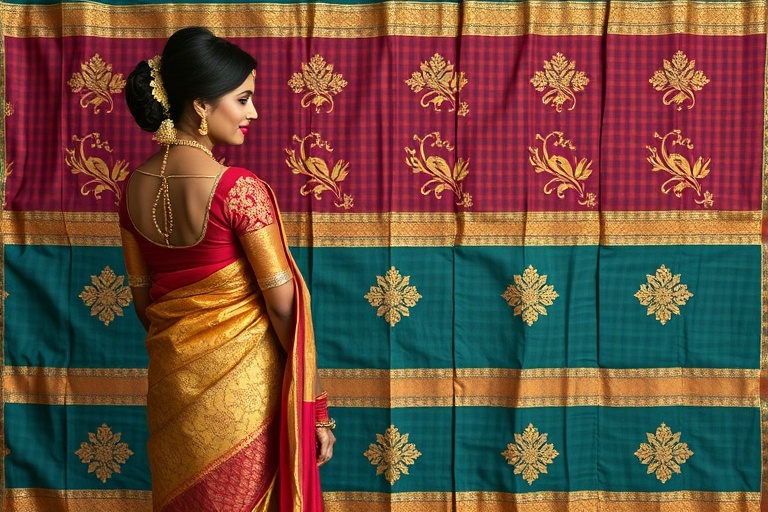
Colour is a powerful tool in a saree’s arsenal, capable of evoking mood, complementing your complexion, and setting the tone for the occasion.
- Daytime Delights: Pastel Hues and Soft Shades: For events held under the sun – think brunches, daytime weddings, or cultural festivals – opt for softer, lighter colours that exude a gentle charm. Shades like baby pink, peach, mint green, sky blue, lavender, and soft yellows create a fresh and radiant look. These colours are also incredibly flattering on a wide range of skin tones.
- Evening Enchantment: Bold and Vibrant Tones: As the sun sets, embrace the drama and allure of richer, more intense colours. Deep reds, royal blues, emerald greens, fuchsia, deep purples, and classic black or navy create a captivating presence. These bold hues add a touch of opulence and sophistication, perfect for evening galas, formal dinners, and festive celebrations.
- The Art of Skin Tone Complementarity: While personal preference reigns supreme, understanding how colours interact with your skin tone can elevate your choice.
- Fair Skin Tones: Often look stunning in pastels, soft blues, pinks, and greens. Jewel tones like sapphire blue, ruby red, and emerald green also provide a beautiful contrast.
- Medium Skin Tones: Can carry off a wide spectrum of colours, from warm earthy tones like terracotta and mustard to vibrant jewel tones and even softer pastels. Peach, coral, and olive green are particularly flattering.
- Dusky or Deep Skin Tones: Shine in rich, deep colours. Colours like burgundy, deep blues, emeralds, and purples will look exceptionally vibrant. Warm colours like gold, bronze, and fiery oranges can also create a stunning effect.
- Considering the Occasion: A wedding might call for auspicious reds or rich jewel tones, while a celebratory puja might favour yellow or saffron. A formal dinner might call for deep, sophisticated hues, whereas a festive gathering could embrace a riot of colours.
The Narrative of Design: Deciding on Embellishments and Motifs
The intricate details of a saree’s design are where its artistry truly shines. From traditional motifs passed down through generations to contemporary artistic expressions, the possibilities are as vast as your imagination.
- Traditional Motifs: A Timeless Appeal: These designs often carry cultural or symbolic significance.
- Zari Work: Intricate weaving with gold or silver threads, commonly seen in Banarasi and Kanjeevaram sarees, adds a luxurious sheen and opulence.
- Embroidery: From delicate floral patterns to elaborate figurative designs, embroidery adds texture and dimension. Work like Chikankari from Lucknow, Phulkari from Punjab, or Kashmiri embroidery offers unique regional artistry.
- Weaving Techniques: The weave itself can be a design element. Think of the geometric patterns of Ikat, the temple motifs of Kanjeevaram, or the intricate animal and floral designs of Paithani.
- Contemporary Prints and Patterns: Modern Flair: For those who love a modern aesthetic, a plethora of printed and patterned sarees are available.
- Floral Prints: Can range from delicate and subtle to bold and vibrant.
- Geometric Patterns: Offer a clean, modern, and graphic look.
- Abstract Designs: Allow for artistic expression and unique visual appeal.
- Digital Prints: Offer incredible detail and a vast range of colour possibilities.
- The Spectrum of Embellishments:
- Minimalist Chic: If understated elegance is your mantra, choose sarees with minimal embellishments – perhaps a subtle border, a tasteful weave, or a delicate scattered motif.
- Statement Makers: For those who love to turn heads, opt for sarees with bold, intricate designs, heavy embroidery, sequin work, mirror work, or dramatic borders. These sarees are designed to make a grand statement.
A Word on Contrast: The interplay of colour between the saree body, border, and pallu can significantly impact the overall design. A contrasting border can create a striking visual frame, while a tone-on-tone design offers a more subtle, harmonious look.
The Art of Presentation: Choosing the Draping Style
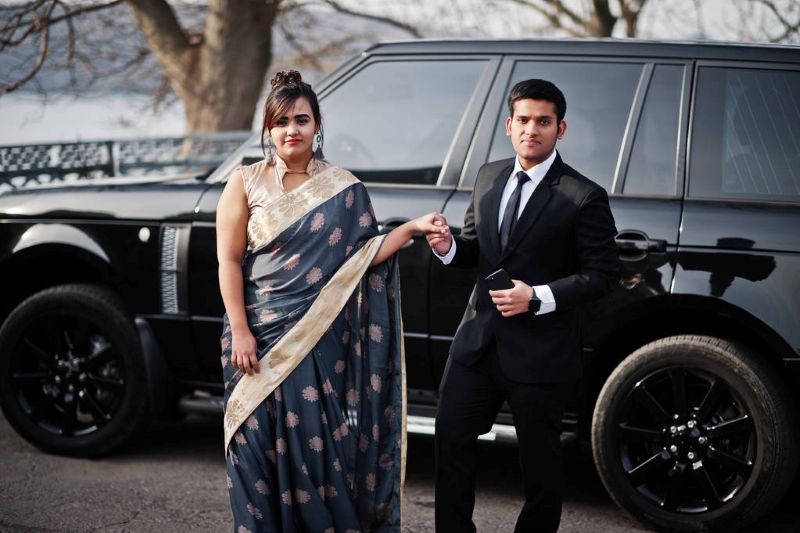
The way a saree is draped can transform its entire aesthetic, making it a dynamic and versatile garment. Experimenting with different draping styles allows you to express your personality and adapt the saree to various occasions.
- The Classic Nivi Drape: This is the most common and widely recognized style in India. It features pleats tucked into a petticoat at the waist, with the pallu elegantly draped over the shoulder. It’s universally flattering and suits most body types and occasions.
- Modern Fusion Drapes: In recent years, designers and fashion enthusiasts have introduced numerous contemporary draping styles. These can include:
- Pant Style Draping: Where the pleats are tucked into trousers or leggings, offering a modern, Indo-Western fusion look.
- Belted Sarees: Using a stylish belt to cinch the waist over the pallu, adding structure and a contemporary flair.
- Dhoti Style Draping: Mimicking the look of a dhoti for a unique and bold statement.
- Mermaid Drape: A more fitted drape that flares out at the bottom, accentuating curves.
- Regional Drapes: India boasts a rich tapestry of regional draping styles, each with its unique charm and history. Examples include the Bengali drape, the Gujarati (seedha pallu) drape, the Maharashtrian nauvari (nine-yard) drape, and the Coorgi drape. Exploring these can add a layer of cultural appreciation to your saree journey.
Key Considerations: When choosing a drape, prioritise comfort. You want to feel confident and at ease throughout the event. Consider the fabric’s weight and stiffness; some drapes work better with certain materials. Don’t be afraid to experiment in front of a mirror and see what feels and looks best for you.
Your Saree, Your Statement: Conclusion
Choosing the perfect saree is a delightful blend of personal taste, understanding your body’s unique shape, appreciating the nuances of fabric and colour, and expressing yourself through design and drape. By thoughtfully considering these elements and embracing the insights shared in this guide, you’re well-equipped to find a saree that not only looks breathtaking but also makes you feel utterly confident and comfortable. Remember, the most beautiful saree is ultimately the one that resonates with your personal style, amplifies your inner radiance, and makes you shine brightly at every occasion. Happy saree hunting!





TheY are beautiful,thanks for the tips !