Pet Insurance Explained: What Every Pet Owner Should Know
4 min read
727 words
Pets are more than just animals; they are cherished members of the family. Whether you share your home with a playful puppy, a curious kitten, or a senior companion, unexpected veterinary expenses can become a source of significant stress. Pet insurance can help protect your finances while ensuring your pet receives the care they need.
Getting Pet Insurance means understanding what policies cover, what they exclude, and how to choose the right plan for your furry friend. Whether you have a dog, cat, or another beloved companion, knowing your options can help you prepare for unexpected healthcare costs.
What Is Pet Insurance?

Pet insurance is a health coverage plan designed to help pet owners manage veterinary expenses. Similar to human health insurance, you pay a monthly premium, and the insurance company helps reimburse eligible veterinary costs according to the terms of your policy.
Coverage varies by provider and plan, but many policies may help with:
- Emergency veterinary visits
- Accidents and injuries
- Illness treatments
- Surgery and diagnostic testing
- Prescription medications and specialist care
How Does Pet Insurance Work?
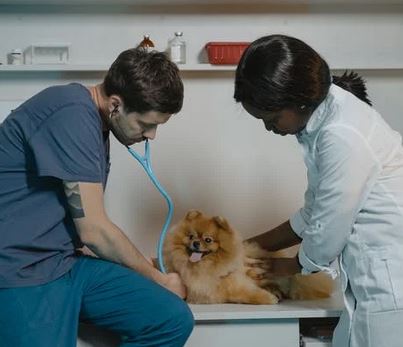
Understanding how pet insurance works is simpler than it may seem. Most plans operate on a reimbursement model:
- You take your pet to a licensed veterinarian.
- You pay the veterinary bill at the time of service.
- You submit a claim with your itemized receipt to your insurance provider.
- If the treatment is covered, you receive reimbursement based on your deductible and reimbursement percentage.
Unlike some human health insurance plans, many pet insurance companies do not pay the veterinarian directly. This means pet owners usually need to cover the upfront cost before receiving reimbursement.
What Does Pet Insurance Cover?
Pet insurance coverage typically falls into three main categories:
Accident Coverage
This type of coverage helps with unexpected injuries, including broken bones, cuts, accidental poisoning, and foreign object ingestion.
Accident and Illness Coverage
This is one of the most popular options for pet insurance for dogs and cats. It may cover accidents along with illnesses such as infections, allergies, chronic conditions, and certain cancer treatments.
Wellness Coverage
Some companies offer optional wellness plans that help with routine care, such as annual checkups, vaccinations, dental cleanings, and parasite prevention.
Exclusions to Watch For
Before choosing a policy, it is important to understand what may not be covered. Many plans exclude:
- Pre-existing conditions
- Cosmetic procedures
- Breeding-related care
- Certain routine expenses
- Treatments received during waiting periods
Always read the policy details carefully so you understand what is included before enrolling.
Is Pet Insurance Worth It?
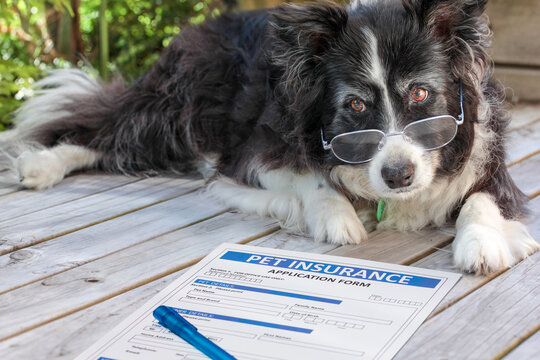
Many pet owners ask, “Is pet insurance worth it?” The answer depends on your pet’s age, breed, health history, and your financial situation.
For some families, pet insurance provides peace of mind by helping manage unexpected expenses. A sudden illness, surgery, or emergency visit can cost hundreds or thousands of dollars, and having coverage may make difficult decisions easier.
If your pet’s breed is known for certain hereditary or chronic health concerns, insurance may be worth considering. However, some owners prefer setting aside savings specifically for veterinary expenses instead.
How to Choose the Best Pet Insurance Options
When comparing the best pet insurance options, do not focus only on the monthly cost. Consider the overall value and level of protection offered.
- Coverage limits: Does the policy have annual or lifetime payout limits?
- Deductibles: How much will you pay before reimbursement begins?
- Reimbursement percentage: Will the company cover 70%, 80%, or 90% of eligible costs?
- Waiting periods: How long before coverage starts?
- Exclusions: Are there conditions or treatments that are not included?
Tips for Managing Pet Healthcare Costs
Even with insurance, responsible pet ownership includes preventive care. Regular veterinary visits, a healthy diet, proper exercise, and staying current on vaccinations can help support your pet’s overall health.
Creating a small emergency savings fund alongside your insurance policy can also help cover deductibles, medications, or expenses that are not included in your plan.
Closing Thoughts: Understanding Pet Insurance

Understanding Pet Insurance does not have to be overwhelming. While insurance may not be the right choice for every household, knowing how coverage works allows you to make an informed decision about your pet’s future care.
Your pet depends on you for protection, comfort, and support. By planning ahead and understanding your options, you can focus less on unexpected costs and more on enjoying a long, happy, and healthy life with your companion.