
Heat Exhaustion vs Heat Stroke: Symptoms & What to Do
7 min read
1201 words
During an Ontario heat wave, an Orange Heat Warning means dangerous heat and humidity conditions are affecting the region. These alerts signal a significant increase in the risk of heat-related illness, especially for seniors, individuals with chronic health conditions, and anyone exposed to prolonged outdoor heat. What begins as an uncomfortably hot summer day can quickly turn dangerous. Heat-related illness can escalate in minutes when the body’s cooling system becomes overwhelmed, leading to serious and potentially life-threatening conditions. Understanding the critical difference between heat exhaustion and heat stroke is not just informative, but a vital life-saving skill. Knowing the symptoms and correct first aid steps can make the difference between recovery and a medical emergency.
Quick Guide:
Heat Exhaustion
Heavy sweating, cool or pale skin, weakness, dizziness, nausea. Treat with rest, fluids, and cooling immediately.
Heat Stroke
High body temperature, hot and dry skin (or no sweating), confusion, slurred speech, seizures. This is a medical emergency. Call 911 immediately.
What Is Heat Exhaustion?
Heat exhaustion is a serious heat-related condition caused by the body overheating, typically after prolonged exposure to high temperatures, humidity, or physical exertion. It occurs when the body temperature rises to approximately 38–40°C (100–104°F) and the body begins losing water and essential salts through heavy sweating.
At this stage, the body is still attempting to regulate temperature, but it is under significant strain. The key takeaway: heat exhaustion is reversible if treated quickly with proper cooling and hydration. However, without intervention, it can rapidly progress to heat stroke.
Common Causes:
- Hot and humid weather
- Dehydration or insufficient fluid intake
- Strenuous physical activity in heat
- Lack of acclimatization to warm temperatures
Symptoms of Heat Exhaustion
Recognizing early warning signs is critical for prevention and recovery. Look for:
- Heavy sweating with clammy skin
- Weakness or extreme fatigue
- Dizziness or lightheadedness
- Nausea or vomiting
- Headache
- Muscle cramps
- Pale, cool, or flushed skin
- Rapid, weak pulse
- Strong thirst
Important: This is the body’s warning stage. Immediate action is required to prevent escalation.
What Is Heat Stroke?
Heat stroke is a life-threatening medical emergency that occurs when the body’s temperature regulation system fails completely. Core body temperature rises above 40°C (104°F), and the body can no longer cool itself effectively.
At this stage, sweating may stop entirely, and internal organs—including the brain—begin to overheat. Without immediate emergency treatment, heat stroke can result in permanent disability or death.
Symptoms of Heat Stroke (Emergency Signs)
- Extremely high body temperature (often above 39.4°C / 103°F)
- Hot, dry skin OR absence of sweating
- Confusion, slurred speech, or agitation
- Loss of coordination or staggering
- Seizures or tremors
- Fainting or loss of consciousness
- Rapid breathing or strong pulse
- Severe throbbing headache
EMERGENCY: If any of these symptoms appear, call 911 immediately. Do not wait or attempt to “cool off naturally.”
Heat Exhaustion vs Heat Stroke: Key Differences
| Feature | Heat Exhaustion | Heat Stroke |
|---|---|---|
| Body Temperature | Elevated but controlled (up to 40°C) | Dangerously high (40°C+) |
| Skin | Cool, pale, clammy | Hot, dry OR no sweating |
| Sweating | Heavy sweating present | Often absent |
| Mental State | Alert but weak or dizzy | Confusion, delirium, or unconsciousness |
| Severity | Reversible with treatment | Medical emergency |
| Onset | Gradual over time | Can develop rapidly |
What To Do If Someone Has Heat Exhaustion
- Move them to a cool or shaded area immediately
- Loosen or remove excess clothing
- Cool the body using damp cloths, fans, or a cool shower
- Give cool water or electrolyte drinks if conscious and not vomiting
- Rest and monitor symptoms for 30–60 minutes
- Seek medical help if symptoms worsen or persist
What To Do If Someone Has Heat Stroke (Emergency)
- Call 911 immediately and state suspected heat stroke
- Move the person to a cooler environment
- Begin rapid cooling:
- Apply cool water to skin or immerse if possible
- Use fans or airflow to increase cooling
- Apply ice packs to neck, armpits, and groin
- Do NOT give fluids if unconscious, confused, or vomiting
- Stay with the person until emergency help arrives
Certain people are more vulnerable to heat-related illness because their bodies cannot regulate temperature as effectively or because underlying health conditions increase strain on the heart and lungs.
Higher-risk groups include:
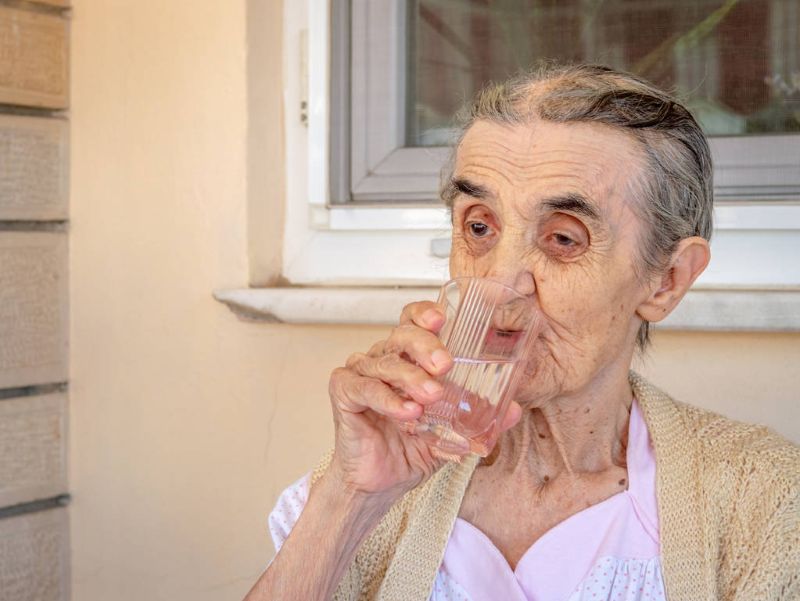
- Elderly adults – Reduced ability to regulate body temperature and may not feel thirst as strongly.
- Infants and young children – Less efficient temperature control and higher dehydration risk.
- People with chronic illnesses (e.g., heart disease, diabetes, kidney disease) – Heat places extra strain on vital organs.
- People with breathing or respiratory conditions (e.g., asthma, COPD) – Heat and humidity can worsen breathing difficulties.
- Outdoor workers and athletes – Prolonged exposure and intense activity increase risk.
- Individuals without access to air conditioning, shade, or adequate hydration.
These groups should take extra precautions during heat warnings, such as Ontario’s Orange or Red Extreme Heat Warnings.
Prevention Tips for Summer Safety
Prevention is always the best medicine. Stay safe during extreme heat warnings with these tips:
- Stay Hydrated: Drink plenty of water throughout the day, even if you don’t feel thirsty. Avoid alcohol and caffeine.
- Avoid Peak Heat: Stay indoors during the hottest part of the day, typically 11 a.m. to 4 p.m.
- Dress Smart: Wear lightweight, loose-fitting, light-colored clothing.
- Take Breaks: Rest in the shade or air conditioning regularly.
- Monitor Alerts: Pay attention to local weather and health alerts (e.g., Ontario’s heat warning system).
- Never Leave Anyone in a Parked Vehicle: Temperatures inside a car can become fatal within minutes.
- Check on Vulnerable Neighbors: Especially the elderly and those living alone.
When to Seek Medical Help
Always seek medical help if:
- You see signs of confusion, collapse, or loss of consciousness (possible heat stroke).
- Symptoms of heat exhaustion are not improving quickly with first aid.
- You suspect heat stroke in any individual.
- The affected person has a pre-existing medical condition.

Frequently Asked Questions (FAQ)
Q: Can heat exhaustion turn into heat stroke?
Yes. Without treatment, heat exhaustion can quickly progress into heat stroke.
Q: How fast can heat stroke happen?
It can develop within minutes to a few hours depending on heat, humidity, and activity level.
Q: What is the biggest difference between heat exhaustion and heat stroke?
Sweating and alertness occur in heat exhaustion, while heat stroke often involves no sweating and confusion or unconsciousness.
Q: Are Ontario heat warnings serious?
Yes. Orange and Red Heat Warnings indicate dangerous conditions, especially for vulnerable populations.
Q: Who is most at risk?
Seniors, children, people with heart or breathing conditions, outdoor workers, and those without cooling access are most at risk.
Conclusion
Heat-related illness is preventable, but it becomes dangerous quickly if warning signs are missed. Heat exhaustion is the body’s alert system. Heat stroke is a medical emergency. During an Ontario heat wave or extreme heat event, preparation can save lives. You can also read A Guide to Caring for Others During a Heatwave for more detailed tips on supporting elderly individuals, children, and those at higher risk.
This article is for informational and educational purposes only and is not a substitute for professional medical advice, diagnosis, or treatment. Always seek immediate assistance from a qualified healthcare professional or call emergency services (911 in Canada) if you suspect heat stroke or any other medical emergency. Do not delay seeking professional care based on the information provided in this article.