Needle vs. Piercing Gun: Which Is Better for Ear Piercing?
24 min read
4633 words
Getting your first ear piercing is an exciting milestone, but it also comes with an important decision: how you want your ears pierced. Walk into a jewelry retailer like Claire’s, and you’ll typically find a modern ear piercing system designed for standard earlobe piercings. Visit a professional body piercing studio, and you’ll usually find a trained piercer using a sterile, single-use hollow needle. Choosing between a Needle vs. Piercing Gun method is not simply about personal preference. The piercing technique you choose can influence the experience, jewelry options, placement, and healing process. However, one of the most important factors is often overlooked: the training and experience of the person performing the piercing.
In this guide, we’ll compare both methods, including:
- Safety
- Pain
- Tissue damage
- Healing time
- Jewelry options
- Professional recommendations
- Ear piercing for children
- How to choose a qualified piercer
Before selecting your starter jewelry, you may also want to read our guide on Best Size for a First Earlobe Piercing: A Complete Guide.
What Is a Piercing Gun?
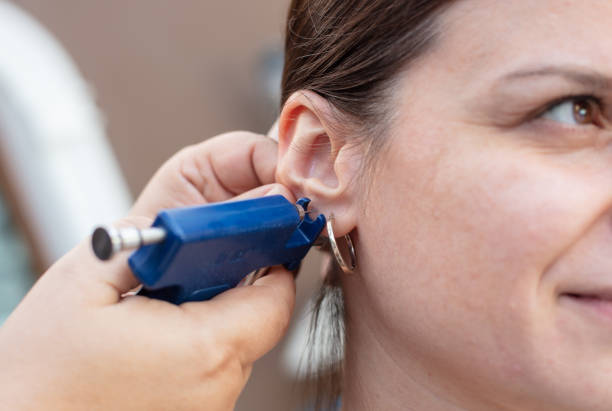
How a Piercing Gun Works
During the procedure:
- The earlobe is positioned inside the piercing instrument.
- The trigger releases the mechanism.
- The starter earring quickly passes through the earlobe and locks into the backing.
The process takes only a few seconds, which is one reason many people choose this method, especially for a child’s first ear piercing.
Where Piercing Guns Are Commonly Used
Ear piercing systems are often found at:
- Claire’s
- Jewelry stores
- Department stores offering ear piercing services
- Some salons
These systems are generally intended for soft earlobe piercings only.
Jewelry Used With Piercing Guns
Piercing systems use specially designed starter earrings that fit the device.
The advantages are convenience and simplicity, but jewelry choices are usually more limited compared with professional piercing studios.
Professional studios typically offer a wider selection of starter jewelry, including implant-grade titanium, niobium, and solid gold options in different sizes and styles.
Advantages of a Piercing Gun
While many professional body piercers prefer needles, piercing guns remain a popular choice for standard earlobe piercings.
Modern ear piercing systems have several advantages:
Quick Procedure
The piercing itself takes only seconds, which can be helpful for children or people who feel nervous about the process.
Convenient Locations
Retail piercing services are widely available and may not require a separate appointment.
For many families, the convenience of getting earrings and piercing services in one location is appealing.
Less Intimidating for Some People
Some people feel more comfortable with an ear piercing system because the process looks familiar and does not involve seeing a traditional piercing needle.
Pre-Sterilized Components
Many modern systems use individually packaged, disposable cartridges designed for single use.
This helps reduce the risk of contamination when proper hygiene procedures are followed.
Starter Earrings Included
The earrings used during the procedure are designed to remain in place during the initial healing period.
Suitable for Standard Earlobe Piercings
When performed correctly by trained staff using proper hygiene practices, modern ear piercing systems can be an option for uncomplicated earlobe piercings.
Risks and Limitations of a Piercing Gun
Although many people successfully heal after a piercing gun procedure, there are some limitations to consider.
Not Recommended for Cartilage
Most professional piercers do not recommend using piercing guns on cartilage.
Cartilage is much firmer than the earlobe, and the force required to push jewelry through the tissue may increase the chance of complications.
Professional studios generally use sterile, single-use needles for cartilage piercings because they allow for greater control and precision.
Less Control Over Placement
A piercing needle allows the piercer to carefully control:
- Angle
- Placement
- Depth
- Jewelry positioning
Limited Jewelry Selection
With piercing systems, you are usually limited to earrings designed specifically for that device.
Professional piercing studios typically provide more choices in:
- Metal type
- Jewelry style
- Length
- Size
Possible Increased Initial Swelling
A piercing gun inserts the starter earring using pressure. Some people experience more tenderness, swelling, or soreness afterward.
However, healing varies from person to person and depends on many factors, including aftercare and jewelry quality.
Training Can Vary
The experience depends heavily on the person performing the piercing.
A clean location and sterile equipment are important, but proper placement also requires knowledge, experience, and training.
Bottom Line: Are Piercing Guns Safe?
A modern ear piercing system can be a convenient option for standard earlobe piercings when used correctly with sterile, single-use components by trained staff.
However, many professional body piercers recommend sterile, single-use needles because they provide:
- Greater precision
- More jewelry options
- More control over placement
- Compatibility with both earlobes and cartilage
The method matters, but the person performing the piercing matters too.
A properly trained professional using the right equipment and following good hygiene practices is one of the most important factors in achieving a successful piercing.
What Is a Piercing Needle?
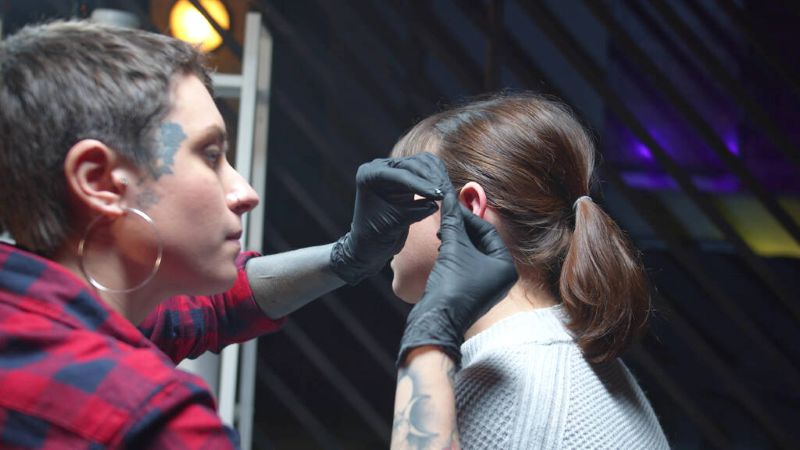
Now that we have explored how piercing guns work, it is important to understand the other option in the Needle vs. Piercing Gun debate: professional ear piercing with a sterile, single-use needle.
Professional body piercers typically use a sterile, single-use hollow needle specifically designed for body piercing. Each needle is individually packaged, sterilized, and discarded after one use, helping maintain a hygienic piercing environment.
How a Piercing Needle Works
A hollow piercing needle creates a precise opening for the jewelry to pass through. Once the opening is made, the piercer immediately inserts the starter jewelry.
Because each needle is used only once, there is no need to sterilize the needle between clients.
Why Many Professional Piercers Choose Needles
Professional piercing studios often use needles because they offer several advantages, including:
- Precise jewelry placement
- Greater control over piercing angle and depth
- A wider selection of starter jewelry styles and sizes
- Compatibility with implant-grade titanium, niobium, and solid gold jewelry
- Suitable for both earlobes and cartilage piercings
- Individually sterilized, single-use equipment
Needle vs. Piercing Gun: Safety, Pain, Healing, and Jewelry Options
| Feature | Needle | Piercing Gun |
|---|---|---|
| Best For | Earlobes and cartilage | Earlobes only |
| Sterility | Single-use sterile needle | Varies by system; many modern systems use disposable cartridges |
| Jewelry Choices | Wide selection of professional-grade jewelry | Limited to compatible starter earrings |
| Placement Precision | Excellent control over angle and placement | Less customizable |
| Tissue Trauma | Designed to create a precise opening | May create more initial tissue compression |
| Healing | Depends on jewelry, aftercare, and individual healing | Depends on jewelry, aftercare, and individual healing |
| Performed By | Professional body piercers | Jewelry retailers, salons, and trained piercing staff |
Why Choosing the Right Piercer Matters
When comparing a needle vs piercing gun, it is easy to focus only on the equipment. However, the experience, training, and attention to detail of the person performing the piercing may be just as important as the method itself.
A sterile tool does not automatically guarantee a successful piercing. Proper placement requires knowledge of ear anatomy, experience marking placement, understanding jewelry sizing, and knowing how to guide clients through aftercare.
My Experience Choosing a Piercer for My Daughter
When my teenage daughter decided to get her ears pierced, we chose a local salon that used a sterile, single-use needle. Although the salon did not use a piercing gun, the person performing the piercing was not a professionally trained body piercer.
Unfortunately, mistakes were made with the placement, and the experience was not what we had hoped for.
Looking back, I wish I had spent more time researching the provider rather than simply choosing the most convenient location.
This experience taught me an important lesson: the method matters, but the person performing the piercing matters just as much.
Questions to Ask Before Getting Your Ears Pierced
Before booking an appointment, consider asking:
- Is the person performing the piercing professionally trained?
- How much experience do they have with ear piercings?
- How often do they perform piercings?
- What type of starter jewelry do they use?
- Do they carefully mark the placement before piercing?
- Will they show you the placement and get your approval first?
- What sterilization procedures do they follow?
- Will they provide detailed aftercare instructions?
An experienced piercer will usually take time to discuss placement, explain the process, recommend appropriate jewelry, and make sure you feel comfortable before beginning.
Tissue Damage: Why It Matters
One of the biggest differences in the needle vs piercing gun debate is how each method creates the opening for the jewelry.
A hollow piercing needle is designed specifically for body piercing. It creates a precise opening that allows jewelry to pass through while minimizing unnecessary disruption to surrounding tissue.
Many professional piercers believe this approach can help reduce initial irritation, swelling, and tenderness for some people.
A piercing gun uses a spring-loaded mechanism to quickly insert a pointed starter earring through the earlobe. While many people heal successfully after a gun piercing, the force used to insert the jewelry may create more initial tissue compression.
This can result in increased soreness or swelling during the first few days for some individuals.
Everyone heals differently. Factors such as jewelry quality, placement, aftercare, and individual healing ability often have a significant impact on the final result.
Does a Needle or Piercing Gun Hurt More?
One of the biggest questions people ask when comparing Needle vs. Piercing Gun methods is: Which one hurts more, a needle or a piercing gun?
The answer is that pain is highly individual. Your pain tolerance, anxiety level, comfort with the provider, and the experience of the person performing the piercing can all influence how the appointment feels.
Needle Piercing
A professional needle piercing is often described as:
- A quick pinch or sharp sensation that lasts only a moment
- A very fast procedure when performed by an experienced piercer
- Less intimidating than many people expect
Many people appreciate that a professional piercer takes time to explain the process and make sure the client feels comfortable before beginning.
Piercing Gun
A piercing gun or modern ear piercing system is also very quick.
Some people describe the sensation as:
- A brief pinch followed by pressure
- A stronger sensation because the jewelry is inserted using spring force
- More surprising because of the sudden movement and sound
Which One Hurts Less?
There is no universal answer. Some people find a needle piercing easier because it feels controlled and precise, while others prefer the speed and simplicity of an ear piercing system.
Pain is highly individual, and many people find either method very tolerable. Anxiety before the appointment often has a greater impact on the overall experience than the piercing method itself.
Needle vs. Piercing Gun: Side-by-Side Comparison
Choosing between a needle and a piercing gun often comes down to understanding how each method works, what type of jewelry is available, and how your ears may respond during the healing process.
| Feature | Needle | Piercing Gun / Ear Piercing System |
|---|---|---|
| Best For | Earlobes and cartilage piercings | Standard earlobe piercings only |
| Sterility | Single-use sterile hollow needle | Modern systems typically use pre-sterilized, single-use cartridges |
| Jewelry Options | Wide selection of implant-grade titanium, gold, and other professional jewelry | Limited to compatible starter earrings designed for the system |
| Placement Precision | Excellent control over angle and placement | Less customizable |
| Tissue Trauma | Creates a precise opening with less disruption to surrounding tissue | Uses pressure to insert the jewelry, which may cause more initial compression |
| Healing | Often preferred by professional piercers because of precision and jewelry options | Healing depends on aftercare, jewelry quality, and individual healing |
| Performed By | Professional body piercers | Jewelry retailers, salons, and some ear piercing providers |
Tissue Damage: Why It Matters
One of the biggest differences in the needle vs. piercing gun debate is how each method creates the opening for the jewelry.
A professional piercing needle is a sterile, hollow needle designed specifically for body piercing. It creates a clean, precise opening that allows the jewelry to pass through. Many professional piercers prefer this method because it gives them more control and may result in less initial irritation for some people.
A piercing gun or modern ear piercing system works differently. Instead of creating an opening with a hollow needle, the starter earring is pushed through the earlobe using spring pressure. Many people heal successfully with this method, but the process may cause more initial pressure or swelling because the jewelry itself creates the opening.
Every person heals differently. Jewelry quality, placement, aftercare, and the experience of the person performing the piercing all play an important role in the final result.
Does a Needle or Piercing Gun Hurt More?
One of the most common questions people ask before getting their ears pierced is: Does a needle hurt more than a piercing gun?
The truth is that pain is highly individual. Your pain tolerance, anxiety level, the skill of the piercer, and how comfortable you feel during the appointment can all influence your experience.
Needle Piercing
A professional needle piercing is often described as:
- A quick pinch or sharp sensation that lasts only a moment.
- A very fast procedure when performed by an experienced piercer.
- A more controlled experience because the piercer explains each step.
Many people are surprised by how quick and manageable a professional needle piercing feels.
Piercing Gun
A piercing gun or modern ear piercing system is also very fast. Some people describe the sensation as:
- A quick pinch followed by pressure.
- A stronger sensation because the jewelry is inserted using spring force.
- A sudden feeling due to the movement and sound of the device.
Which One Hurts Less?
There is no universal answer. Some people prefer a needle because the process feels controlled and precise, while others like the speed and simplicity of an ear piercing system.
Pain is highly individual, and many people find either method very tolerable. In many cases, feeling calm and choosing an experienced provider has a greater impact on the overall experience than the piercing method itself.
Healing Time: Needle vs. Piercing Gun
No matter which method you choose, proper aftercare, jewelry quality, and your body’s natural healing process have the biggest impact on recovery.
Needle Piercings
Many professional piercers prefer needle piercings because they allow for precise placement and a wider selection of high-quality starter jewelry, such as implant-grade titanium.
Because the opening is carefully created and jewelry can be customized for the individual, many people experience a comfortable healing process with less initial irritation.
Piercing Gun Piercings
Many people also heal successfully after having their ears pierced with modern ear piercing systems when the procedure is performed correctly and proper aftercare is followed.
Some people may experience more initial tenderness or swelling because the starter earring creates the opening through pressure. However, healing varies greatly depending on the person, jewelry, placement, and aftercare routine.
How Long Does an Earlobe Piercing Take to Heal?
A typical earlobe piercing usually takes about 6 to 8 weeks to heal enough for an initial jewelry change. However, the inside of the piercing continues to strengthen for several months.
Many professional piercers recommend keeping quality earrings in consistently for at least six months and avoiding heavy earrings until the piercing has fully matured.
Cartilage piercings take much longer and may require 6 to 12 months or longer to fully heal.
The best ways to support healing include:
- Wash your hands before touching your earrings.
- Follow your piercer’s aftercare instructions.
- Avoid twisting or spinning jewelry.
- Choose high-quality starter jewelry.
- Avoid changing earrings too frequently during early healing.
Why Choosing the Right Piercer Matters
When deciding between a needle and a piercing gun, the method is important, but the experience and training of the person performing the piercing may be just as important.
Many people focus only on whether a needle or piercing system is used, but proper placement, hygiene, jewelry selection, and aftercare guidance can make a major difference in the final result.
For many families, a child’s first ear piercing happens at a jewelry store, salon, or professional piercing studio. Before booking an appointment, take time to research who will actually be performing the piercing.
My Daughter’s Ear Piercing Experience
When my teenage daughter decided to get her ears pierced, we chose a local salon that used a sterile, single-use needle. While using a needle was a positive step, I later realized that the person performing the piercing was not a professionally trained body piercer.
Unfortunately, mistakes were made with the placement, and the experience was not what we had hoped for. The issue was not the needle itself; it was the lack of professional piercing experience and expertise.
Looking back, I wish I had spent more time researching the provider rather than choosing the most convenient location. A sterile tool does not replace proper training, knowledge of ear anatomy, and experience with placement.
This experience taught me an important lesson: before choosing where to get pierced, research the person doing the piercing.
Questions to Ask Before Getting Your Ears Pierced
Whether you are choosing a professional piercing studio or another ear piercing provider, ask these questions before your appointment:
- Is the person performing the piercing professionally trained and experienced?
- How often do they perform ear piercings?
- Do they specialize in working with children, teens, or first-time clients?
- What type of jewelry do they use for initial piercings?
- Do they carefully mark the placement and let you approve it before piercing?
- What sterilization and hygiene procedures do they follow?
- Will they provide written aftercare instructions?
- Are they willing to answer questions before starting?
An experienced professional piercer will usually take time before the procedure to discuss placement, explain the process, recommend appropriate starter jewelry, and make sure you feel comfortable before beginning.
Are Piercing Guns Safe for Children?
Many parents wonder whether a piercing gun is the best choice for a child’s first ear piercing. The answer depends on the provider, the equipment being used, and the level of training of the person performing the procedure.
Retailers such as Claire’s offer ear piercing services designed specifically for standard earlobe piercings using modern ear piercing systems with pre-sterilized, single-use cartridges. These systems are different from older reusable piercing guns that raised concerns about cleaning and cross-contamination.
However, convenience should not be the only factor when choosing where your child’s ears will be pierced.
Important Things Parents Should Consider
- Training and experience: Ask who will perform the piercing and what training they have received.
- Placement: Proper marking and checking the placement before piercing is essential.
- Jewelry quality: Look for hypoallergenic options such as implant-grade titanium, niobium, or quality gold when available.
- Aftercare: Children need to understand how to care for their new piercings and avoid unnecessary touching.
- Comfort level: Choose a provider who is patient and experienced with children.
Many professional piercing studios also offer children’s ear piercings using sterile, single-use needles. Parents who choose this option often appreciate the ability to select professional-quality jewelry and work with someone who specializes in piercing.
Professional Recommendations: Why Many Piercers Prefer Needles
Many professional body piercers recommend sterile, single-use needles because they are specifically designed for body piercing and provide greater control during the procedure.
Professional studios often choose needles because they allow for:
- More precise placement.
- Greater control over angle and depth.
- A wider range of starter jewelry options.
- Use of implant-grade titanium, niobium, and solid gold jewelry.
- The ability to perform both earlobe and cartilage piercings.
This does not mean every piercing performed with a modern ear piercing system will have problems. Many people have successful earlobe piercings using these systems. However, professional piercers often prefer needles because they offer more customization, precision, and flexibility.
Aftercare Tips for Healthy Healing
Regardless of whether you choose a needle or piercing system, aftercare is one of the most important parts of the healing process.
- Wash your hands before touching your piercing.
- Clean your piercing as recommended by your piercer.
- Avoid twisting or spinning your earrings.
- Do not remove jewelry too early.
- Avoid sleeping directly on a fresh piercing if it causes irritation.
- Avoid swimming in pools, lakes, or hot tubs until your piercing has healed properly.
- Watch for signs of infection, including increasing redness, swelling, heat, pain, or unusual discharge.
If you have concerns about healing, contact your piercer for advice rather than forcing jewelry back into a piercing that has started to tighten.
Frequently Asked Questions About Needle vs. Piercing Gun
Is a needle safer than a piercing gun?
Both methods can be safe when performed by a trained provider using proper hygiene practices. However, many professional body piercers prefer sterile, single-use hollow needles because they are specifically designed for body piercing, allow precise placement, and provide more flexibility with jewelry selection.
The most important factors are choosing an experienced provider, using quality jewelry, following proper hygiene practices, and completing aftercare correctly.
Does Claire’s use a piercing gun?
Claire’s uses a modern ear piercing system rather than the older style reusable piercing guns many people remember. Their system uses pre-sterilized, single-use cartridges that contain the starter earring and backing.
The system is designed for standard earlobe piercings. Parents and adults should still research the provider, ask questions, and make sure they are comfortable with the process before getting pierced.
Can adults get their ears pierced with a needle?
Yes. Many adults choose to have their ears pierced at professional piercing studios using sterile, single-use needles. Needle piercing is commonly used for first-time earlobe piercings, additional ear piercings, and cartilage piercings.
Can children get pierced with a needle?
Yes. Many professional piercing studios offer ear piercing for children using sterile, single-use needles. Policies vary depending on the studio, including minimum age requirements and whether parental consent is required.
Parents should look for a provider who has experience working with children, explains the process clearly, uses safe jewelry, and provides detailed aftercare instructions.
Which heals faster: a needle or piercing gun?
Healing depends on many factors, including aftercare, jewelry quality, placement, and your body’s natural healing process.
Many professional piercers prefer needle piercings because they create a precise opening and allow for high-quality jewelry choices, which may help some people experience a smoother healing process. However, people can successfully heal piercings done with modern ear piercing systems as well when proper care is followed.
Can piercing guns be used on cartilage?
No. Professional piercers generally do not recommend piercing guns for cartilage. Cartilage is firmer than earlobe tissue, and the force used by a piercing gun or ear piercing system may increase the risk of complications.
Professional studios typically use sterile, single-use needles for cartilage piercings because they allow greater control and precision.
How long before I can change my earrings?
Most earlobe piercings need about 6 to 8 weeks before an initial jewelry change may be considered. However, the piercing continues healing internally for several months.
Many professional piercers recommend keeping quality earrings in consistently for at least six months and avoiding heavy earrings until the piercing has matured.
What jewelry is best for a new piercing?
The best starter jewelry is made from high-quality, body-safe materials that are comfortable and suitable for healing skin.
Many professional piercers recommend:
- Implant-grade titanium.
- Niobium.
- Solid 14k or 18k gold.
Avoid inexpensive fashion jewelry during the healing period, as some metals may cause irritation or allergic reactions.
The Six-Month Rule for New Ear Piercings: Why Patience Matters
One of the biggest mistakes people make after getting their ears pierced is changing earrings too quickly or leaving their new piercings empty before they are fully healed.
Your ears may look healed after several weeks, but the inside of the piercing is still strengthening. This is why many professional piercers recommend following a six-month rule for new earlobe piercings.
What Is the Six-Month Rule?
The six-month rule generally means keeping earrings in consistently for at least the first six months after an earlobe piercing and avoiding leaving the holes empty for long periods.
Although the outside of an earlobe piercing may appear healed after about 6 to 8 weeks, the internal piercing channel continues to mature. Removing jewelry too soon can allow the piercing to tighten, become irritated, or make reinserting earrings difficult.
What Happens If You Change Earrings Too Soon?
1. The Piercing May Shrink
Fresh piercings can begin to tighten when jewelry is removed, especially during the first several months. Some people can leave earrings out briefly without an issue, while others notice the opening begins closing quickly.
2. Reinserting Jewelry Can Cause Irritation
If the piercing has started to shrink, forcing an earring back through can irritate the healing tissue and cause:
- Tenderness.
- Redness.
- Swelling.
- Minor bleeding.
If this happens, do not force jewelry through the piercing. Contact your piercer for guidance.
3. Heavy Earrings Can Stretch New Piercings
Heavy hoops, large earrings, and dangling styles can place unnecessary stress on a new piercing.
During the first several months, lightweight earrings are usually a better choice while the tissue continues to strengthen.
First-Year Rules After Getting Your Ears Pierced
Even after your first jewelry change, your piercing is still maturing. Following good habits during the first year can help prevent irritation, stretching, and other problems.
Keep Earrings In Regularly
A new piercing can shrink if left empty for extended periods. During the first year, avoid leaving your earrings out for long periods unless your piercer confirms that your piercing is fully healed.
Choose High-Quality Jewelry
The metal you wear matters, especially while your piercing is still adjusting.
Look for:
- Implant-grade titanium.
- Niobium.
- Solid 14k or 18k gold.
Avoid cheap fashion jewelry that may contain irritating metals or coatings.
Avoid Twisting or Spinning Earrings
Older advice often suggested rotating earrings during healing, but modern piercing aftercare generally recommends leaving jewelry alone.
Twisting or spinning can irritate healing tissue and introduce bacteria from your hands. Keep your earrings clean and avoid unnecessary handling.
The Takeaway
The Needle vs. Piercing Gun decision is an important one, but the person performing the piercing may be just as important as the method used.
My daughter’s experience taught me that doing research before the appointment matters. Although her salon piercing was performed with a sterile, single-use needle, the person performing it was not a professionally trained body piercer, and mistakes were made with placement.
If I were making the decision again, I would choose a professional piercing studio from the beginning. An experienced piercer takes time to discuss placement, recommend appropriate jewelry, explain aftercare, and make sure you are comfortable before starting.
Whether you choose a needle or a modern ear piercing system, the best results come from choosing a qualified provider, using high-quality jewelry, and following proper aftercare instructions.
A little research before your appointment can make the difference between a frustrating experience and a piercing you will enjoy for years.