Best Size for a First Earlobe Piercing: A Complete Guide
11 min read
2089 words
Getting your first earlobe piercing is an exciting milestone. Whether you’re getting pierced yourself or taking a child for their first ear piercing, choosing the right jewelry size is one of the most important decisions you’ll make. Many people focus on the style of the jewelry but overlook the actual dimensions. The wrong gauge, post length, or gem size can contribute to irritation, excessive swelling, discomfort, and longer healing times. For most first-time earlobe piercings, professional piercers recommend a 16-gauge (1.2 mm) post, a length between 6 mm and 8 mm, and a 4 mm gem or ball. These measurements provide the ideal balance of comfort, stability, and healing support. In this guide, you’ll learn the best size for a first earlobe piercing, why those measurements matter, how to choose the safest jewelry materials, and the aftercare steps needed for proper healing.
Quick Answer: Best Size for a First Earlobe Piercing
| Component | Recommended Size | Reason |
|---|---|---|
| Gauge | 16g (1.2 mm) | Stable and durable |
| Post Length | 6 mm to 8 mm | Allows room for swelling |
| Gem Size | 4 mm | Comfortable and snag-resistant |
| Material | Implant-Grade Titanium | Hypoallergenic and ideal for healing |
Why Jewelry Size Matters for New Earlobe Piercings
A fresh piercing is a wound that requires time and proper conditions to heal. Jewelry that is too short can place pressure on swollen tissue. Jewelry that is too long can move excessively and create friction against the piercing channel.
The right dimensions help:
- Reduce irritation
- Minimize swelling
- Lower the risk of migration
- Improve comfort while sleeping
- Support faster healing
- Reduce snagging on clothing and hair
Choosing quality jewelry from the beginning can save weeks of discomfort and help ensure a smooth healing experience.
What Gauge Should a First Earlobe Piercing Be?
The gauge refers to the thickness of the jewelry post. The lower the gauge number, the thicker the jewelry.
For most first-time earlobe piercings, 16g (1.2 mm) is considered the industry standard.
Some studios may offer 18g jewelry, but most professional piercers prefer 16g because it provides better stability and long-term durability.
Benefits of 16g Jewelry
- More stable during healing
- Less likely to tear tissue if snagged
- Provides a stronger piercing channel
- Compatible with many jewelry styles
- Less chance of the hole shrinking over time
16g vs 18g Earlobe Piercing Comparison
| Feature | 16g | 18g |
|---|---|---|
| Healing Stability | Excellent | Good |
| Strength | Excellent | Moderate |
| Risk of Tearing | Lower | Higher |
| Jewelry Options | Excellent | Good |
| Recommended for New Piercings | Yes | Sometimes |
While 18g can work successfully, 16g remains the preferred choice for most fresh earlobe piercings.
Can a Child Get a 16g Earlobe Piercing?
Yes. For children with average-sized earlobes, 16g is generally considered safe and appropriate. It provides additional strength and stability compared to thinner jewelry.
Some piercers may choose 18g for very young children with exceptionally small earlobes, but 16g is widely used for both adults and children.
What Is the Best Post Length for a New Earlobe Piercing?
Post length is just as important as gauge. The jewelry must allow enough room for normal swelling without being excessively long.
For most people, a length of 6 mm to 8 mm is ideal.
These lengths provide enough space for healing while reducing movement that can irritate the piercing.
Post Length Comparison
| Length | Recommended? | Notes |
|---|---|---|
| 6 mm | Yes | Ideal for thinner earlobes |
| 8 mm | Yes | Accommodates mild swelling |
| 10 mm | Usually No | Often too long for standard lobes |
| 12 mm+ | No | Typically reserved for specialty piercings |
Many first-time clients assume longer jewelry is safer because it leaves more room. However, excessive length often causes unnecessary movement, which can slow healing.
What Gem Size Is Best for a New Earlobe Piercing?
The decorative top of your jewelry is often overlooked, but size matters when it comes to comfort and healing.
For most first-time earlobe piercings, a 4 mm gem, ball, or decorative top is considered the ideal choice.
A 4 mm top is large enough to be attractive and visible while remaining lightweight and comfortable. It also reduces the chances of snagging on clothing, hair, hats, pillowcases, and towels.
Gem Size Comparison
| Gem Size | Recommended? | Why |
|---|---|---|
| 3 mm | Sometimes | Subtle but may be difficult to handle |
| 4 mm | Yes | Best balance of comfort and appearance |
| 5 mm | After Healing | More noticeable but slightly heavier |
| 6 mm+ | Not Ideal Initially | Greater risk of snagging |
Starting with a smaller top helps protect the piercing during its most vulnerable healing stages.
Best Jewelry Materials for a New Earlobe Piercing
The material touching your skin can significantly impact healing success.
For a fresh piercing, always choose high-quality, body-safe materials.
Implant-Grade Titanium
Implant-grade titanium is widely regarded as the best material for starter jewelry.
- Nickel-free
- Hypoallergenic
- Lightweight
- Corrosion-resistant
- Highly biocompatible
Because titanium contains no nickel, it is an excellent option for people with sensitive skin. For more detailed guidance on safe materials for sensitive ears, see our full guide:Best Earrings for Sensitive Ears: Safe Materials Guide.
14k or 18k Gold
Gold can also be an excellent choice if it is high quality and nickel-free.
Ensure the jewelry is solid gold rather than gold-plated. Plated jewelry can wear down and expose underlying metals that may irritate the skin.
Niobium
Niobium is another hypoallergenic material commonly used in professional piercing studios. It is particularly popular among individuals with metal sensitivities.
Materials to Avoid During Healing
- Cheap fashion jewelry
- Nickel-containing alloys
- Unknown metals
- Plastic jewelry
- Acrylic jewelry
- Low-quality plated jewelry
Using quality materials from the beginning dramatically reduces the risk of irritation and allergic reactions.
Step-by-Step Earlobe Piercing Aftercare Guide
Even the perfect jewelry size will not guarantee proper healing without consistent aftercare.
The good news is that caring for a new earlobe piercing is relatively simple.
Step 1: Wash Your Hands First
Before touching your piercing for any reason, thoroughly wash your hands with soap and water.
Dirty hands are one of the most common sources of bacteria around fresh piercings.
Step 2: Clean Twice Daily
Most professional piercers recommend cleaning a fresh earlobe piercing twice daily.
You will need:
- Sterile saline solution (0.9% sodium chloride)
- Clean paper towels or sterile gauze
Avoid cotton balls because fibers can become trapped around the jewelry.
Cleaning Instructions
- Wash your hands.
- Apply saline solution to the front and back of the piercing.
- Allow the solution to soak for several minutes.
- Gently rinse with warm water if desired.
- Pat dry using a clean paper towel.
Do not scrub, rub, or aggressively clean the area.
Step 3: Avoid Twisting the Jewelry
Many people still believe they should rotate earrings during healing.
This advice is outdated.
Twisting jewelry can damage newly forming tissue inside the piercing channel and may prolong healing.
Modern aftercare recommendations encourage leaving the jewelry alone except when cleaning.
Step 4: Leave the Jewelry In Place
Removing jewelry before healing is complete can cause the piercing hole to shrink or close very quickly.
Even a piercing that appears healed on the surface may still be healing internally.
Avoid removing jewelry unless instructed by your piercer or healthcare professional.
Managing Swelling During the First Week
Mild swelling is completely normal after an earlobe piercing.
Most swelling peaks within the first few days and gradually decreases during the first week.
Normal Symptoms
- Mild redness
- Slight tenderness
- Warmth around the piercing
- Minor swelling
- Clear or whitish fluid
How to Reduce Swelling
- Apply a cold compress for 10 minutes at a time.
- Stay hydrated.
- Avoid touching the piercing.
- Sleep with your head slightly elevated.
- Do not sleep directly on the piercing.
Never place ice directly against the skin. Wrap any cold pack in a clean cloth before use.
How to Sleep with a New Earlobe Piercing
Sleeping directly on a fresh piercing can cause irritation, pressure, and delayed healing.
For the first several weeks, try to sleep on your back whenever possible.
Many experienced piercers recommend using a travel neck pillow. Position your ear inside the center opening to avoid pressure on the piercing.
This simple trick can significantly improve comfort and reduce irritation during healing.
How Long Does an Earlobe Piercing Take to Heal?
Earlobe piercings generally heal faster than cartilage piercings.
Most people can expect a healing period of approximately 6 to 8 weeks.
However, healing times vary depending on:
- Individual health
- Aftercare consistency
- Jewelry quality
- Sleeping habits
- Accidental irritation
Some individuals may require several additional weeks before the piercing is fully stabilized.
Signs of Healthy Healing
- No significant pain
- Minimal redness
- No swelling
- No discharge
- Smooth tissue around the piercing
Signs of Infection vs Normal Healing
Many people mistake normal healing symptoms for an infection. Understanding the difference can help you avoid unnecessary worry while ensuring you seek medical attention when needed.
Normal Healing Symptoms
- Mild redness around the piercing.
- Minor swelling during the first few days.
- Slight tenderness when touched.
- Clear or whitish fluid that dries into a crust.
- Mild itching as the tissue heals.
Possible Signs of Infection
- Yellow or green discharge.
- Foul odor coming from the piercing.
- Increasing pain after several days.
- Significant swelling that worsens over time.
- Spreading redness around the earlobe.
- Fever or flu-like symptoms.
If you suspect an infection, do not remove the jewelry unless directed by a healthcare professional. Removing jewelry can trap the infection inside the piercing channel and make treatment more difficult.
When Can You Change Your Earrings?
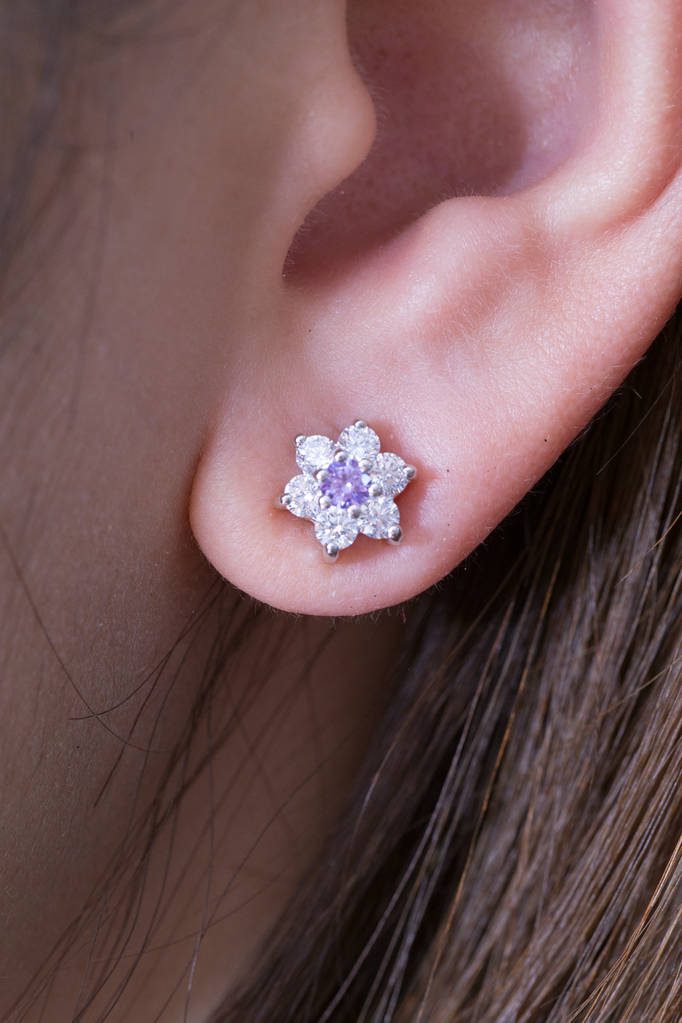
One of the most common questions new piercing clients ask is when they can switch to different jewelry.
While the outside of the piercing may appear healed after a few weeks, the internal tissue often requires additional time to strengthen.
For most people, starter earrings should remain in place for at least 6 to 8 weeks.
Before changing jewelry, make sure:
- There is no pain.
- There is no swelling.
- There is no discharge.
- The piercing feels comfortable when gently touched.
If possible, have your professional piercer perform the first jewelry change.
Can You Wear 10 mm Earrings After Healing?
Yes. Once your piercing has fully healed, you can wear longer posts if they suit your anatomy or preferred style.
However, many people continue to find 6 mm to 8 mm posts the most comfortable for everyday wear because they are less likely to catch on clothing, headphones, or hair.
Common Mistakes That Delay Healing
Avoiding these mistakes can significantly improve your healing experience.
- Touching the piercing with unwashed hands.
- Changing jewelry too early.
- Using alcohol or hydrogen peroxide.
- Twisting or rotating the jewelry.
- Sleeping directly on the piercing.
- Using low-quality jewelry.
- Choosing oversized decorative tops.
- Removing crusties aggressively.
- Swimming in pools, lakes, or hot tubs during early healing.
First Earlobe Piercing Checklist
Before getting your piercing, make sure you have:
- Chosen a reputable professional piercer.
- Selected implant-grade titanium jewelry.
- Confirmed a 16g post size.
- Selected a 6 mm to 8 mm post length.
- Chosen a 4 mm decorative top.
- Purchased sterile saline solution.
- Prepared a clean sleeping arrangement.
Being prepared before your appointment can make the healing process much easier.
Frequently Asked Questions
What is the best size for a first earlobe piercing?
The best size for most first-time earlobe piercings is a 16-gauge (1.2 mm) post, 6 mm to 8 mm length, and a 4 mm gem or ball.
Is 16g or 18g better for earlobe piercings?
Most professional piercers prefer 16g because it provides greater stability and durability while remaining comfortable.
Can children get a 16g ear piercing?
Yes. For most children with average-sized earlobes, 16g is considered safe and appropriate.
How long should starter earrings stay in?
Starter jewelry should generally remain in place for at least 6 to 8 weeks or until the piercing has fully healed.
Can I sleep on a new earlobe piercing?
It is best to avoid sleeping directly on a fresh piercing during the healing period. Sleeping on your back or using a travel pillow can help.
What metal is safest for a new piercing?
Implant-grade titanium is widely considered the safest material because it is lightweight, durable, and hypoallergenic.
Can I clean my piercing with alcohol?
No. Alcohol and hydrogen peroxide can dry out tissue and slow the healing process. Sterile saline solution is the preferred option.
What happens if my earring post is too long?
An overly long post can move excessively, causing irritation and increasing the risk of snagging.
Final Thoughts
Choosing the correct jewelry size is one of the most important decisions you’ll make when getting your first earlobe piercing.
For most people, a 16g (1.2 mm) post, 6 mm to 8 mm length, and 4 mm gem provides the ideal balance of comfort, healing support, and long-term versatility.
Pairing properly sized jewelry with implant-grade titanium and consistent aftercare can dramatically reduce irritation and help ensure a smooth healing experience.
Remember that healing takes time. Be patient, avoid unnecessary touching, and follow your piercer’s instructions carefully. With proper care, your new earlobe piercing can provide a lifetime of comfortable wear and jewelry options.