
Tungsten, Titanium & Ceramic Rings: Ring Material Guide
7 min read
1301 words
Choosing the right ring material can be more complicated than it first appears. While gold and platinum remain popular choices, modern materials such as tungsten, titanium, and ceramic offer alternatives for people looking for durability, comfort, and contemporary style. Whether you are shopping for a wedding band or an everyday ring, understanding the differences between these materials can help you make a more informed decision. Each has its own advantages, from scratch resistance and lightweight comfort to distinctive colours and finishes.
Tungsten: Strength and Scratch Resistance
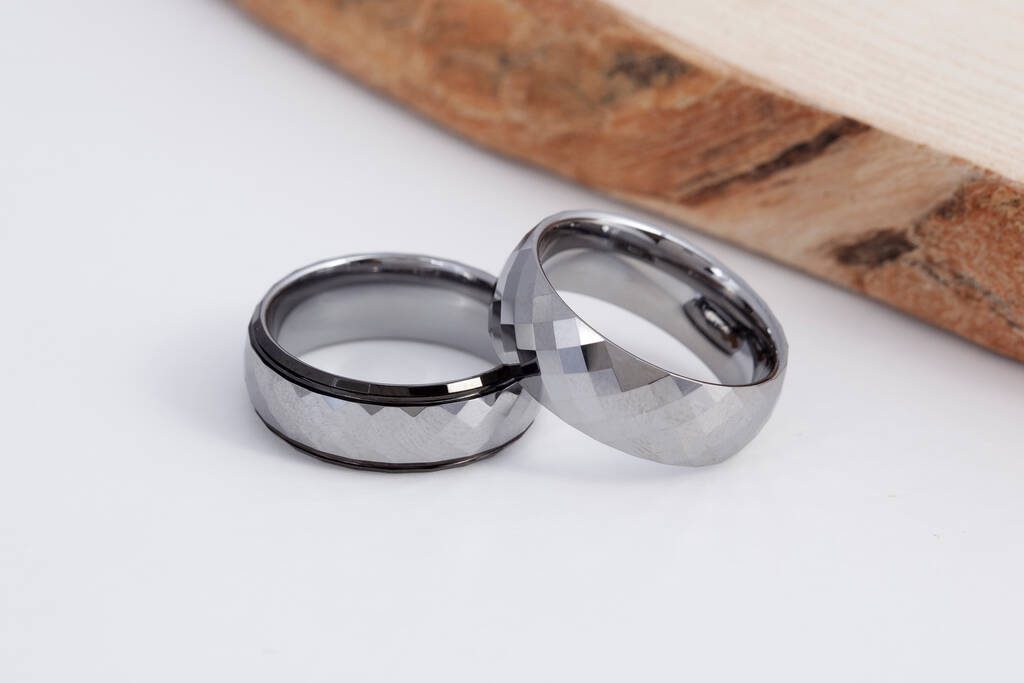
Tungsten carbide rings are known for their exceptional hardness and resistance to everyday scratches. This makes them appealing to people who want a ring that maintains its polished appearance with minimal maintenance.
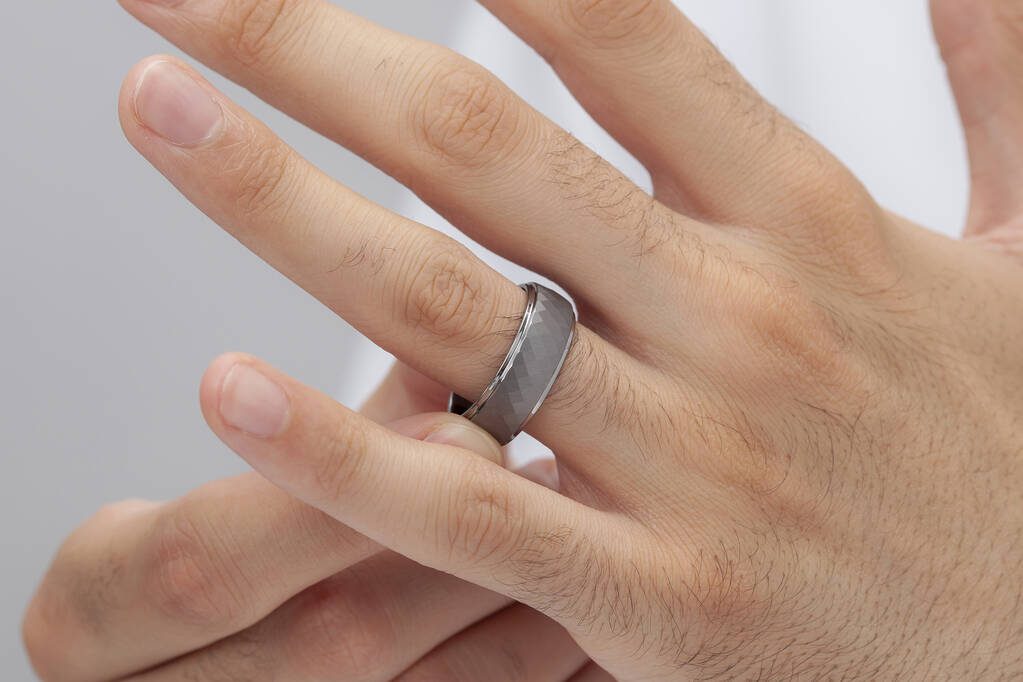
I have also seen the benefits of tungsten firsthand. My boyfriend wears a tungsten ring and absolutely loves it. He works in construction, so his ring is exposed to the demands of a hands-on job. It has held up well, and he appreciates how durable it is while still looking good. His experience is a good example of why tungsten appeals to people who want a ring that can handle an active lifestyle without requiring constant polishing or maintenance.
One of tungsten’s defining characteristics is its weight. Compared with titanium, tungsten feels heavier on the finger. Some people appreciate this substantial feel, while others prefer a lighter ring for everyday comfort.
Tungsten carbide is highly resistant to bending and warping. However, its hardness comes with a disadvantage: it can crack or shatter under a sufficiently strong impact. Unlike traditional gold bands, tungsten rings generally cannot be resized, so choosing the correct fit is especially important.
For those who prefer a substantial ring with a polished finish and excellent scratch resistance, tungsten is worth considering.
Titanium: Lightweight and Versatile
Titanium is a popular choice for people who want a strong ring without the weight of heavier metals. Its excellent strength-to-weight ratio makes it comfortable for everyday wear, particularly for those who are not accustomed to wearing jewelry.
Another advantage is its resistance to corrosion. Titanium does not rust or tarnish easily, making it suitable for active lifestyles and regular outdoor activities.
Titanium rings are available in polished, brushed, and matte finishes. Some designs incorporate materials such as wood or carbon fibre for a more distinctive appearance. This versatility makes titanium suitable for both simple wedding bands and contemporary designs.
Although titanium is strong and durable, it can still develop scratches with use. Resizing is also difficult or impractical with many titanium rings, depending on their construction.
For anyone who values lightweight comfort, a modern appearance, and resistance to corrosion, titanium is an excellent option.
Ceramic: Sleek, Modern Style
Ceramic rings offer a distinctive alternative to traditional metal bands. Jewellery-grade ceramic is engineered for durability and is commonly available in black, white, and other colours.
One of its main advantages is its resistance to scratches. Ceramic can retain its finish well with normal wear, making it appealing to people who prefer jewelry that requires little maintenance.
Ceramic rings are also lightweight and can feature smooth, polished interiors for comfortable everyday wear. Their clean lines and contemporary appearance suit people who prefer understated accessories or darker, minimalist designs.
However, ceramic has an important limitation. Although it resists scratches, it can crack or break if dropped onto a hard surface or subjected to a sufficiently strong impact. Ceramic rings generally cannot be resized, either.
Ceramic may be a good choice for someone who prioritizes appearance and scratch resistance, provided they understand its limitations.
Comparing Durability, Comfort, and Style
Tungsten, titanium, and ceramic each offer different benefits. The best choice depends on how you plan to wear your ring and which features matter most.
- Tungsten: Best for people who prefer a heavier ring with excellent scratch resistance. Its main drawbacks are brittleness under impact and the inability to resize most designs.
- Titanium: Best for lightweight comfort, strength, and corrosion resistance. It can scratch over time, and resizing is often difficult.
- Ceramic: Best for a modern appearance and a finish that resists scratches. Its main disadvantage is the risk of cracking or breaking under impact.
For shoppers exploring men’s wedding bands, these materials provide alternatives to traditional gold and platinum. They offer a variety of finishes, colours, and styles to suit different tastes and budgets.
It is also worth considering your daily routine. Someone who works with their hands, exercises regularly, or frequently handles heavy equipment may have different requirements from someone who primarily works in an office. My boyfriend’s experience with his tungsten ring is one example of how a ring’s durability can be an important consideration for someone working in construction.
However, no ring material is completely immune to damage. Anyone working with machinery or power tools should follow workplace jewelry safety rules, as rings can pose a serious snagging or crushing hazard. A durable ring is not necessarily a safe ring to wear on the job.
Maintenance and Long-Term Care
One reason these materials appeal to modern buyers is that they generally require little maintenance. Regular cleaning with mild soap, warm water, and a soft cloth is usually sufficient to remove everyday dirt and oils.
Avoid exposing rings to unnecessary impacts, and follow the manufacturer’s cleaning recommendations. Harsh chemicals and abrasive cleaners are best avoided unless the manufacturer specifically confirms they are suitable.
Before purchasing, consider whether the ring can be replaced affordably if it becomes damaged. Because tungsten, titanium, and ceramic rings generally cannot be resized like gold bands, changes in finger size may mean buying a replacement.
How Much Do Tungsten, Titanium, and Ceramic Rings Cost?
These materials are often more affordable than gold or platinum, although prices vary depending on the design, brand, finish, and any additional materials used.
Tungsten rings are widely available in simple polished styles and more elaborate designs. Titanium offers options ranging from understated bands to rings with decorative inlays. Ceramic rings are also available in a variety of finishes and styles, including black and white designs.
Rather than comparing price alone, consider the ring’s construction, comfort, warranty, and replacement options. A well-fitting ring that suits your lifestyle may offer better long-term value than one chosen solely for its appearance.
How to Choose the Right Ring Material
Before making a decision, think about how the ring will fit into your everyday life.
Ask yourself these questions:
- Do you prefer a heavier ring or a lightweight band?
- Is scratch resistance more important than resistance to cracking?
- Will you wear the ring during work, exercise, or outdoor activities?
- Are you comfortable replacing the ring if your finger size changes?
- Which colour, finish, and design best reflect your personal style?
If possible, try on rings made from different materials before purchasing. The difference in weight and feel can be more noticeable in person than it is when shopping online.
It is also important to remember that tungsten carbide, titanium, and ceramic rings are not necessarily interchangeable in an emergency. If a ring becomes trapped on a swollen finger, removal methods vary by material. Ask a medical professional or emergency responder for help rather than attempting to cut or break the ring yourself.
Conclusion
Tungsten, titanium, and ceramic offer stylish alternatives to traditional ring materials, each with its own strengths and limitations. Tungsten stands out for its scratch resistance and substantial feel, titanium offers lightweight comfort and corrosion resistance, and ceramic provides a sleek, modern appearance with excellent scratch resistance.
The right choice comes down to your lifestyle, comfort preferences, budget, and expectations for long-term wear. As my boyfriend’s experience with his tungsten ring shows, durability can make a real difference when choosing jewelry for an active lifestyle. By comparing the advantages and disadvantages of each material, you can find a ring that looks good, feels comfortable, and suits your everyday needs.
des



I love how tough and cool tungsten rings are. They really stand out.