Shearling-Lined Winter Boots: What to Know Before You Buy
9 min read
1726 words
When winter arrives, a warm, comfortable pair of boots can make everyday outings much more enjoyable. Shearling-lined winter boots are popular for their soft interiors, cozy feel and timeless appeal. They can be a lovely option for women who want footwear that combines warmth with casual style.
However, not all lined boots offer the same level of insulation, weather protection or comfort. Some are designed primarily for everyday wear, while others are constructed to handle colder temperatures and more demanding winter conditions.
Before buying a pair, it helps to understand what shearling is, how it differs from synthetic linings, and which features matter most when choosing winter boots for Canadian weather.
What Are Shearling-Lined Winter Boots?
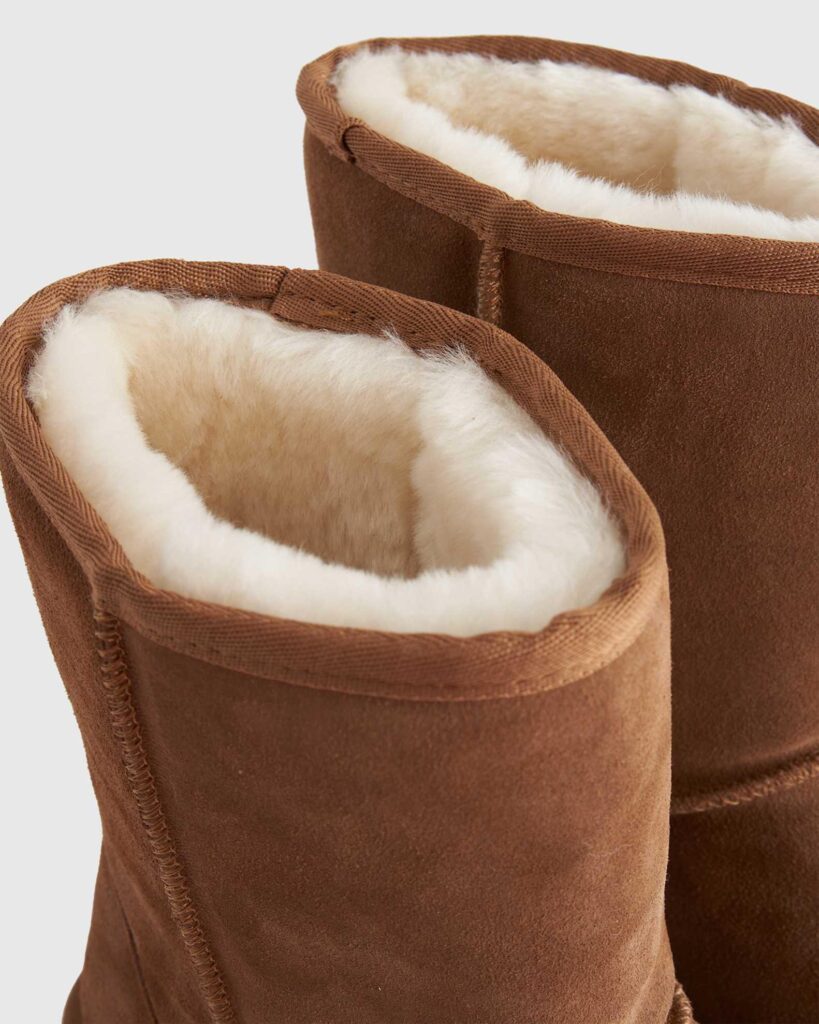
Shearling is a natural material made from sheepskin with the wool still attached. Genuine shearling has a woolly side that faces the foot and a leather side on the other surface.
The wool helps trap air, providing insulation against the cold. It can also absorb some moisture vapour, helping manage the moisture produced by your feet.
You may also see boots described as sheepskin-lined, wool-lined, fleece-lined or faux-shearling-lined. Although these materials can all contribute to warmth, they are not identical.
Genuine shearling uses natural sheepskin and wool, while faux shearling is made from synthetic fibres designed to imitate the appearance and feel of natural fleece. Wool linings may use wool fibres without the attached skin.
When comparing boots, read the material description carefully. A product described as having a fluffy or fur-like lining is not necessarily made from genuine shearling.
Why Choose Shearling-Lined Boots?
One of the main attractions of shearling-lined footwear is its soft, insulating interior. The material can help keep feet comfortable in cold weather while offering a plush feel against the skin.
Other potential advantages include:
Warmth: The wool fibres help trap air, providing insulation in cooler conditions.
Comfort: The soft lining can make boots feel cozy for everyday activities.
Moisture management: Wool can absorb moisture vapour, although the boot’s overall construction and fit also affect how comfortable your feet feel.
Classic style: Shearling-lined boots come in a variety of designs, from simple ankle boots to mid-calf styles with decorative buttons or suede exteriors.
The amount of warmth and comfort you experience depends on the individual boot. Lining coverage, insulation beneath the foot, sole construction, fit and weather protection all play a part.
Genuine Shearling vs. Faux Shearling
When shopping for shearling-lined winter boots, one of the first decisions is whether you prefer a natural or synthetic lining.
Genuine shearling combines sheepskin with its natural wool. Faux shearling uses manufactured fibres to create a similar fluffy appearance.
Neither label alone tells you everything you need to know about a boot’s performance. Synthetic linings vary in thickness and construction, just as natural materials vary in quality and coverage.
Consider the following when comparing your options:
- Material: Check whether the lining is genuine shearling, wool or synthetic faux shearling.
- Coverage: Find out whether the lining extends throughout the foot and shaft or is limited to certain areas.
- Care requirements: Natural materials and synthetic fabrics may require different cleaning methods.
- Price: Compare the complete construction and features rather than assuming one material always represents better value.
- Weather protection: Check the outer material and waterproofing specifications separately from the lining.
If genuine shearling is important to you, look for an explicit material description rather than relying on product photographs.
Are Shearling-Lined Boots Waterproof?
This is an important question, particularly for anyone living in Canada.
Shearling-lined does not automatically mean waterproof. The lining provides insulation and comfort, while waterproofing depends on the boot’s exterior materials, construction, seams and any waterproof membrane.
Some shearling-lined boots are designed for dry, cold conditions. Others combine a warm lining with waterproof construction for wet snow and slush.
Before purchasing, check whether the manufacturer describes the complete boot as waterproof or merely water-resistant. These terms are not interchangeable, and the level of protection can vary by design.
Suede boots deserve particular attention. Suede can be vulnerable to water stains and damage if it has not been treated appropriately. Follow the manufacturer’s care recommendations and do not assume a suede exterior will withstand prolonged exposure to slush.
If you regularly walk through wet snow, consider a boot specifically designed for those conditions rather than choosing solely for its soft lining.
What to Look for in the Soles
A warm lining is only one part of a suitable winter boot. The outsole also matters, especially when you encounter snow-covered paths, wet pavement or icy sidewalks.
Look for a sole with a tread pattern intended for winter use. The design and rubber compound can influence grip, but a deep-looking tread does not guarantee reliable traction on ice.
Consider the following features before buying:
Tread: Look for an outsole designed to provide grip on the surfaces you regularly encounter.
Flexibility: The sole should feel appropriate for the intended use without being uncomfortably stiff.
Cushioning: A comfortable footbed can make a difference when you are walking or standing for extended periods.
Stability: Consider the heel shape and overall construction. A low, stable heel may suit everyday winter wear better than a narrow or elevated heel.
If you frequently encounter ice, check whether the manufacturer provides specific information about slip resistance. Even boots designed for winter cannot eliminate the risk of slipping.
For more detailed advice about traction, water protection and footwear for winter walking, see my guide to choosing winter walking shoes for snow, slush and ice.
How Should Shearling-Lined Boots Fit?
A comfortable fit is essential when choosing winter footwear. Boots that are too tight can compress the lining and leave insufficient room for your toes, while boots that are too loose may allow your feet to move around excessively.
When trying on shearling-lined boots, pay attention to the following:
- Your toes should have enough room to move comfortably.
- Your heel should feel secure without excessive slipping.
- The lining should feel soft without creating uncomfortable pressure.
- If you wear winter socks, try the boots with the type of socks you plan to use.
- Check the manufacturer’s sizing guidance because fit can vary between brands and styles.
A thick lining can make a boot feel snug at first, but you should not have to tolerate painful pressure in the hope that it will become comfortable later.
If you shop online, check the return policy before ordering. This is particularly useful when trying a new brand or an unfamiliar boot design.
Choosing the Right Height and Style
Shearling-lined winter boots are available in several styles, and the best option depends on your wardrobe and daily activities.
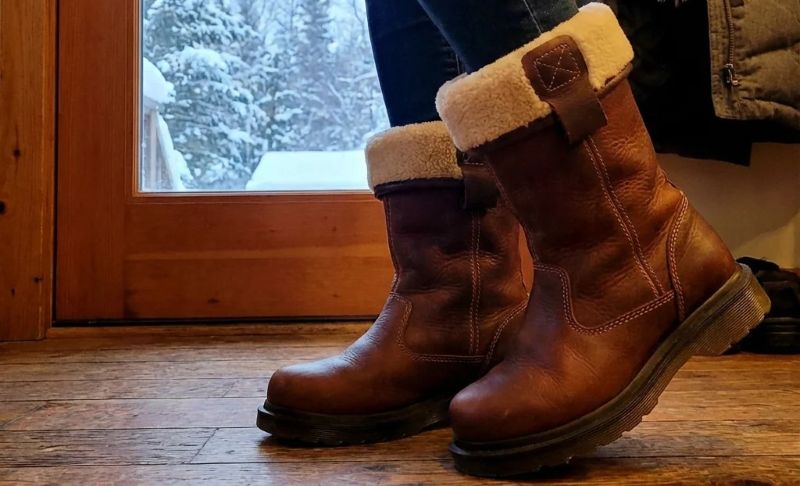
Ankle boots offer a versatile look that works well with jeans, leggings and casual trousers. They can be convenient for everyday outings, although their lower height may be less suitable for deep snow.
Mid-calf boots provide additional coverage and can complement a range of winter outfits. Depending on their construction, they may also help prevent snow from entering around the lower leg.
Tall boots offer more coverage for deeper snow, although they may be heavier or more cumbersome than shorter styles.
Colour is another consideration. Black, grey and chestnut are classic choices that can coordinate with many winter outfits. Navy and forest green provide alternatives for anyone who wants something a little different.
Decorative details such as buttons, elastic loops and contrasting trim can add character without making a boot difficult to style.
How to Care for Shearling-Lined Winter Boots
Proper care can help preserve the appearance and comfort of your boots.
Start by reading the manufacturer’s instructions, particularly if the exterior is suede or the lining is genuine shearling. Different materials may require specific cleaning products and techniques.
After wearing your boots outdoors, brush away loose dirt when appropriate and allow them to air-dry naturally if they become damp. Keep them away from direct heat sources such as radiators, which may damage or dry out certain materials.
Avoid putting shearling-lined boots in the washing machine unless the manufacturer explicitly states that this is safe. Excessive moisture and unsuitable cleaning products can damage natural materials or affect the lining.
If your boots develop salt marks, use a cleaning method recommended for the specific exterior material. Do not assume that a treatment suitable for smooth leather is also safe for suede or shearling.
Store your boots in a cool, dry place between seasons. Allowing them to dry fully before storage can help prevent lingering moisture and unpleasant odours.
A Look Back at the PIKA Teya Boots
When I reviewed the PIKA Teya boots in 2014, one of the features that stood out to me was their soft sheepskin lining. I also appreciated their mid-calf design, suede exterior and decorative wooden buttons with elastic loop closures.
The boots were available in Grey, Chestnut, Black, Navy and Forest Green. I particularly liked the Chestnut, Grey and Black options because they were versatile colours that could be paired with different outfits.
In my experience, the Teya boots fit true to size and felt exceptionally comfortable and cozy. The lining was a highlight of my original review, while the button detailing gave the boots a distinctive look.
You can read more about my experience in my PIKA Teya boots review.
The original review reflects my experience with that particular model in 2014. I have not verified its current availability, so anyone looking for a similar pair today should check current product listings and specifications rather than assume the original style is still sold.
Are Shearling-Lined Boots Worth Buying?
Shearling-lined winter boots can be a worthwhile option if you value warmth, a soft interior and a classic casual style. However, the right choice depends on where you plan to wear them and the weather conditions you regularly face.
For everyday outings in cold, relatively dry conditions, a comfortable shearling-lined fashion boot may suit your needs. If you regularly encounter wet snow, slush or ice, give equal attention to waterproof construction, outsole traction and overall stability.
Before making a purchase, compare the lining material, fit, boot height, care requirements and manufacturer’s weather-protection claims.
A little research can help you find winter boots that feel comfortable, complement your wardrobe and suit the conditions in which you will wear them.
Disclaimer: This article provides general footwear-shopping information. Product features and performance vary by model. Always check the manufacturer’s specifications and care instructions before purchasing or treating winter boots.