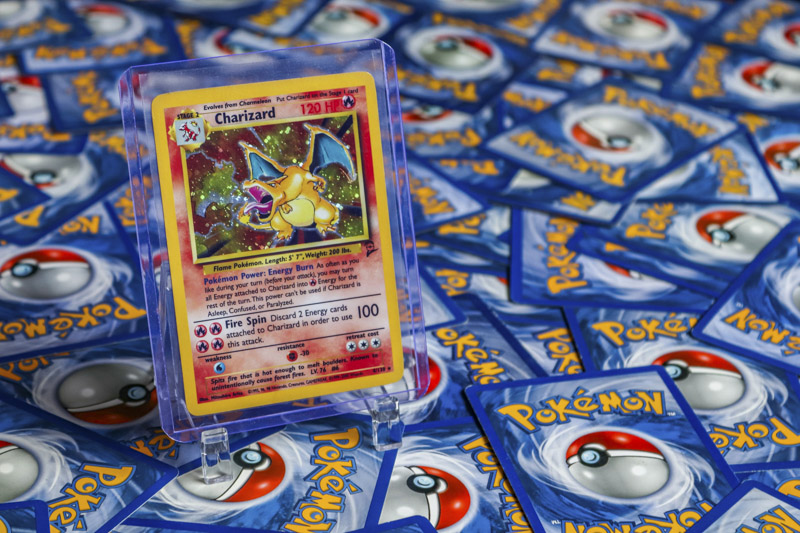
How to Tell If Pokémon Cards Are Fake & Valuable
11 min read
2142 words
Could that old Pokémon card collection sitting in a drawer, closet or childhood bedroom actually be worth money? Before you sell anything, there are two important questions to answer: Are the Pokémon cards real, and how much are they worth?
Those questions have become even more interesting after a Pikachu Pokémon card recently sold for an astonishing US$8.4 million.
Known as Raincoat Pikachu, the card is a 2015 Japanese XY Promo Art Academy card featuring Pikachu wearing a raincoat and holding an umbrella. Only 100 copies were reportedly produced as prizes connected to a Pokémon Art Academy competition. The particular card involved in the record-setting auction was graded PSA 10 Gem Mint.
An $8.4 million sale is obviously an extreme example. Most Pokémon cards are worth nowhere near that amount. However, it demonstrates why identifying a card correctly matters.
If you have Pokémon cards from your children, a collection you purchased years ago, or cards you recently found at a garage sale or thrift store, don’t assume they are worthless. At the same time, don’t assume every old or holographic Pokémon card is valuable.
Here’s how to tell if Pokémon cards are fake, identify what you have, and research their potential value.
Why Are Some Pokémon Cards Worth So Much?
The value of a Pokémon card depends on much more than its age. Collectors may consider the Pokémon featured on the card, the set, collector number, rarity, promotional history, number of copies produced, condition, professional grading and current collector demand.
This is why two Pokémon cards featuring the same character can have dramatically different values. A Pikachu card isn’t simply a Pikachu card. There are numerous Pikachu cards from different sets, years, languages, promotional events and special releases.
Identifying the exact card is the first step toward determining its value.
How to Tell If Pokémon Cards Are Fake
Counterfeit Pokémon cards can range from obviously poor imitations to cards that initially look convincing. There is no single home test that can guarantee authenticity, but several warning signs can help you identify a potentially fake Pokémon card.
The Pokémon Company recommends using a bright light to examine a suspicious card and suggests taking questionable cards to a specialist trading-card shop for evaluation. A visual inspection is a useful first step, but it isn’t a substitute for professional authentication when a card may have significant value.
Look Closely at the Printing
Examine the card under good lighting and look for blurry lettering, incorrect fonts, spelling errors, strange wording, poor-quality artwork, incorrect colours, fuzzy borders, misaligned elements or unusual symbols.
The following card provides a useful example because several small details raise questions about its authenticity.
Main Giveaways on This Example
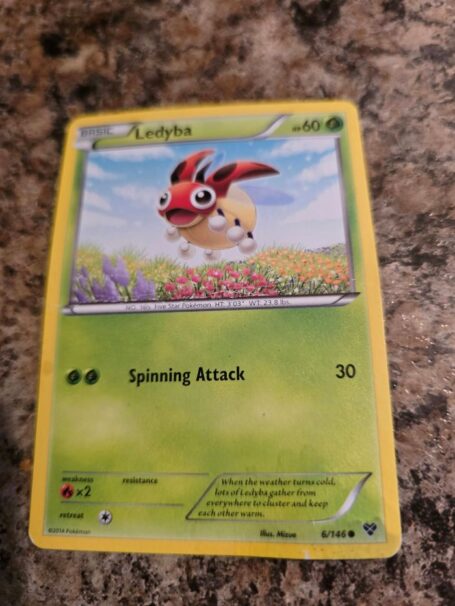
One noticeable problem is the “HP” font. Genuine Pokémon cards use distinctive typography for the numerical health value. On this example, the “60” does not match the expected font style and weight. The difference may seem minor when looking at the card quickly, but examining the lettering closely can reveal inconsistencies.
Another clue is the missing accent in “Pokémon.” In the description text on this example, the word appears without the acute accent over the “é.” Genuine Pokémon cards use specific typography throughout their text, so spelling and typographical errors can be useful warning signs when evaluating a suspected counterfeit.
The Grass Energy symbols beside “Spinning Attack” also appear questionable. On this example, the symbols look poorly reproduced and lack some of the crisp detail found on legitimate copies. Comparing suspicious symbols with a confirmed authentic example from the same card or set can make differences easier to spot.
These details should be treated as warning signs rather than absolute proof. A single printing difference does not automatically mean a Pokémon card is fake. Genuine cards can have printing variations and defects. When evaluating authenticity, look for several inconsistencies across the card rather than relying on one feature.
Try the Light Test
One of the easiest preliminary checks is to hold the card in front of a bright light. Authentic Pokémon cards have a layered construction that generally makes them difficult to see through. If you can see through a card extremely easily, that can be a warning sign.
However, don’t automatically declare a card fake based on the light test alone. Different Pokémon products, languages and printing eras can have differences in construction. Think of the light test as a screening tool rather than definitive proof.
Check the Card Number and Rarity
Look near the bottom of the card for the collector number. You might see something such as 123/198. This can help identify the exact card and determine which set it belongs to.
Also examine the rarity symbol or designation. Pokémon has changed its rarity system over the years, so don’t assume that every card uses the same symbols. A star or holographic finish doesn’t automatically mean a card is valuable.
The official Pokémon Trading Card Game database can help identify cards and verify information such as the card name and expansion.
Compare It With a Known Authentic Card
If you have another Pokémon card that you know is genuine, compare the two. Look at the size, thickness, borders, colours, card back, artwork, fonts, symbols, holographic pattern, text and card number.
Comparing a suspicious card with a confirmed genuine copy of the same card is particularly useful. Differences are much easier to identify when you aren’t comparing completely different Pokémon products.
Don’t Tear or Bend a Pokémon Card
You may find collectors online recommending destructive tests for determining whether a Pokémon card is authentic.
Don’t do this.
If there is any possibility that a card is valuable, deliberately damaging it makes little sense. Creases, bends and scratches can reduce the value of a collectible.
Use non-destructive examination methods instead. If you’re still unsure, have the card examined by someone experienced with Pokémon cards.
How to Identify a Pokémon Card
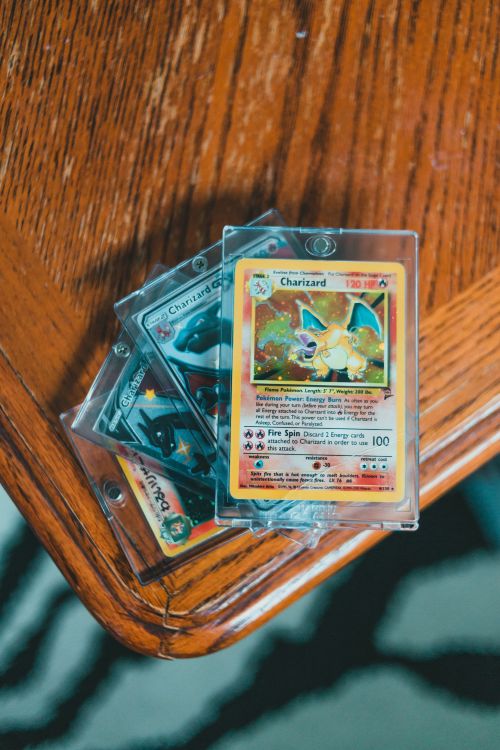
Before determining what a Pokémon card is worth, identify it precisely. Record the Pokémon’s name, collector number, set or expansion, rarity and language.
Pay close attention to the artwork and specific variation. A Pokémon can appear on multiple cards that look similar but have completely different values.
Language matters too. English, Japanese and other-language versions can have different collector markets and prices.
How to Find Out How Much a Pokémon Card Is Worth
Once you know exactly what card you have, research its market value.
One of the biggest mistakes new collectors make is looking at the highest price they can find online and assuming that’s what their card is worth.
An online marketplace might have someone asking $500 for a card, but that doesn’t mean anyone has actually paid $500 for it.
Instead, look for completed or sold listings. Recent sales provide a much better indication of what buyers have actually paid.
When comparing sales, make sure you’re looking at the same card, set, card number, language, rarity and version. Condition and grading also need to be considered.
Condition Can Make a Huge Difference
Condition is one of the most important factors in Pokémon card value.
Examine the corners, edges and surface carefully. Look for whitening, scratches, dents, stains, creases, bends and other imperfections. Centering can also matter, particularly if you’re considering professional grading.
A card can be authentic and rare but still be worth substantially less because of its condition.
A raw card simply means that it hasn’t been professionally graded. When researching prices, compare raw cards with other raw cards whenever possible. Don’t take the price of a PSA 10 and assume your ungraded card is worth the same amount.
What Is Pokémon Card Grading?
Professional grading involves examining a card, authenticating it and assigning a condition grade. PSA is one of the best-known grading companies in the trading-card industry.
A graded card is generally placed in a protective holder with a label identifying the card and its grade. High-grade examples of desirable cards can command substantially more than lower-grade copies.
However, grading isn’t automatically worthwhile for every card. Before spending money on grading, research the card’s raw value, recent graded sales, possible grade and grading costs.
What Makes a Pokémon Card Valuable?
Several factors can contribute to a card’s value. Rarity and scarcity can attract collector interest, particularly when relatively few copies exist. Condition can have a major effect on price, especially for desirable cards.
Popularity can also matter. Cards featuring popular Pokémon such as Pikachu or Charizard can attract substantial interest, although popularity alone doesn’t determine value.
Promotional history can be especially important. Cards connected to competitions, tournaments, special events or limited promotional releases may have unusual collector appeal.
The Pikachu Card That Sold for $8.4 Million
The recent Raincoat Pikachu sale is a remarkable example of how unusual Pokémon cards can reach extraordinary prices.
The card is a 2015 Japanese XY Promo Art Academy Pikachu, featuring Pikachu wearing a raincoat. The artwork was created by Y. Fujishima, whose design won a category associated with the Pokémon Art Academy competition.
Only 100 copies were reportedly produced as prizes.
One PSA 10 example sold through Fanatics Collect for US$8.4 million, including the buyer’s premium, in September 2026.
That doesn’t mean every Raincoat Pikachu is worth $8.4 million. Previous sales of the same card have been dramatically lower.
This is an important lesson when researching Pokémon cards: one spectacular auction result does not automatically establish the value of every copy of a card.
The specific condition, grade, buyer competition, timing and circumstances of a sale can all affect the final price.
Are Old Pokémon Cards Always Valuable?
No.
A card isn’t automatically valuable because it is old, holographic, from the 1990s, features Charizard or Pikachu, or appears to be in good condition.
You have to identify the exact card.
Two cards featuring the same Pokémon can have completely different values because they belong to different sets or have different rarities, artwork, print histories or promotional backgrounds.
How to Check a Pokémon Card Collection at Home
If you’re going through an old collection, don’t immediately sell everything as one lot.
Take your time and separate potentially interesting cards. Look for holographic cards, promotional cards, older cards and unusual artwork.
Identify each card by recording its name, number, set, rarity and language. Check suspicious cards for possible signs of counterfeiting before assuming they’re valuable.
Research recent sold prices and examine condition carefully. If a card appears particularly rare or valuable, consider professional authentication or grading before selling it.
How to Store Valuable Pokémon Cards
If you think you have valuable Pokémon cards, protect them while researching them.
Keep cards in protective sleeves and away from moisture, direct sunlight, excessive heat and pressure. Store them in a clean, dry environment where they won’t become bent or scratched.
Avoid cleaning cards with household products. Don’t attempt to remove stains, scratches or other imperfections yourself, and never write on a potentially collectible card.
Even seemingly minor damage can affect a collectible’s value.
Common Pokémon Card Value Mistakes
One common mistake is assuming every holographic card is valuable. Another is using the highest online listing as proof of value. An asking price isn’t the same thing as a completed sale.
People also frequently overlook condition, confuse similar cards from different sets, assume age automatically equals value, or send every interesting card for professional grading without researching whether the expense makes sense.
Perhaps the biggest mistake is trying to clean an old card. A well-intentioned attempt to make a card look newer can cause permanent damage.
Final Thoughts: Don’t Throw Out That Old Pokémon Collection
The recent $8.4 million Pikachu sale is certainly attention-grabbing, but you shouldn’t expect every Pokémon collection to contain a multimillion-dollar card.
What it does demonstrate is that the Pokémon Trading Card Game has a serious collector market, and some extraordinarily scarce cards can command extraordinary prices.
If you have an old collection, take the time to identify what you have before selling it.
Learn how to tell if Pokémon cards are fake. Find the card number and set. Check the rarity. Examine the condition. Research recent sold prices and compare the exact card rather than relying on an eye-catching asking price.
And if you discover something that appears exceptionally rare, resist the temptation to rush.
The most valuable thing you can do at the beginning is protect the card and research it carefully.
You may not have an $8.4 million Pikachu.
But you might have a Pokémon card worth considerably more than you realized.