
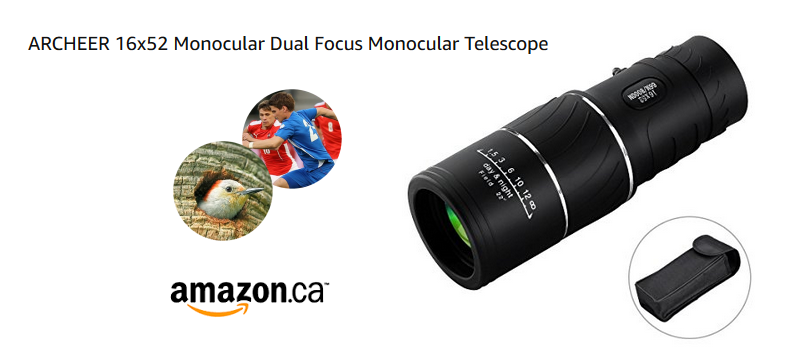
ARCHEER 16×52 Monocular Review: A Look at Bird Watching
6 min read
1026 words
As a computer technician, I appreciate well-designed equipment that makes a job easier. Technology isn’t limited to computers, though. There are plenty of useful gadgets for enjoying the outdoors, and a monocular is one option worth considering if you enjoy bird watching, hiking, or observing wildlife.
My uncle enjoys bird watching and wanted a compact viewing device that would help him see birds from a distance. I took a closer look at the ARCHEER 16×52 Monocular to see what it offered and whether it would be a practical choice for someone getting started with this type of equipment.
Why Use a Monocular for Bird Watching?
Bird watching often means trying to spot a small bird perched high in a tree or moving through the branches at a distance. A monocular gives you a magnified view without the size and weight of some larger optical equipment.
Unlike binoculars, which have two eyepieces, a monocular is designed for viewing with one eye. Its compact size makes it convenient to carry in a backpack or keep handy during an outdoor walk.
A monocular can be useful for observing birds, wildlife, landscapes, and distant objects. However, magnification alone doesn’t guarantee a sharp view. Lighting, lens quality, steadiness, and the distance to your subject all affect what you can see.
ARCHEER 16×52 Monocular
If you’re considering a monocular for outdoor activities, the ARCHEER 16×52 Monocular is one model to investigate.
The product name indicates a 16x magnification and a 52 mm objective lens. These specifications describe how much larger a distant object appears and the diameter of the front lens. A larger objective lens can help gather light, although overall brightness also depends on the optical design, coatings, magnification, and viewing conditions.
The model was advertised with features including BaK-4 prism optics, multi-coated lenses, focus adjustment, and a compact body. These features are worth considering when comparing monoculars, but buyers should confirm the specifications and included accessories in the current product listing before ordering.
Magnification and Image Clarity
When my uncle was looking for a monocular, magnification was an important consideration. Higher magnification can make distant birds appear larger, which is helpful when observing wildlife from a suitable distance.
There is a trade-off, however. At 16x magnification, even small movements of your hand can make the image appear shaky. A lower-magnification monocular or a pair of binoculars may be easier to use for following birds that move quickly between branches.
I was impressed by the level of detail I could see when looking through the monocular during my original review. As with any optical device, the results will depend on the lighting, distance, and how steadily you hold it.
The original product description also referred to dual-focus adjustment and dioptre adjustment at the eyepiece. Focus controls help bring the subject into view, while dioptre adjustment can help accommodate differences in eyesight.
Is It Suitable for Nighttime Bird Watching?
One important distinction is worth making: a conventional monocular with a 52 mm objective lens is not automatically a night-vision device.
A larger front lens may help gather available light, making it useful in some dim conditions. However, it cannot provide a clear view in complete darkness without suitable night-vision technology or another source of illumination.
If you specifically want to observe nocturnal birds, look for a device that clearly states whether it uses digital night vision, infrared illumination, or another night-viewing technology. Check the manufacturer’s specifications carefully before purchasing.
For ordinary bird watching, early morning and evening viewing can still be enjoyable, but you’ll generally get the best results when there is enough natural light to see your subject clearly.
Design and Accessories
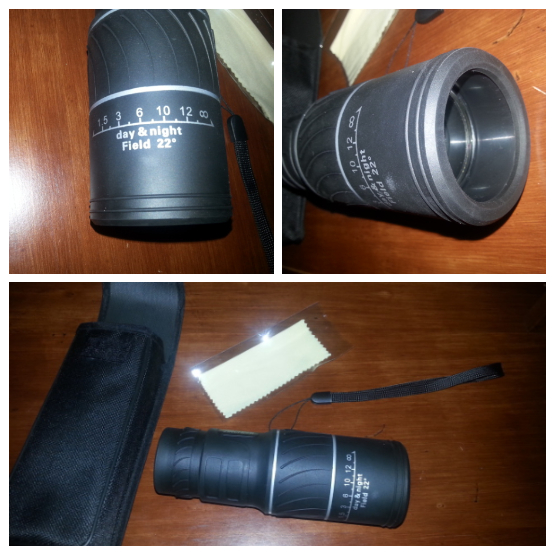
The ARCHEER model was advertised as a lightweight, portable monocular with a hand strap. Its compact design is useful for people who want to carry optical equipment without packing full-size binoculars or a spotting scope.
The original product information also described the monocular as waterproof and fog-proof. If weather resistance is important to you, verify the current manufacturer’s specifications and any stated protection rating rather than assuming that every version offers the same level of protection.
The set I reviewed included a cleaning cloth and storage case, although accessories can vary by listing or package. Lens covers were not included with the set described in my original review.
Keeping the lenses clean and storing the monocular in its case when it isn’t being used can help protect the optics from dust and scratches.
What to Consider Before Buying a Monocular
Before choosing a monocular for bird watching, I recommend checking a few practical details:
- Magnification: Higher magnification can help you see distant subjects, but it can also make the image harder to keep steady.
- Objective lens size: A larger lens may gather more light, but the overall optical design matters too.
- Weight and comfort: Choose something you can hold comfortably during an outdoor walk.
- Weather resistance: Check the manufacturer’s actual specifications if you expect to use it in rain or damp conditions.
- Focus controls: Make sure the focusing system is straightforward to adjust.
- Intended use: Ordinary optics, low-light optics, and true night-vision devices serve different purposes.
- Current price and reviews: Check the latest listing, return policy, and recent customer feedback before purchasing.
You may also want to compare a monocular with binoculars. Binoculars can be more comfortable for longer viewing sessions, while a monocular offers the convenience of a smaller, single-eyepiece design.
Final Thoughts
The ARCHEER 16×52 Monocular was an interesting option to explore when my uncle was looking for a compact device for bird watching. During my original review, I appreciated the view it provided and the convenience of having a portable optical device for observing distant subjects.
As with any purchase, I recommend checking the current specifications before ordering, especially if you need particular features such as waterproofing or night vision.
For someone beginning to explore monoculars, understanding the difference between magnification, low-light performance, and genuine night-vision capability is important. Choosing equipment that suits your needs will make your time outdoors more enjoyable.
If you’re interested in trying a monocular, you can view the ARCHEER 16×52 Monocular listing on Amazon and compare its current specifications and availability before deciding.





Hunting is my favorite list for a long time that is why I need Monoculars! By the way, after reading the full entirety of the post I have gotten some helpful information about Monoculars. I will try to check it today. It would be a great experience for me. Thanks anyway!