LCD Buyback Programs: Can You Sell Broken Phone Screens?
6 min read
1124 words
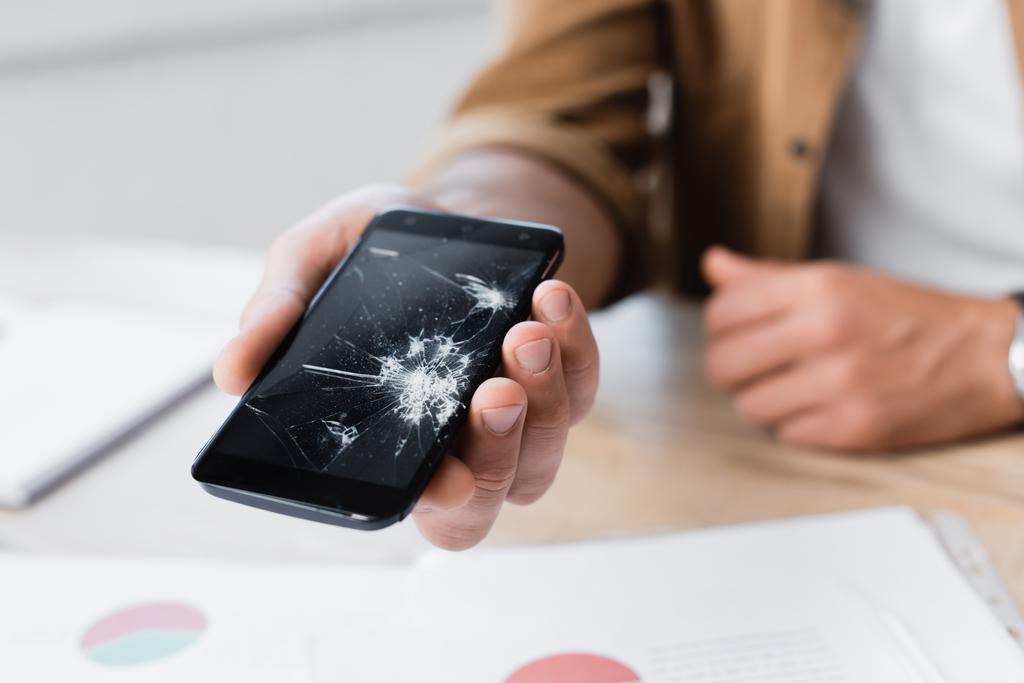
Cracked smartphone screens are a common problem. A phone can be dropped accidentally, leaving the glass shattered even though the display underneath still works. Depending on the damage, some screens may still have value and can be sold through an LCD buyback program.
These programs give repair shops, recyclers and other businesses an opportunity to recover usable display components rather than letting them go to waste. If you have damaged phone screens or old electronic displays sitting around, an LCD buyback program may be worth investigating.
Before sending anything away, however, there are a few important details to understand, including which screens are accepted, how pricing works and what to look for when choosing a buyer.
What Is an LCD Buyback Program?
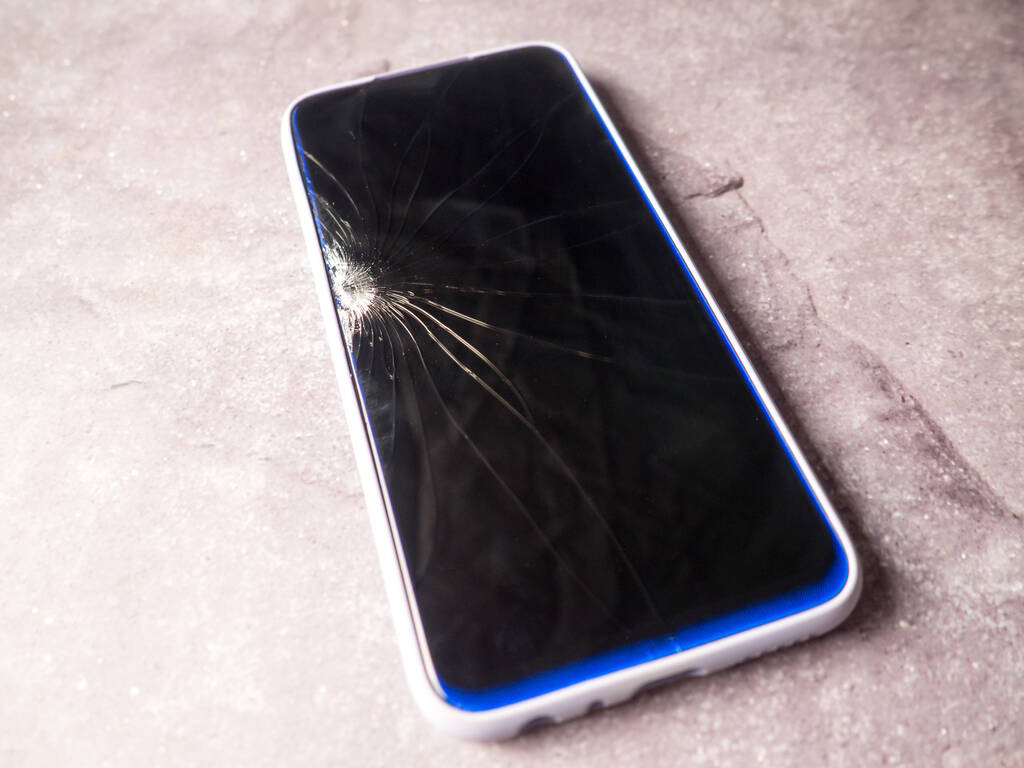
An LCD buyback program allows individuals, repair shops or businesses to sell eligible screens to a company that purchases them for reuse, refurbishment or recycling.
The amount offered usually depends on the phone model, screen type, condition and whether the display remains functional. For example, a screen with cracked outer glass but a working display may be worth more than one with damaged pixels, lines across the screen or no display at all.
The process varies by company. Some buyers ask sellers to ship their screens for inspection before payment is issued, while others provide prepaid shipping labels or offer different arrangements for larger quantities. Payment timelines and methods also vary.
Before participating, read the company’s terms carefully so you understand how screens are graded, when payment is made and what happens if a screen doesn’t meet the expected condition.
Can You Sell Screens From Devices Other Than Phones?
Smartphone displays are a common focus of LCD buyback programs, but some companies may accept screens or display components from other electronic devices.
Depending on the buyer, eligible items might include displays from tablets or other supported electronics. Computer monitors and television screens may have different requirements because their construction, size and recycling processes can differ significantly from those of smartphone displays.
Never assume that a company accepts every type of screen. Check its current list of eligible models and components before packing anything for shipment.
If you’re clearing out old electronics, it’s also worth asking whether the company accepts complete devices or only removed display assemblies.
Important Things to Consider Before Selling LCD Screens
If you have damaged phones or unused display components, a buyback program could be an opportunity to recover some of their value. However, doing a little research beforehand can help you avoid disappointment.
1. Check the Company’s Reputation
Before sending valuable components to a buyer, research the company’s reputation and read its terms and conditions.
Look for clear information about accepted screen models, grading standards, payment procedures and how disputes are handled. If the company advertises specific prices, check whether those amounts apply to your screen’s model and condition.
Be cautious if the purchasing requirements or payment terms are unclear. A reputable buyer should explain how the process works before you commit to a shipment.
2. Understand Shipping and Payment Policies
Shipping costs can affect how much money you ultimately receive from a buyback program.
Some companies provide prepaid shipping labels, while others require sellers to cover postage. Certain programs may offer additional shipping benefits for bulk shipments, but minimum quantities and eligibility requirements vary.
Also, confirm when payment is issued. Some buyers pay after receiving and inspecting the screens, and the final amount may change if the items don’t match the condition originally reported.
If you plan to sell multiple screens, calculate shipping expenses and any applicable fees before deciding whether the offer is worthwhile.
3. Find Out Which Screens Are Accepted
Not every LCD buyback program accepts every screen type or phone model.
Some buyers specialize in particular smartphone brands or display assemblies, while others focus on specific models or grades. Screens with severe damage, missing components or certain display faults may be rejected or offered a lower price.
Check the buyer’s accepted-model list before removing screens from devices or sending them away. If you’re unsure whether a component qualifies, contact the company and ask for confirmation.
4. Consider the Screen’s Condition
The condition of a screen can have a significant effect on its resale value.
A display with broken outer glass may still function, whereas another screen may have internal damage that affects image quality or touch response. These differences can influence whether the component is suitable for refurbishment or has value mainly for parts recovery.
Be honest when describing the condition of your screens. Accurate information helps set realistic expectations and reduces the likelihood of disagreements after inspection.
5. Think About Data Security and Safe Handling
If you’re selling a complete phone or tablet rather than a removed screen, protect your personal information before handing over the device. Back up anything you need, sign out of accounts and follow the manufacturer’s instructions for securely erasing your data.
Damaged screens can also have sharp glass edges. Handle broken components carefully and use suitable protective packaging when preparing them for shipment.
How LCD Buyback Programs Can Help Reduce Electronic Waste
Electronic devices contain materials and components that may be recovered, reused or recycled. When suitable display components are returned to the supply chain, they may be refurbished for repairs or processed through appropriate recycling channels.
LCD buyback programs can therefore help keep eligible components in circulation and reduce the amount of electronic waste sent for disposal. The environmental benefit depends on what happens to each screen after it is purchased, so it’s worth checking whether the company repairs, resells or recycles the components it receives.
Not every broken screen can be repaired or reused, and damaged electronic displays should not simply be thrown into regular household garbage where local recycling programs provide appropriate alternatives.
If a buyback program doesn’t accept your screens, check your municipality’s electronic waste collection options or an authorized electronics recycler.
Is an LCD Buyback Program Worth It?
An LCD buyback program may be worth considering if you have eligible damaged screens, especially if you’re a phone repair business or have several components to sell.
The amount you receive will depend on the screen model, condition, buyer requirements and shipping costs. Comparing a few options and reading the terms carefully can help you determine whether selling the screens makes financial sense.
Beyond the possibility of earning some money, participating in a suitable program may help extend the useful life of recoverable components and support responsible electronic waste management.
Before sending your screens away, confirm that the buyer accepts your specific items, understand how payment is calculated and make sure you know what happens to the components afterward. A little preparation can help you make a more informed decision about whether an LCD buyback program is right for you.