
The Many Uses of High-Speed Internet
6 min read
1185 words
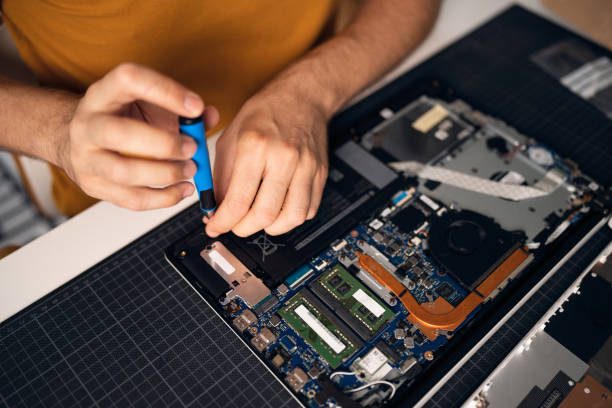
As a computer technician, programmer and computer shop owner, I’ve seen how much the internet has changed the way we live, work and communicate. A reliable internet connection is no longer just a convenience. For many people, it’s an essential part of everyday life.
From streaming our favourite shows to attending online classes, working from home and staying connected with family, high-speed internet helps make countless daily activities easier. Through my work with computers, I’ve also learned that slow internet isn’t always caused by your internet provider. Sometimes, the problem lies with the computer, router, Wi-Fi signal or other equipment being used.
In this article, I’ll explain some of the main benefits of high-speed internet and share practical advice to help you get more from your connection.
Why Is High-Speed Internet Important?
A reliable internet connection supports many activities people depend on every day, including online banking, shopping, education, remote work and communication. While a basic connection may be sufficient for simple browsing and email, faster internet can make a noticeable difference when several people or devices are online at the same time.
In my experience working with computers, internet performance depends on more than the speed advertised by your provider. Your router, Wi-Fi signal strength, network congestion, computer hardware and internet plan can all affect how well your connection performs.
For example, you might pay for a high-speed internet plan but still experience slow connections in certain rooms because your Wi-Fi signal struggles to reach them. Older networking equipment and multiple devices competing for bandwidth can also contribute to problems.
Before assuming you need a new computer or a more expensive internet plan, it’s worth investigating where the slowdown is occurring. Testing your connection near the router and checking whether other devices experience the same problem can help narrow down the cause.
Understanding these factors can help you make better decisions about your internet service and equipment.
Streaming Movies, Television and Online Videos
Streaming has become one of the most popular ways to enjoy digital entertainment. Whether you’re watching a television series on Netflix, catching up on YouTube videos or following a live stream on Twitch, a dependable internet connection helps deliver smoother playback.
Higher speeds are particularly useful when streaming high-definition or 4K video, especially when several people in the household are watching different content simultaneously.
However, when someone tells me their videos keep buffering, I wouldn’t automatically blame their internet provider. An outdated smart TV, an older router, a weak Wi-Fi signal or a device struggling with its workload can also contribute to streaming problems.
If videos repeatedly pause or take a long time to load, try moving closer to your router or connecting your device with an Ethernet cable, if possible. If performance improves, Wi-Fi coverage may be part of the problem.
High-speed internet is also useful for people who create and share their own content. Uploading videos, transferring large files and broadcasting live can require substantial bandwidth. If you regularly upload large files, pay attention to upload speed when comparing internet plans.
Faster Communication and Video Calls
The internet has transformed how we communicate, making it possible to stay in touch with friends, family, colleagues and clients around the world.
Messaging apps such as WhatsApp allow us to exchange messages, photographs, videos and voice recordings within seconds. Email, video conferencing and online collaboration tools also make it easier to share information and work together, regardless of location.
A fast, stable internet connection is especially helpful for video calls and virtual meetings. It can reduce interruptions, frozen screens and poor video quality, although the other person’s connection and the equipment being used also matter.
When troubleshooting video call problems, I recommend checking the whole setup rather than focusing only on internet speed. Closing unnecessary applications, checking for software updates and testing the connection can help identify potential causes.
Accessing Information Quickly and Conveniently
One of the internet’s greatest advantages is the amount of information it makes available. With a few searches, we can find educational resources, practical tutorials, news reports, product reviews, recipes and answers to everyday questions.
Students can research assignments, adults can learn new skills, and families can compare products or services before making purchasing decisions.
As a programmer and computer technician, I regularly appreciate how useful online technical documentation, software resources and troubleshooting information can be. The internet makes it easier to research unfamiliar problems, learn about software updates and keep up with changes in technology.
However, not everything published online is accurate. I always encourage people to check reputable sources, compare advice and be cautious about unfamiliar downloads or websites promising quick computer fixes.
A reliable, high-speed connection makes accessing these resources more convenient, particularly when websites include large images, videos or downloadable files.
High-Speed Internet for Work, Programming and Small Businesses
For people who work from home, run a small business or develop software, reliable internet can be essential to daily operations.
Cloud-based applications, remote meetings, online file storage, website management and software downloads all depend on connectivity. Interruptions can delay work and make it difficult to access important files or communicate with customers.
As a programmer, I understand the value of being able to download development tools, access technical documentation and work with online services without unnecessary delays. Upload speed can also matter when transferring large files or working with remote systems.
For small business owners, internet reliability can affect customer communications, appointment scheduling, payment systems and access to business information.
The right plan depends on how many people use the connection, which applications they rely on and how much data they transfer. A household with several people streaming videos and attending video meetings may have different needs from someone who mainly browses websites and checks email.
Making the Most of Your Internet Connection
Over the years, I’ve learned that getting the most from your internet connection involves looking at the entire setup, not just the advertised speed.
Here are a few practical steps worth considering:
- Check your internet speed: Test your connection to see whether it performs as expected for your plan.
- Review your Wi-Fi coverage: If the connection works well near the router but poorly in another room, signal strength may be the issue.
- Keep your equipment updated: Install appropriate updates for your computer, router and other connected devices.
- Consider a wired connection: An Ethernet cable can provide a more consistent connection for desktop computers and other stationary devices.
- Choose a suitable internet plan: Consider the number of users, connected devices and activities taking place in your home.
If problems continue across multiple devices, contact your internet provider or seek qualified technical assistance to help identify the cause.
High-speed internet can make streaming more enjoyable, communication easier, remote work more practical and online information more accessible. By understanding what affects your connection, you can make more informed decisions about your equipment and internet service.
As someone who works with computers every day, my advice is simple: before spending money on an expensive upgrade, take the time to identify the problem. Sometimes, a few adjustments to your existing setup can make a noticeable difference.