

Best Sport Sandals for Men With Plantar Fasciitis
5 min read
933 words
Plantar fasciitis can make everyday activities, including walking and standing, uncomfortable. The right footwear may help reduce pressure on the heel and provide support throughout the day. For men who prefer sandals during warmer weather, choosing a pair with a supportive footbed, cushioning, and a secure fit can make a difference in comfort.
Not all sport sandals offer the same level of support. If you experience plantar fasciitis, it is worth looking beyond appearance and price to find sandals that suit your feet and daily activities.
What Is Plantar Fasciitis?
Plantar fasciitis is a common cause of heel pain. It involves irritation of the plantar fascia, a thick band of tissue that runs along the bottom of the foot, connecting the heel bone to the toes.
The pain is often most noticeable with the first steps in the morning or after sitting for an extended period. It may ease as you move around, although prolonged walking or standing can make symptoms worse.
Several factors can contribute to plantar fasciitis, including repetitive strain, increased activity, limited ankle flexibility, and footwear that does not provide suitable support. If heel pain persists or interferes with everyday activities, a healthcare professional can help determine the cause and recommend appropriate treatment.
Why Footwear Matters
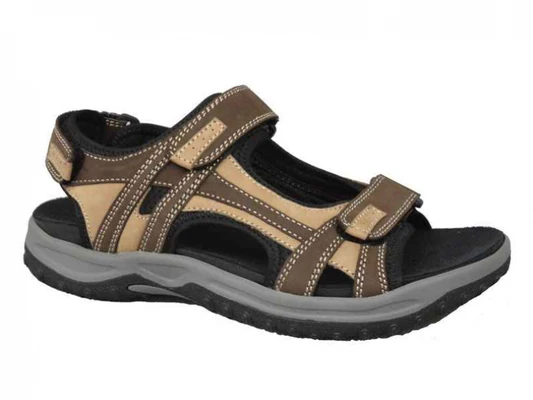
Footwear can influence how pressure is distributed across your feet while you walk or stand. Sandals with a supportive design may improve comfort for some people with plantar fasciitis, particularly when they provide a stable base and cushioning under the heel.
However, sandals are not a cure, and an open-toe design does not automatically make footwear suitable for painful feet. Some people may find that sandals aggravate their symptoms, especially if they have flat, unsupportive soles or require their toes to grip the footbed to keep the sandals on.
When choosing sport sandals, look for features that support your feet without causing additional discomfort.
Features to Look for in Sport Sandals
1. Contoured Arch Support
A contoured footbed that supports the arch may help distribute pressure more comfortably across the foot. Look for sandals with a shape that feels supportive without pressing painfully into your arch.
Arch support needs vary from person to person, so the most supportive-looking sandal is not necessarily the best fit for you.
2. Cushioning Under the Heel
Heel cushioning can help improve comfort when walking on hard surfaces. Look for a footbed that absorbs some impact while still providing a stable base.
Very soft cushioning is not always better. Sandals that compress excessively or feel unstable may not be comfortable for everyone.
3. A Stable Heel Cup
Some sport sandals have a slightly contoured heel area that helps position the foot. A secure, stable fit may improve comfort, particularly when walking over uneven ground.
The heel should sit comfortably without rubbing, slipping excessively, or feeling squeezed.
4. Adjustable Straps
Adjustable straps allow you to customize the fit around your foot. This is useful if your feet swell during the day or if you need a more secure fit for walking.
The straps should hold the sandals comfortably in place without creating pressure points or irritating your skin.
5. A Secure Sole With Good Traction
Choose sandals with a durable sole and sufficient grip for the surfaces where you expect to wear them. Good traction is particularly important when walking outdoors on wet pavement, gravel, or uneven paths.
A sole that bends or twists excessively may feel less stable. Try the sandals on and walk around to see whether they provide the support and control you need.
6. Breathable Materials
Breathable materials can help keep your feet comfortable in warm weather. Look for straps that feel comfortable against your skin and a footbed that does not cause excessive rubbing.
Comfort is especially important if you plan to wear the sandals for extended periods.
Tips for Choosing the Right Pair
Before buying sport sandals for plantar fasciitis, consider how you plan to use them. A pair intended for short errands may not provide the comfort you need for longer walks or travel.
Whenever possible, try the sandals on and walk around indoors before wearing them outside. Check that your heel and toes fit securely on the footbed, the straps do not rub, and the arch support feels comfortable.
If you use custom orthotics, check whether the sandals can accommodate them. Many sandals have built-in footbeds that cannot be removed, so they may not work with every orthotic.
Avoid assuming that a higher price guarantees better support. Focus on the fit, construction, comfort, and return policy instead.
Can Sport Sandals Help With Plantar Fasciitis?
Supportive sport sandals may be a comfortable option for some men with plantar fasciitis, particularly in warm weather. However, individual results vary, and sandals may not provide enough support for every person or activity.
Other approaches, such as calf and plantar fascia stretching, modifying activities that aggravate pain, and wearing suitable supportive footwear, may be part of a treatment plan. A physiotherapist, podiatrist, or other healthcare professional can help you choose an approach based on your symptoms and needs.
If your heel pain is severe, worsening, persistent, or affecting your ability to walk normally, seek professional advice rather than relying on footwear alone.
Final Thoughts
Finding comfortable sport sandals when you have plantar fasciitis means paying attention to more than style. A contoured footbed, suitable arch support, heel cushioning, adjustable straps, and a stable sole are useful features to consider.
Take time to find a pair that fits well and feels comfortable when walking. The right choice will depend on your feet, the activities you enjoy, and the level of support you need.