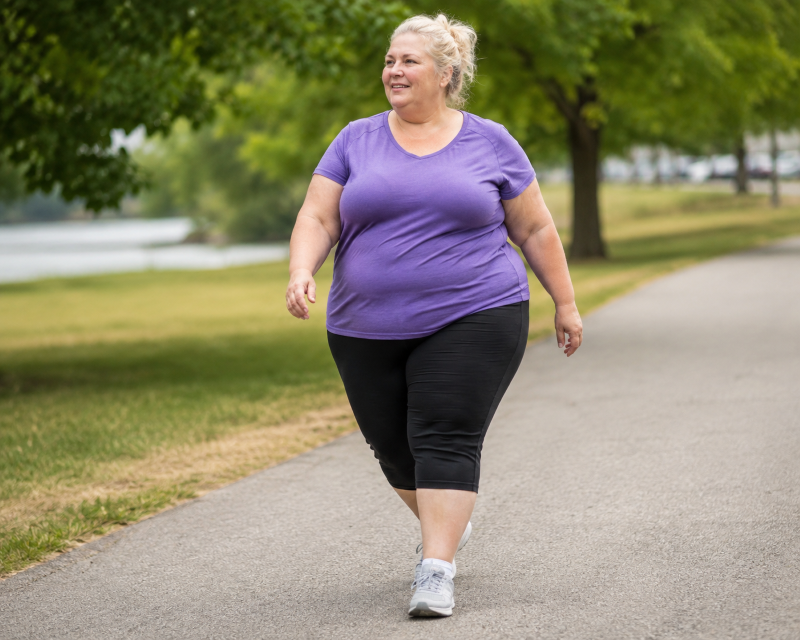
Walking After 50: Benefits of Walking Every Day
7 min read
1208 words
As we celebrate our 50th birthday and beyond, our approach to fitness often changes. The high-impact workouts that may have felt easy in our 20s and 30s might not feel as comfortable on our joints today. If you are looking for a way to stay active, maintain a healthy weight, support your heart, and feel your best without putting unnecessary stress on your body, look no further than walking.
Walking is often underestimated, but for women over 50, it is one of the most effective forms of exercise. It is affordable, accessible, gentle on the joints, and offers a wide range of health benefits.
Whether you are walking to improve your fitness, support weight management, reduce stress, or simply enjoy more time outdoors, every step you take is an investment in your future health.
In this guide, we will explore why walking after 50 can be your secret weapon for healthy aging and how to create a walking routine you can enjoy for years to come.
Why Walking Is One of the Best Exercises After 50
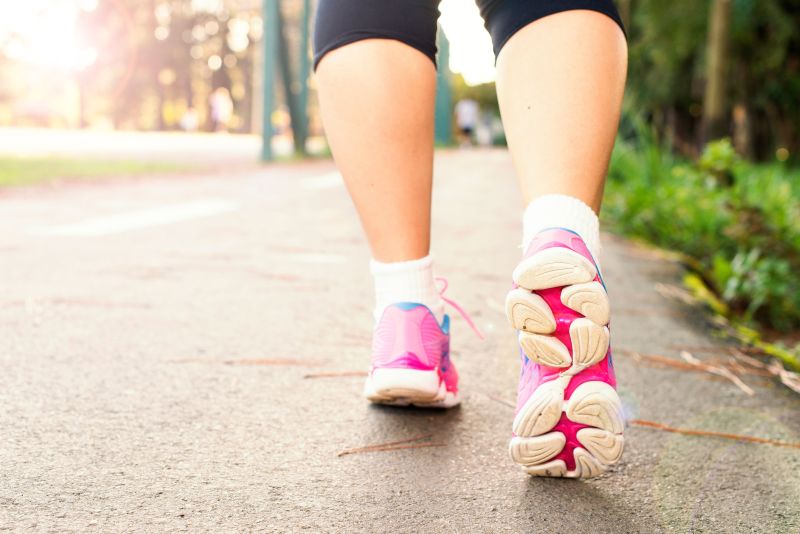
As we age, protecting our joints, maintaining muscle strength, and staying mobile become increasingly important. Walking is a low-impact cardiovascular exercise that provides heart-health benefits without the repetitive stress that activities like running can place on the knees, hips, and ankles.
Unlike intense workout programs that may lead to burnout or injury, walking is sustainable. It can help support muscle strength, improve mobility, keep joints moving, and make it easier to stay active throughout life.
The best exercise is often the one you can continue doing consistently—and walking is an activity that can fit into almost any lifestyle.
1. Walking Benefits for Heart Health
Heart health becomes especially important as we get older. The good news is that regular walking is a simple way to support cardiovascular wellness.
A brisk walk can help:
Support Healthy Blood Pressure
Regular physical activity helps strengthen the heart, allowing it to work more efficiently and support healthy blood pressure levels.
Improve Circulation
Walking encourages healthy blood flow throughout the body and supports overall cardiovascular function.
Support Healthy Cholesterol Levels
Consistent exercise can help improve cholesterol levels by supporting higher levels of beneficial HDL cholesterol and helping manage LDL cholesterol.
Even a daily walk around your neighbourhood can contribute to better heart health over time.
Related reading: [How to Take Better Care of Your Body: Simple Steps for Better Heart Health in Canada]
2. How Walking Supports Brain Health and Memory
Physical activity benefits more than just your body. It also supports your brain.
Research suggests that regular walking may help support memory, learning, and overall cognitive health. Walking also increases blood flow to the brain and can help reduce stress, improve mood, and boost mental well-being.
A 30-minute walk can provide time to clear your mind, enjoy nature, listen to music or podcasts, and create a healthy daily habit.
3. Walking Helps Improve Balance and Mobility
Maintaining balance and mobility is an important part of healthy aging. Walking helps strengthen the muscles in your legs, supports coordination, and keeps your body moving.
Walking on different surfaces, such as trails, grass, or gentle hills, can help improve body awareness and stability.
For women over 50, staying mobile can mean maintaining independence and continuing to enjoy everyday activities with confidence.
4. Can Walking Help With Weight Loss After 50?
Many people notice changes in their metabolism as they get older, making weight management more challenging. While walking is not a quick fix, it can be a valuable part of a healthy lifestyle.
Walking helps burn calories, supports muscle maintenance, improves fitness, and can make it easier to create consistent healthy habits.
The biggest advantage of walking is that it is an activity many people can continue long-term. A steady walking routine combined with balanced nutrition can support healthy weight management.
If you are just starting your journey, begin with small goals and gradually increase your walking time.
Start here: [7-Day Walking Challenge for Beginners to Lose Weight]
Read more: [Walking for Weight Loss: What Really Happens After 30 Days]
5. How Many Steps Should Women Over 50 Walk Each Day?
The popular goal of 10,000 steps per day is a common benchmark, but it is not a requirement for better health.
Many women can experience health benefits by gradually increasing their daily movement. If you currently take only a few thousand steps a day, do not feel discouraged. Adding an extra 500 steps each week can be a realistic and achievable goal.
Consistency matters more than reaching a specific number.
6. Walking Can Improve Your Mood and Reduce Stress
Walking is not only good for your physical health, but it can also support emotional well-being.
Spending time outdoors, moving your body, and getting fresh air can help reduce stress and improve your mood. Walking with a friend or family member can also provide social connection, which is an important part of healthy aging.
How to Start a Walking Routine Safely

If you are new to exercise or returning after a break, start slowly and listen to your body.
Helpful walking tips:
- Begin with a 5-minute slower walk to warm up
- Increase your distance and pace gradually
- Drink water before and after longer walks
- Wear comfortable supportive shoes
- Protect your skin from the sun
- Stop if you experience sharp pain or unusual symptoms
Remember, progress comes from consistency—not perfection.
Best Shoes for Walking After 50
The right walking shoes can make your walks more comfortable and help support your feet, knees, and joints.
When choosing walking shoes, look for:
- Good arch support
- Cushioned midsoles for comfort
- A supportive heel
- A roomy toe box
- Lightweight construction
Brands such as New Balance, Brooks, and Skechers offer many walking and stability shoe options designed for comfort and support.
Related reading: [Best Walking Shoes for Women Over 50: Comfort, Support, and Style Guide]
Walking Tips for People With Knee Pain or Joint Stiffness
Joint stiffness does not always mean you should stop moving. In many cases, gentle movement can help keep joints flexible and strengthen the muscles that support them.
Try these tips:
- Walk on softer surfaces when possible
- Choose comfortable, supportive footwear
- Start with shorter walks and increase slowly
- Keep good posture with your shoulders relaxed
- Avoid overstriding, which can increase stress on your joints
If you have ongoing knee pain or a recent injury, speak with your healthcare provider about the right activity level for you.
Add More Walking Into Your Day

You do not need a large block of free time to benefit from walking. Small amounts of movement throughout the day add up.
Ideas include:
- Taking a short walk after meals
- Parking farther away from entrances
- Walking while talking on the phone
- Using a walking pad while working at a desk
Related reading: [Best Walking Pad for an Under Desk Setup: Office Guide]
The Bottom Line
Walking after 50 is more than just exercise. It is a simple way to support a healthier, more active lifestyle.
Whether your goal is improving heart health, managing weight, supporting brain health, improving balance, or simply enjoying more energy, every step matters.
You do not need expensive equipment or a gym membership to get started. All you need is a comfortable pair of shoes and the willingness to take that first step.
Your future self will thank you.