Summer Wedding Planning: Your Stress-Free Guide
9 min read
1680 words
Congratulations on your engagement! This is an exciting time filled with dreams about your future together, celebrating with family and friends, and planning the wedding day you’ve always imagined. As exciting as wedding planning can be, it can also become overwhelming. Between choosing a venue, setting a budget, putting together a guest list, and coordinating all the details, it’s easy to feel as though there’s always something else to do.
The good news is that wedding planning doesn’t have to take over your life. With a little organization, open communication, and realistic expectations, you can enjoy the process without losing sight of what matters most: celebrating your love and beginning your life together.
If you’re planning a summer wedding, you’ll also want to consider the extra challenges that come with peak wedding season, from booking popular venues to keeping guests comfortable in warm weather. These wedding planning tips can help you stay organized and enjoy your engagement along the way.
Start with a Wedding Planning Checklist

Before getting caught up in choosing flowers, sampling cakes, or deciding on decorations, take some time to organize the big picture.
A wedding planning checklist helps you keep track of important decisions, appointments, payments, and deadlines. You can use a notebook, spreadsheet, wedding planning app, or calendar. The best system is one that works for both of you.
Your timeline will depend on the size of your wedding, your budget, and how much time you have before the big day. As a general guide, consider the following schedule.
12 to 18 months before the wedding: Discuss your vision, establish a budget, create a preliminary guest list, and research venues.
9 to 12 months before the wedding: Book your venue and priority vendors, including your photographer and caterer. Send save-the-dates if appropriate.
6 to 9 months before the wedding: Shop for wedding attire, arrange accommodation for out-of-town guests, and begin planning your ceremony and reception details.
3 to 6 months before the wedding: Send invitations, finalize your menu, arrange transportation, and schedule hair and makeup appointments if needed.
1 to 3 months before the wedding: Confirm arrangements with vendors, plan your seating chart, arrange final fittings, and check the requirements for your marriage licence.
The week of the wedding: Confirm final details, collect any necessary attire and accessories, and make sure everyone knows where they need to be and when.
You don’t have to follow this timeline exactly. Smaller weddings and shorter engagements may require a different approach. The important thing is to break large tasks into manageable steps instead of trying to do everything at once.
Set a Realistic Wedding Budget
Talking about money may not be the most romantic part of getting married, but establishing a realistic budget early can prevent considerable stress later.
Sit down together and discuss how much you can comfortably spend. If family members are contributing, clarify what they are willing to contribute before making financial commitments.
Once you know your budget, divide it into categories such as the venue, food, photography, attire, flowers, entertainment, transportation, and decorations. Remember to include smaller expenses that can easily be overlooked, including alterations, postage, tips where customary, and marriage licence fees.
It’s also wise to set aside a contingency fund for unexpected expenses. Depending on your circumstances, reserving approximately 10 to 15 per cent of your budget can provide a useful cushion.
Most importantly, plan a wedding you can afford. You don’t need to spend a fortune to create a beautiful and meaningful celebration.
Decide What Matters Most to You as a Couple
Before booking vendors or purchasing decorations, talk about what you both want from your wedding day.
Perhaps beautiful photographs are a priority. Maybe you want a lively reception with plenty of dancing, a memorable meal, or a small ceremony surrounded by your closest family and friends.
Make a list of your three to five most important wedding priorities. These will help guide your decisions when you have to choose between competing options.
For example, if photography is particularly important to you, you might decide to spend more on a photographer and simplify your floral arrangements. If spending time with family is your priority, a smaller guest list or a relaxed reception may suit you better than an elaborate event.
There is no single right way to celebrate a wedding. Focus on creating a day that reflects your relationship rather than trying to meet everyone else’s expectations.
Planning a Summer Wedding? Book Early
Summer is a popular time for weddings, thanks to longer daylight hours, warm evenings, and opportunities for outdoor ceremonies and receptions.
However, that popularity means venues and wedding professionals can book up well in advance, particularly for Saturdays during June, July, and August.
Once you’ve established your budget and preferred date, begin researching venues. After securing your location, book the vendors who matter most to you. These may include your photographer, caterer, florist, and DJ or live band.
If your preferred date isn’t available, consider a Friday, Sunday, or weekday wedding. Choosing a less popular date may give you more options and, depending on the venue and vendors, help you manage costs.
Remember that you don’t have to book every service immediately. Start with the essentials and work through the remaining details according to your timeline and budget.
Send Save-the-Dates in Plenty of Time
Summer is also a busy season for travel, family vacations, and other celebrations. Giving guests advance notice makes it easier for them to plan around your wedding.
For a local wedding, sending save-the-dates around six to eight months in advance can be helpful. If you’re planning a destination wedding or expect many guests to travel a considerable distance, consider providing even more notice.
Include your wedding date and location, along with your wedding website if you have one. You can share additional details, including accommodation suggestions and travel information, as plans are finalized.
Formal invitations can follow closer to the wedding, allowing guests to confirm their attendance and giving you time to prepare the final guest count.
Prepare for Summer Weather
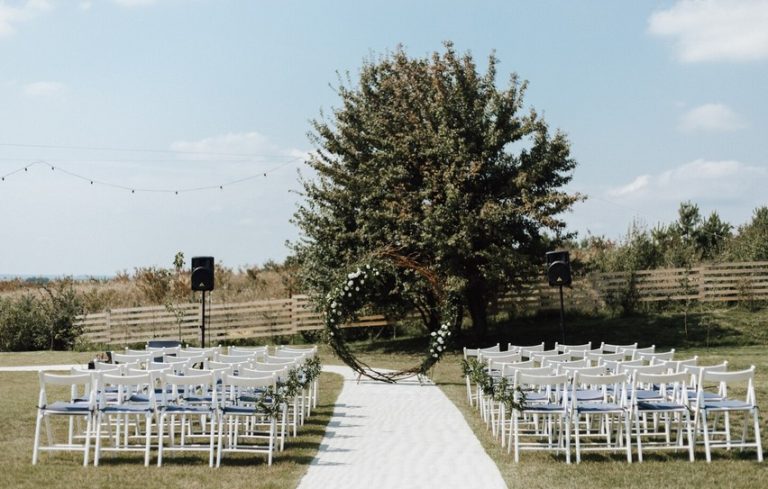
An outdoor summer wedding can be beautiful, but warm weather and unexpected rain can create challenges. Planning for different conditions will help you and your guests feel more comfortable.
Have a backup plan for rain. Ask your venue what happens if the weather doesn’t cooperate. An indoor ceremony space or a suitable tent may be necessary, depending on your location and arrangements.
Keep guests cool. Provide shaded seating and access to drinking water. Handheld fans, parasols, and chilled towels can also be thoughtful additions for an outdoor ceremony.
Choose your ceremony time carefully. If possible, avoid scheduling an outdoor ceremony during the hottest part of the day. Consider the needs of older guests, children, and anyone who may have difficulty tolerating the heat.
Think about insects. Mosquitoes and other insects can be a nuisance during outdoor evening celebrations. Ask your venue about pest control and consider making insect repellent available.
Consider your menu. Lighter dishes and refreshing non-alcoholic beverages can be welcome additions during hot weather. Make sure food can be stored and served safely in summer temperatures.
A little preparation can make a significant difference to the comfort of everyone attending your celebration.
Communicate and Share the Responsibilities
Wedding planning involves many decisions, and it can become frustrating when one person feels responsible for everything.
Make time to discuss your ideas, concerns, and expectations with your partner. Decide together which tasks need to be completed and divide the responsibilities according to your interests, availability, and strengths.
You don’t have to agree on every detail immediately. Listen to each other’s preferences and look for solutions that work for both of you.
It’s also important to establish boundaries with family members who want to help. Their suggestions may be well intentioned, but you and your partner should feel comfortable making the final decisions about your own wedding.
If friends or family offer assistance, give them specific tasks rather than trying to manage everything yourself. If your budget allows, a wedding planner or day-of coordinator may also help with vendor communication and logistics.
Make Time for Each Other
When you’re busy planning a wedding, it’s easy for every conversation to revolve around the guest list, venue, invitations, or next appointment.
Make a conscious effort to spend time together without discussing wedding arrangements. Enjoy a date night, take a walk, watch a favourite movie, or do something you both enjoy.
Your engagement is an important chapter in your relationship, and it deserves to be enjoyed rather than spent entirely managing a long list of tasks.
If planning starts to feel overwhelming, take a short break and return to your checklist when you’re ready. Not every decision needs to be made immediately.
Accept That Not Everything Will Be Perfect
Even with careful planning, unexpected things can happen. A preferred vendor may be unavailable, the weather may change, or a detail may not turn out exactly as you imagined.
Try to keep these small setbacks in perspective. Your wedding doesn’t have to look like a magazine spread or match every photograph you’ve saved for inspiration.
What matters is creating a celebration that feels right for you and your partner. Some of the most memorable moments may be the unplanned ones, from a heartfelt speech to laughter on the dance floor.
Set realistic expectations, focus on what you can control, and remember why you’re celebrating in the first place.
Enjoy the Journey to Your Wedding Day

Wedding planning involves plenty of decisions, but it can also be an opportunity to discover more about each other, learn how to work as a team, and create a shared vision for your future.
Start with a realistic budget, keep your plans organized, book important services early, and make time to enjoy your engagement. When challenges arise, remind yourselves that the goal isn’t to create a flawless event. It’s to celebrate your commitment to one another.
Whether you’re planning a relaxed backyard gathering, an outdoor summer ceremony, or a traditional wedding with family and friends, the most meaningful celebration is one that reflects your love and the life you’re building together.
Happy planning!