
Better Posture After 50: Simple Ways to Stand Taller
7 min read
1341 words
Many of us notice changes in the way we stand and move as we get older. These changes often begin with small things, such as shoulders that naturally round forward, feeling stiff after spending too much time at a computer, or realizing that standing tall does not feel as effortless as it once did. Have you ever noticed the way a cat walks? With every step, they seem to move with balance, confidence, and a natural sense of grace. Their head is held high, their body moves smoothly, and they never appear to be rushing or slouching. While we may not have a tail to complete the look, we can take inspiration from that confident stride. Our daily habits can have a bigger impact on posture than we may realize. Hours spent sitting at a desk, looking down at smartphones, driving, gardening, or repeating the same movements each day can gradually affect the way our bodies hold themselves. The good news is that better posture is possible at any age. Having good posture is not about forcing yourself into a stiff, unnatural position or trying to look perfect. It is about supporting your body so you can move comfortably, maintain balance, and enjoy everyday activities with greater ease.
Learning how to improve posture can help support mobility, confidence, and independence as we get older. So, stand a little taller, roll your shoulders back, and take your next step with the confidence of a cat walking across a room.
Why Does Posture Change As We Age?
As we move through our 50s and beyond, several natural changes can influence our posture. Understanding why these changes happen can help us make simple adjustments to support better alignment.
One common factor is a gradual loss of muscle strength. The muscles in our back, shoulders, and core play an important role in keeping us upright. When these muscles become weaker, it can become harder to maintain a comfortable standing position, and the shoulders may begin to round forward.
Flexibility can also change over time. Tight muscles in the chest, hips, and front of the body can pull us out of alignment and contribute to stiffness.
Lifestyle habits are another major factor. Many of us spend more time sitting than previous generations. Long periods of sitting can cause tight hip muscles, weaker glutes, and reduced movement throughout the day. Looking down at phones, tablets, or laptops can also contribute to a forward head position, sometimes referred to as “tech neck.”
Posture is connected to the entire body. Your core, back, hips, shoulders, and neck all work together to help you stand and move properly. When one area becomes weak or tight, other parts of the body often compensate.
Signs You May Need to Work on Your Posture
Poor posture does not always happen overnight. Often, your body gives you warning signs that it needs more support.
You may benefit from focusing on posture improvement if you notice:
- Rounded shoulders that sit forward
- A forward head position where your ears sit ahead of your shoulders
- Frequent neck tension or headaches
- Back discomfort after sitting or standing
- Feeling stiff after being in one position
- Difficulty standing comfortably for long periods
- Feeling less balanced while walking
Improving posture is not about making dramatic changes all at once. Small, consistent habits can make a noticeable difference over time.
Simple Daily Habits for Better Posture
Improving your posture does not require hours at the gym. Many small changes can be added to your regular routine.
1. Pay Attention to How You Sit
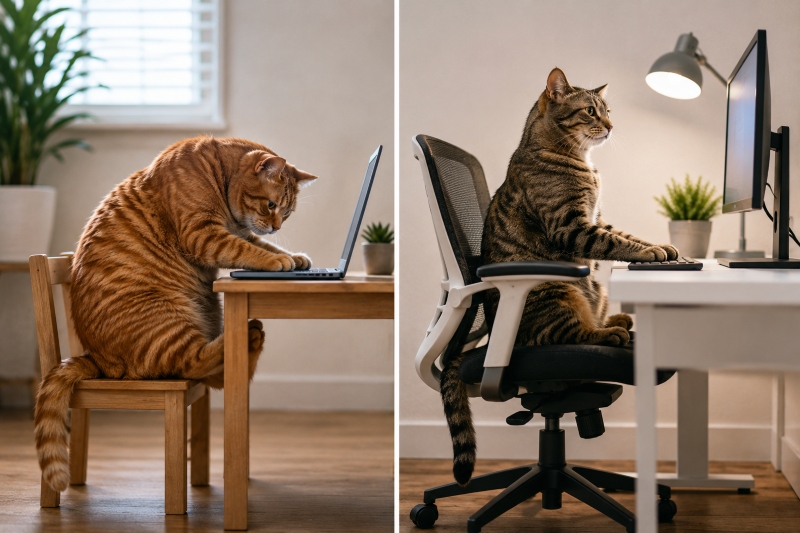
Since many of us spend several hours sitting each day, our sitting habits matter.
Try to keep your feet flat on the floor and avoid staying in the same position for too long. While comfortable couches are relaxing, they can sometimes encourage slouching if you sit in them for extended periods.
If you use a computer, adjust your screen so you are looking straight ahead instead of constantly bending your neck downward. Taking short movement breaks throughout the day can help reduce stiffness and remind your body to reset.
Even standing up for a few minutes, stretching, or walking around the room can help.
2. Strengthen Your Core
Your core muscles provide important support for your spine. A stronger core can make everyday movements easier, from carrying groceries to getting up from a chair.
You do not need intense workouts to build core strength. Gentle exercises such as walking, bridges, bird dogs, and beginner Pilates movements can help improve stability while being kind to your joints.
Strength training becomes especially valuable as we age because maintaining muscle helps support balance, mobility, and independence.
3. Stretch Tight Muscles
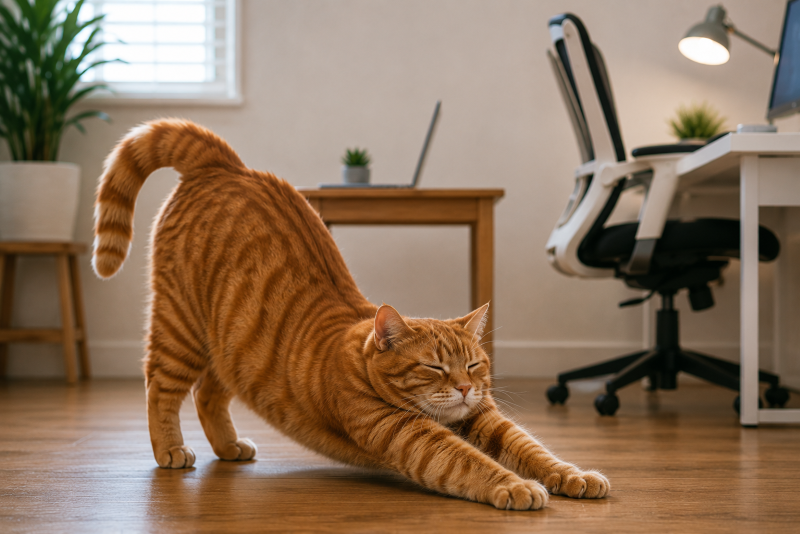
Posture issues are not always caused by weak muscles. Tight muscles can also affect the way we stand and move.
Stretching areas such as the chest, shoulders, hips, and neck can help counteract the effects of sitting and daily activities that pull the body forward.
Simple movements like shoulder rolls, chest stretches, and gentle hip stretches can help you feel less stiff and more comfortable throughout the day.
4. Improve Your Walking Posture

Walking is one of the best forms of exercise because it is accessible, gentle, and easy to include in your daily routine.
When walking, try to look ahead rather than down at the ground. Keep your chin level, relax your shoulders, and allow your arms to swing naturally.
Your walking posture does not need to be perfect. The goal is to move in a way that feels comfortable, balanced, and natural.
5. Choose Supportive Footwear
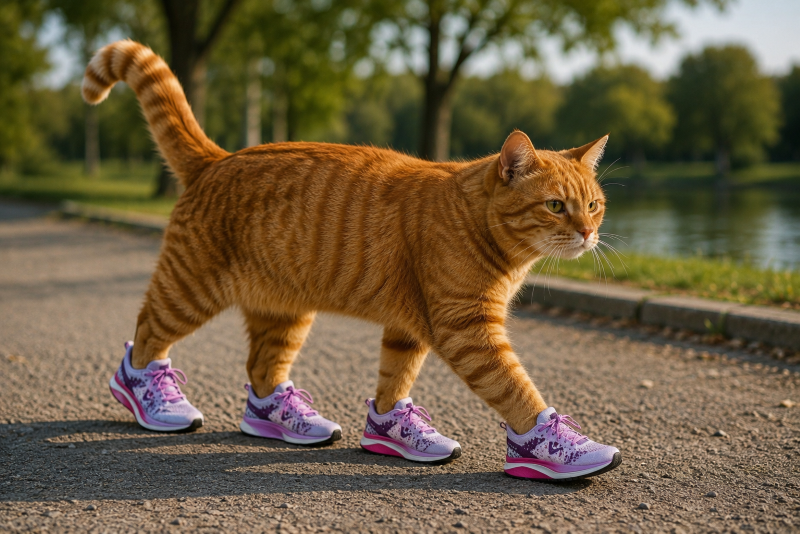
Your feet are the foundation of your body. The shoes you wear can affect your alignment, balance, and comfort.
Shoes that do not fit properly or lack support may change the way you walk, which can place additional stress on your knees, hips, and back.
When choosing walking footwear, look for comfort, proper support, and a design that encourages natural movement. Supportive shoes, such as MBT shoes, are designed to promote a more balanced stride. Learn more about how footwear can influence movement and wellness in our article How Revolutionary Footwear Can Transform Your Health.
While shoes alone cannot correct posture, the right pair can support healthy movement habits.
Posture Exercises You Can Do at Home
Consistency is more important than intensity when it comes to posture exercises. Try adding these simple movements to your routine a few times each week.
Wall Angels
Stand with your back against a wall and gently move your arms up and down while keeping contact with the wall. This exercise helps open the chest and strengthen muscles that support better posture.
Shoulder Blade Squeezes
Sit or stand tall and gently squeeze your shoulder blades together. Hold for a few seconds, then relax. This helps strengthen the upper back muscles that support upright posture.
Standing Chest Stretch
Place your forearm against a doorway and gently lean forward. This helps stretch tight chest muscles that can contribute to rounded shoulders.
Heel Raises
Hold onto a sturdy chair and slowly rise onto your toes before lowering back down. This simple exercise helps strengthen your lower legs and improve stability.
Balance Exercises
Practice standing on one leg while holding onto a counter or chair for support. Good balance is an important part of maintaining an upright posture while moving.
Better Posture Is About Feeling Better

Improving posture is not about reversing the aging process or finding a quick fix. It is about making small, intentional changes that help your body move more comfortably.
When you stand taller, you may notice that everyday activities feel easier. Better posture can help you move with confidence, support balance, and maintain the active lifestyle you enjoy.
By focusing on strength, flexibility, movement, and supportive footwear, you are investing in your long-term health and mobility.
Start with one small change today. Your body will appreciate the care you give it for years to come.
Note: If you have ongoing pain, balance concerns, or existing back or joint conditions, speak with a healthcare professional or physical therapist before starting a new exercise routine.






I always try to keep my posture in check. It really makes a difference in how I feel.