Guide to Choosing the Perfect Wedding Rings
8 min read
1408 words
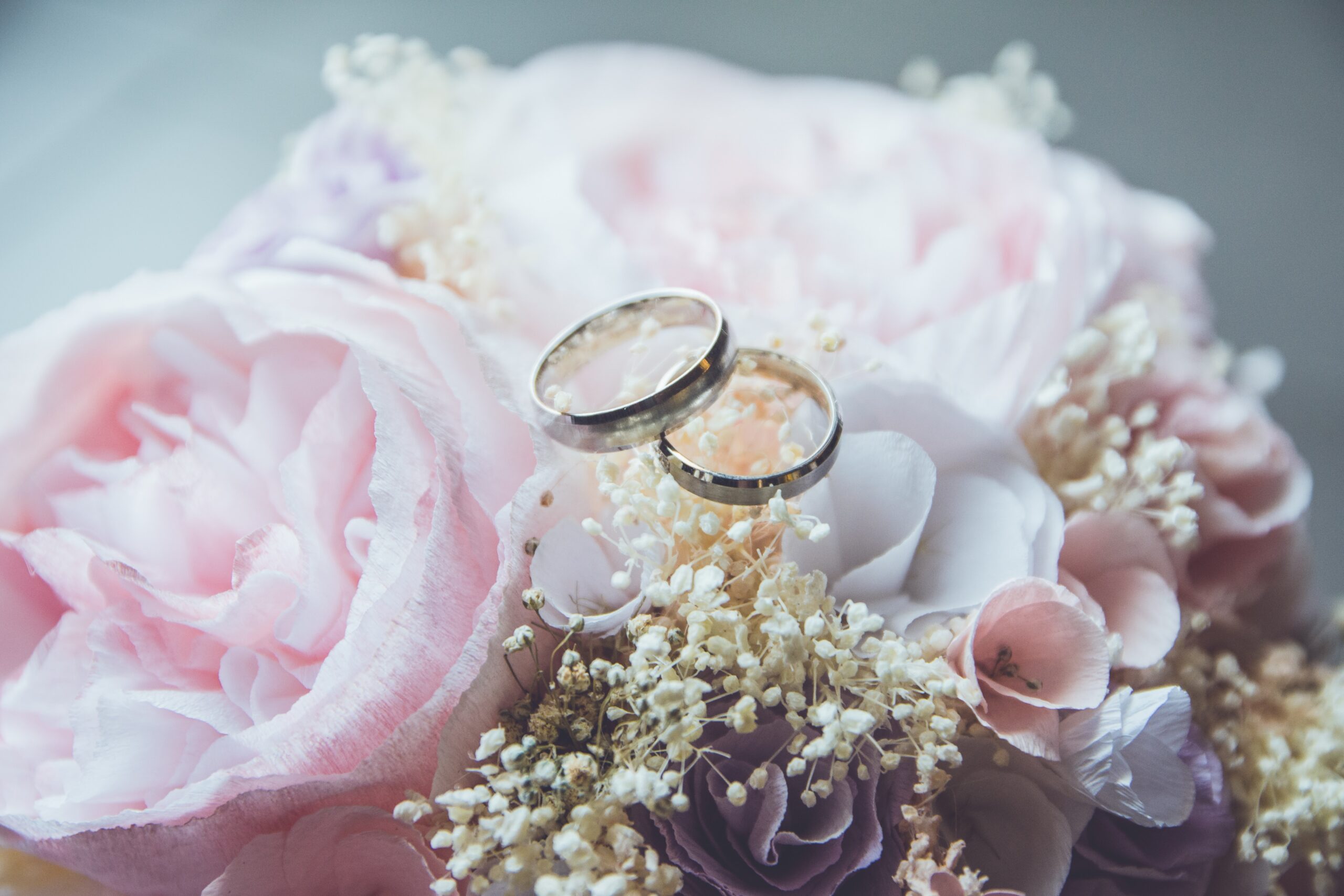
Congratulations! You’ve said “yes” to forever, and now the exciting journey of planning your wedding begins. Amidst the joyous anticipation and countless decisions, one truly significant choice stands out: selecting your wedding rings. These aren’t just beautiful pieces of jewelry; they are profound symbols of your enduring love, commitment, and the promise you make to each other. You’ll wear them every day, a constant reminder of your special bond. We understand that choosing the right wedding rings can feel overwhelming with so many options available. But don’t worry, we’re here to help! By breaking down the process into a few key considerations, you can make this meaningful shopping trip smoother, more enjoyable, and ultimately, find the perfect rings that resonate with your unique love story.
Let’s explore three essential things to consider when embarking on this cherished endeavor.
1. Budget & Materials: Laying the Foundation for Your Forever Ring
Before you even step into a jewelry store, the very first step is to have an open and honest conversation with your partner about your budget. Knowing your comfortable price range upfront is incredibly important. It will help you narrow down your options efficiently, ensuring you don’t fall in love with a ring that’s beyond your financial reach. Remember, your wedding rings are an investment in your future, but they shouldn’t cause undue financial stress.
Once your budget is established, it’s time to delve into the fascinating world of wedding ring materials. Each metal offers unique characteristics in terms of durability, appearance, and cost.
- Gold (Yellow, White, Rose): A Timeless & Versatile Choice
- Yellow Gold: The traditional and classic choice, beloved for its warm, rich hue.
- White Gold: A popular modern alternative, offering a bright, silvery-white look. It’s typically an alloy of pure gold mixed with white metals like palladium or nickel, and often rhodium-plated for extra brilliance and protection. This plating may need reapplication every few years to maintain its luster.
- Rose Gold: Gaining immense popularity, rose gold gets its romantic pinkish tint from an alloy of gold and copper. It offers a unique, vintage-inspired aesthetic.
- Karat Purity: Gold purity is measured in karats (k). 24k is pure gold, but it’s very soft. Common choices for wedding rings are 18k (75% pure gold, more vibrant color, softer) and 14k (58.3% pure gold, more durable, slightly lighter color). Higher karat gold is generally more expensive.
- Platinum: The Pinnacle of Durability & Hypoallergenic Luxury
- Known for its bright white luster, platinum is a naturally white metal that will not tarnish or change color.
- It’s incredibly durable and dense, making it resistant to wear and tear. While it can scratch (creating a patina), the metal is merely displaced, not lost, unlike gold.
- Platinum is also hypoallergenic, making it an excellent choice for those with sensitive skin. It’s typically more expensive than gold due to its rarity and density.
- Palladium: A Lighter, More Affordable White Metal
- Part of the platinum family, palladium shares many of platinum’s desirable qualities. It’s naturally white, hypoallergenic, and durable.
- It’s less dense than platinum, making it lighter and often more affordable. However, it has become less common in recent years due to market fluctuations.
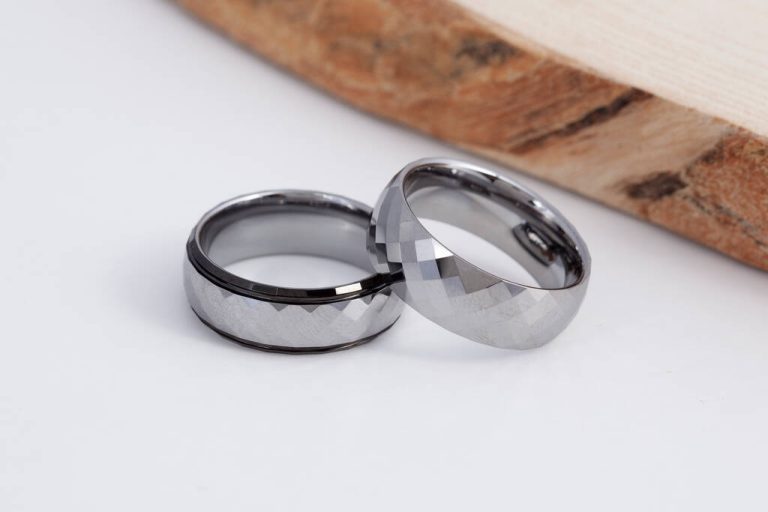
- Alternative Metals (Tungsten, Titanium, Cobalt, Black Zirconium): Modern Strength for Active Lifestyles
- These metals are fantastic budget-friendly options, known for their exceptional durability and resistance to scratching, making them ideal for active individuals.
- Tungsten: Extremely hard and scratch-resistant, tungsten carbide rings maintain their polish beautifully.
- Titanium: Lightweight, strong, and hypoallergenic, titanium rings are very comfortable to wear.
- Cobalt Chrome: Offers a bright white finish, similar to platinum, with excellent durability and scratch resistance. It’s also hypoallergenic.
- Important Note: Rings made from these alternative metals are often impossible to resize due to their extreme hardness. Make sure to get your sizing absolutely perfect!
Knowing your budget and preferred material will significantly streamline your search for the perfect wedding rings.
2. Style & Design: Reflecting Your Unique Love Story
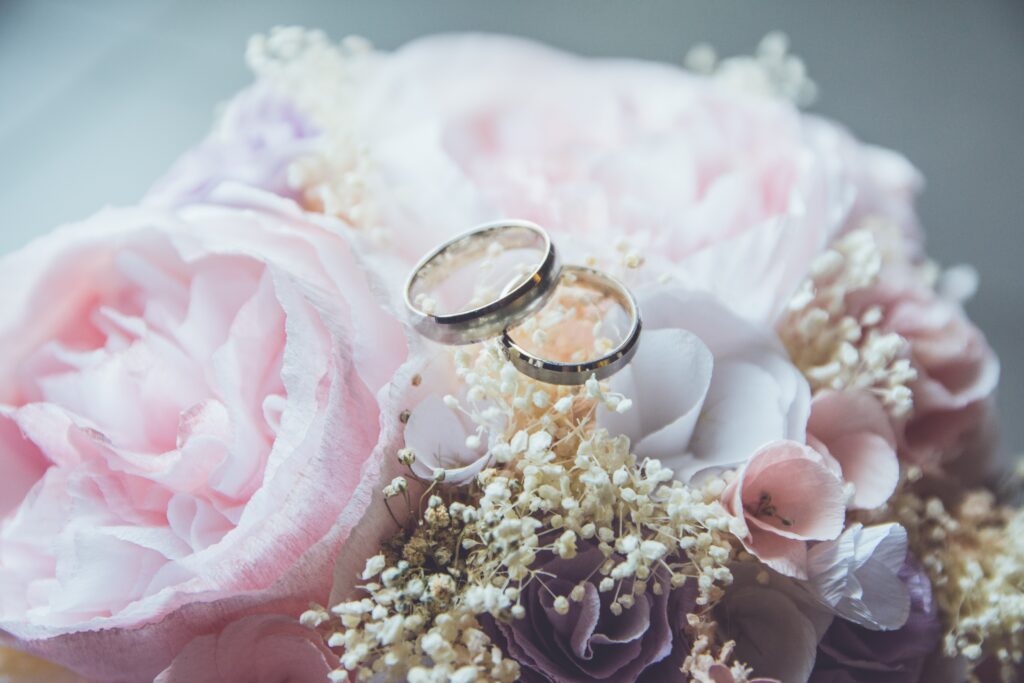
Your wedding rings are an extension of your personal style and a reflection of your unique relationship. While they should be beautiful on their own, it’s also important to consider how your wedding band will complement your engagement ring, especially if you plan to wear them together.
Explore these popular styles and design elements to find what truly resonates with you:
- Classic Bands: Timeless Elegance & Simplicity
- The epitome of tradition, a classic plain band is simple, elegant, and incredibly versatile. It’s a choice that transcends trends and offers timeless beauty, suitable for everyone.
- They come in various widths and finishes (polished, brushed, matte) that can subtly change their character.
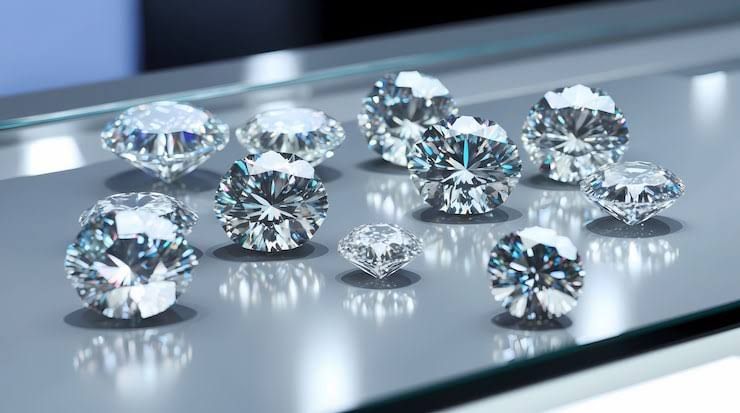
- Diamond Accents: Adding Sparkle & Sophistication
- For those who desire extra brilliance, wedding rings with diamond accents are a stunning choice.
- Pave Settings: Small diamonds set closely together create a continuous sparkle.
- Channel Set: Diamonds are set within a channel, offering a smooth surface and protection for the stones.
- Single Diamond: A subtle touch of sparkle with one or a few strategically placed diamonds.
- Consider how these accents will sit alongside your engagement ring’s design.
- Engravings: Personalizing Your Symbol of Love
- Make your rings truly unique with a personalized engraving. This could be your wedding date, a special phrase, your initials, or even a fingerprint.
- Engravings add a deeply personal and sentimental touch, turning your ring into an even more cherished keepsake.
- Matching Sets & Contoured Bands: A Harmonious Duo
- Many couples opt for matching wedding rings to symbolize their unity and cohesive journey. These sets often feature similar materials, widths, or design motifs.
- For brides, a contoured or curved wedding band is often designed to perfectly nestle against a unique engagement ring shape, ensuring a seamless and comfortable fit without any gaps.
- Don’t be afraid to mix and match! Some couples prefer complementary but not identical rings, reflecting individual personalities while still maintaining a harmonious aesthetic.
Don’t rush this part of the process. Try on various styles, see what feels right, and envision wearing these rings for decades to come.
3. Comfort & Fit: A Ring You’ll Love to Wear Every Day
You’ll be wearing your wedding ring daily, often for the rest of your life. Because of this, comfort is paramount. A beautifully designed ring won’t be cherished if it constantly feels uncomfortable.
Here’s what to consider for optimal comfort and fit:
- Band Width: Finding Your Ideal Balance
- Wedding bands come in various widths, typically ranging from 2mm to 8mm or more.
- Thinner bands (2-4mm) can feel light and delicate but might be less durable for active lifestyles. They often pair well with petite engagement rings.
- Wider bands (5-8mm+) make more of a statement and offer enhanced durability. However, they can sometimes feel bulky, especially for smaller hands.
- Try on different widths to see what feels comfortable and proportionate on your finger.
- Profile: The Secret to All-Day Wearability (Comfort Fit)
- The “profile” refers to the shape of the ring’s inner and outer surfaces.
- Traditional Fit: These rings have a flat inner surface.
- Comfort Fit: This increasingly popular profile features a slightly rounded or domed inner surface. This design reduces skin contact, allowing for easier sliding over the knuckle and preventing pinching, making the ring significantly more comfortable for everyday wear. It’s highly recommended, especially for wider bands.
- Sizing: The Non-Negotiable Step for a Perfect Fit
- Professional Sizing is Key: Always get professionally sized by a reputable jeweler. This is not a step to skip!
- Consider Fluctuations: Your finger size can fluctuate throughout the day and year due to temperature, humidity, diet, and activity levels. It’s often recommended to get sized when your body temperature is normal and not after strenuous activity. Try on rings multiple times under different conditions if possible.
- Engagement Ring Impact: If you’ll be wearing your wedding band next to your engagement ring, try them on together. The engagement ring can sometimes affect the comfortable size of the wedding band.
- A well-fitting ring should slide over your knuckle with a little resistance but not feel tight once it’s on your finger. It should also not slip off too easily.
Ultimately, the best wedding ring is one that you absolutely adore, fits perfectly, and feels comfortable against your skin day in and day out. Take your time, explore all your options, and most importantly, enjoy every moment of this special process. Choosing your wedding rings is a beautiful symbol of your commitment and a cherished reminder of your journey together and the incredible day you say “I do.” Happy shopping!