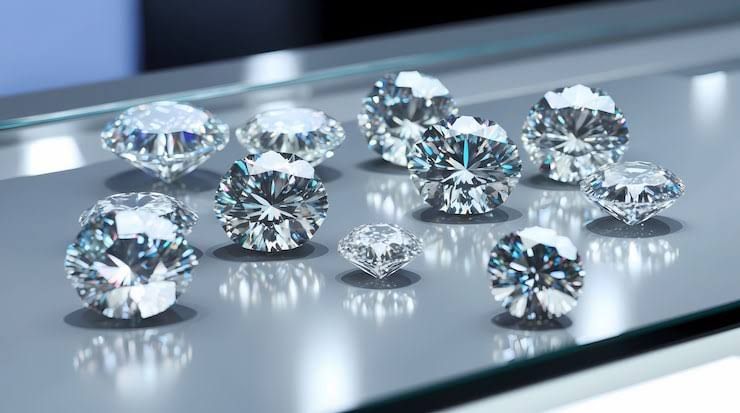
Lab Grown Diamonds Explained: Are They Worth Buying?
8 min read
1570 words
Diamonds have long represented some of life’s most meaningful moments. They are chosen to celebrate engagements, anniversaries, milestones, and the special people we love. For generations, many believed that a diamond had to come from deep within the earth to hold that special meaning. Today, shoppers have more choices than ever before. The growing popularity of lab grown diamonds has opened the door to a new way of thinking about diamond jewelry. These modern gems offer the same beauty and durability as mined diamonds while providing a more affordable option for many buyers.
For some people, choosing a diamond is about tradition and the story behind a naturally formed stone. For others, it is about finding a beautiful piece of jewelry that fits their budget, values, and lifestyle.
So, are lab grown diamonds worth buying? The answer depends on what matters most to you.
What Are Lab Grown Diamonds?
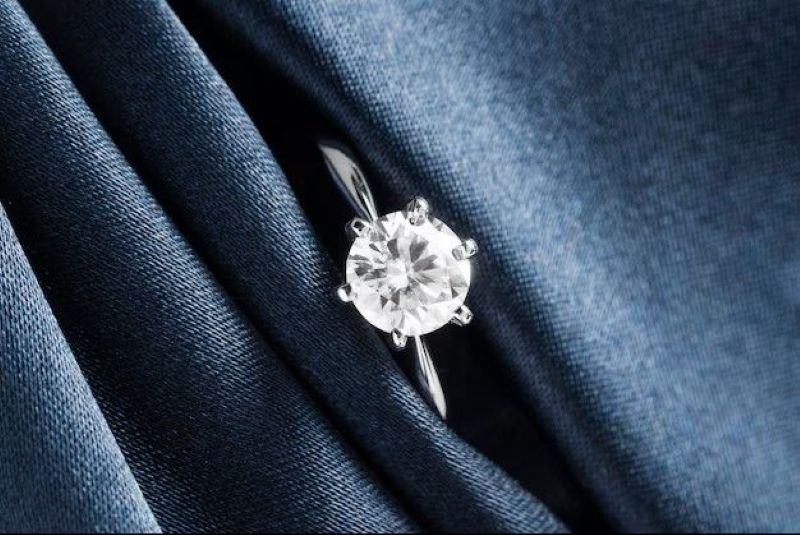
Lab grown diamonds are real diamonds created in a controlled laboratory environment instead of forming naturally deep within the Earth over billions of years.
Many shoppers wonder, “Are lab grown diamonds real?” The answer is yes. They are not fake diamonds or diamond look-alikes.
Unlike diamond simulants such as cubic zirconia or moissanite, lab grown diamonds have the same:
- Chemical composition as mined diamonds
- Crystal structure
- Hardness and durability
- Sparkle and brilliance
The main difference between the two is their origin.
A mined diamond is created through natural geological processes, while a lab grown diamond is created using advanced technology that recreates those conditions.
How Are Lab Grown Diamonds Made?
Scientists use advanced technology to recreate the conditions needed for diamond formation. There are two main methods used to create lab grown diamonds.
1. Chemical Vapor Deposition (CVD)
During the CVD process, a small diamond seed is placed inside a controlled chamber. Carbon-rich gases are introduced, and energy is used to break the gases apart. Carbon atoms then build up layer by layer until a diamond crystal forms.
2. High Pressure High Temperature (HPHT)
The HPHT process recreates the extreme heat and pressure found deep inside the Earth. Carbon is exposed to intense conditions until it crystallizes into a diamond.
Once created, lab grown diamonds are cut, polished, and graded using many of the same techniques used for mined diamonds.
Lab Grown Diamonds vs. Mined Diamonds
When comparing lab grown diamonds and mined diamonds, it is important to understand that both can create beautiful, meaningful jewelry.
Cost
One of the biggest reasons people consider lab grown diamonds is affordability.
Because they can be produced in a controlled environment, lab grown diamonds are generally less expensive than comparable mined diamonds. This may allow buyers to choose:
- A larger diamond
- A higher-quality cut
- A more detailed setting
- A custom design that fits their personal style
For couples managing wedding expenses, saving for a home, or planning their future together, this price difference can make a meaningful impact.
Beauty and Quality
A common question shoppers ask is whether a lab grown diamond looks different from a mined diamond.
To the eye, the answer is no. Both types of diamonds can have the same beautiful sparkle, brilliance, and fire. The appearance of any diamond depends largely on the famous 4Cs:
- Cut
- Colour
- Clarity
- Carat
A well-cut diamond, whether lab grown or mined, can be a stunning choice for a meaningful piece of jewelry.
Environmental and Ethical Considerations
For some shoppers, the origin of a diamond is an important part of the decision-making process.
Traditional diamond mining involves removing materials from the earth and can have environmental impacts. Lab grown diamonds are created in controlled facilities, which appeals to people looking for a different option.
However, lab grown diamonds are not completely impact-free. Creating diamonds in a laboratory requires energy, and the overall environmental footprint depends on factors such as how that energy is produced.
For many buyers, the appeal comes from having another choice and being able to select a diamond that aligns with their personal values.
Are Lab Grown Diamonds a Good Investment?

This is one area where it is important to be realistic.
Most people do not buy jewelry only because of its future resale value. They purchase it because of what it represents: love, memories, milestones, and important moments in life.
Lab grown diamonds generally do not hold their resale value in the same way some rare natural diamonds may. Since they can be produced as technology advances, their market prices may continue to change.
However, the emotional value of a diamond often matters far more than its financial value.
A ring worn during a marriage, a necklace given for a special anniversary, or a piece purchased to celebrate a personal achievement carries a meaning that cannot always be measured in dollars.
Benefits of Choosing Lab Grown Diamonds
There are several reasons why many shoppers are choosing lab grown diamonds:
- More Affordable: Buyers can often purchase a larger stone or higher quality diamond while staying within their budget.
- Real Diamond Beauty: Lab grown diamonds have the same physical properties as mined diamonds, including durability and brilliance.
- More Design Options: Savings may allow buyers to select unique settings, custom designs, or additional details.
- Modern Choice: They appeal to shoppers who value technology, transparency, and having more options.
Potential Drawbacks of Lab Grown Diamonds
While lab grown diamonds offer many advantages, there are also a few things buyers should consider.
- Lower Resale Value: They typically do not maintain resale value like some rare natural diamonds.
- Traditional Appeal: Some people love the history, rarity, and natural formation of a diamond created deep within the Earth over billions of years.
The best choice depends on what is personally meaningful to you.
Are Lab Grown Diamonds Good for Engagement Rings?
For many couples, lab grown diamonds are an excellent choice for engagement rings.
They offer:
- The beauty and durability of a real diamond
- A more affordable way to purchase a meaningful ring
- The ability to choose a larger stone or more detailed design
- An option that reflects modern values
An engagement ring is a symbol of love and commitment. Choosing a lab grown diamond does not make that symbol any less special.
For some couples, saving money on a ring allows them to focus on other important life goals, such as buying a home, travelling together, or building their future.
What to Look For When Buying a Lab Grown Diamond
If you decide a lab grown diamond is right for you, these tips can help you make a confident purchase:
Choose Certification
Look for diamonds that have been graded by a reputable independent gemological laboratory. Certification provides important information about the diamond’s quality and characteristics.
Prioritize the Cut
The cut of a diamond has one of the biggest impacts on its sparkle. A well-cut diamond can appear brighter and more beautiful.
Understand the 4Cs
Learn how colour, clarity, carat, and cut affect the appearance and price of a diamond. The highest grade is not always necessary to find a beautiful stone.
Buy From a Trusted Seller
Choose a jeweller who offers:
- Clear return policies
- Warranty information
- Transparent pricing
- Detailed diamond information
Frequently Asked Questions About Lab Grown Diamonds
Are lab grown diamonds fake?
No. Lab grown diamonds are real diamonds. They have the same chemical composition, crystal structure, and physical properties as mined diamonds. The difference is that they are created in a laboratory instead of forming naturally underground.
Do lab grown diamonds sparkle like natural diamonds?
Yes. Lab grown diamonds can sparkle just like mined diamonds because they have the same optical properties. The amount of brilliance depends mainly on the quality of the cut rather than whether the diamond was grown in a lab or mined from the earth.
Can you tell the difference between a lab grown diamond and a mined diamond?
Most people cannot tell the difference by simply looking at them. Specialized gemological equipment is needed to identify whether a diamond was created in a laboratory or naturally formed.
Do lab grown diamonds last?
Yes. Lab grown diamonds are extremely durable and rank 10 on the Mohs hardness scale, making them suitable for everyday jewelry such as engagement rings, necklaces, and earrings.
Are lab grown diamonds worth buying?
For many people, yes. Lab grown diamonds offer the beauty, durability, and sparkle of a real diamond while providing a more affordable option. They can be an excellent choice for shoppers who want a meaningful piece of jewelry that fits their budget and lifestyle.
Choosing the Diamond That Feels Right for You
Buying a diamond is a deeply personal decision. For some people, the tradition, rarity, and natural history of a mined diamond will always hold special meaning. For others, a lab grown diamond offers the perfect combination of beauty, affordability, and modern values.
There is no single choice that is right for everyone. The most important thing is choosing a diamond that reflects your unique story, personal priorities, and the memories you hope to create together.
Once you have chosen the perfect diamond, the engagement ring setting can help bring your vision to life. Whether you are drawn to the timeless beauty of a prong setting, the elegance of a Tiffany setting, the sparkle of a pavé design, or the dramatic beauty of a halo setting, understanding your options can make the decision easier. For more inspiration, explore our guide on different engagement ring settings to discover styles that beautifully showcase your diamond.