National Child Day – Small Voice, Big Dream survey
12 min read
2231 words
November 20th holds a profound significance across the globe. In 1993, the United Nations officially declared this day as National Child Day – a dedicated moment to consciously promote and celebrate the rights and well-being of children everywhere. It’s more than just a date on a calendar; it’s an annual, vital reminder that children are not merely miniature adults-in-waiting, but rather distinct individuals. They possess their own unique voices, harbor extraordinary dreams, and hold aspirations as valid and compelling as any adult’s. This recognition, though seemingly simple, forms the bedrock of a society that truly values its future.
In the spirit of this crucial observance, the “Small Voice, Big Dream” survey report for 2015 emerged as a powerful testament to the importance of listening. This initiative was designed to do precisely what its name suggests: to gauge children’s perspectives on a myriad of issues directly affecting their lives. Its findings, though nearly a decade old, offer timeless insights into the evolving landscape of childhood and the enduring necessity of treating children as active participants in their own journey and the world around them.
The Irrefutable Importance of Listening to Children

At the heart of National Child Day and indeed, any progressive society, lies a fundamental truth: it is absolutely crucial to listen to children and genuinely consider their opinions when making decisions that impact their lives. This isn’t merely a benevolent act; it’s a foundational principle for fostering healthy development and a just society. By consciously and consistently giving children a platform for their voices, we embark on a transformative journey. We empower them – not just to speak, but to truly express their thoughts, articulate their feelings, and share their innovative ideas without fear of judgment or dismissal.
This empowerment is a catalyst for immense personal growth. When children feel heard, it cultivates a profound sense of agency and autonomy within them. Agency, the belief in one’s ability to influence events and outcomes, and autonomy, the capacity to make informed choices, are cornerstones of a resilient and capable individual. These qualities are not just beneficial; they are absolutely essential for their holistic development and overall well-being. A child who learns their voice matters is a child who grows up believing they can make a difference, who isn’t afraid to challenge injustice, and who is confident in their own identity.
The “Small Voice, Big Dream” survey report for 2015 was a pioneering effort to translate this principle into action. Its primary objective was to amplify children’s voices, ensuring they were not just heard, but thoroughly documented and understood. By meticulously gathering their experiences and perspectives, the report aimed to shed a much-needed light on the realities of childhood, directly from those living it. This approach moves beyond theoretical discussions about children’s needs and dives into the lived experiences, offering invaluable data to guide policy, programming, and everyday interactions.
Furthermore, the act of listening to children carries significant psychological benefits. When adults validate a child’s feelings and thoughts, it builds trust and strengthens relationships. Children learn to process emotions, articulate their needs, and develop critical thinking skills as they engage in meaningful dialogue. Conversely, environments where children’s voices are routinely ignored can lead to feelings of insignificance, anxiety, or resentment, potentially hindering their emotional and social development. It’s a powerful tool in fostering empathy, creativity, and problem-solving abilities within the younger generation, preparing them to navigate a complex world with confidence and compassion.
The United Nations Convention on the Rights of the Child (CRC), ratified by nearly every country in the world, explicitly enshrines the right of children to express their views freely on all matters affecting them (Article 12). This isn’t a mere suggestion; it’s a binding commitment. The “Small Voice, Big Dream” report, therefore, wasn’t just a survey; it was a tangible demonstration of honoring this fundamental right, showcasing how real-world data can emerge when we commit to truly listening. It underscores that child participation is not just a ‘nice to have,’ but a critical component of human rights and democratic principles, extending even to our youngest citizens.
Key Findings and Enduring Concerns from the Survey Report
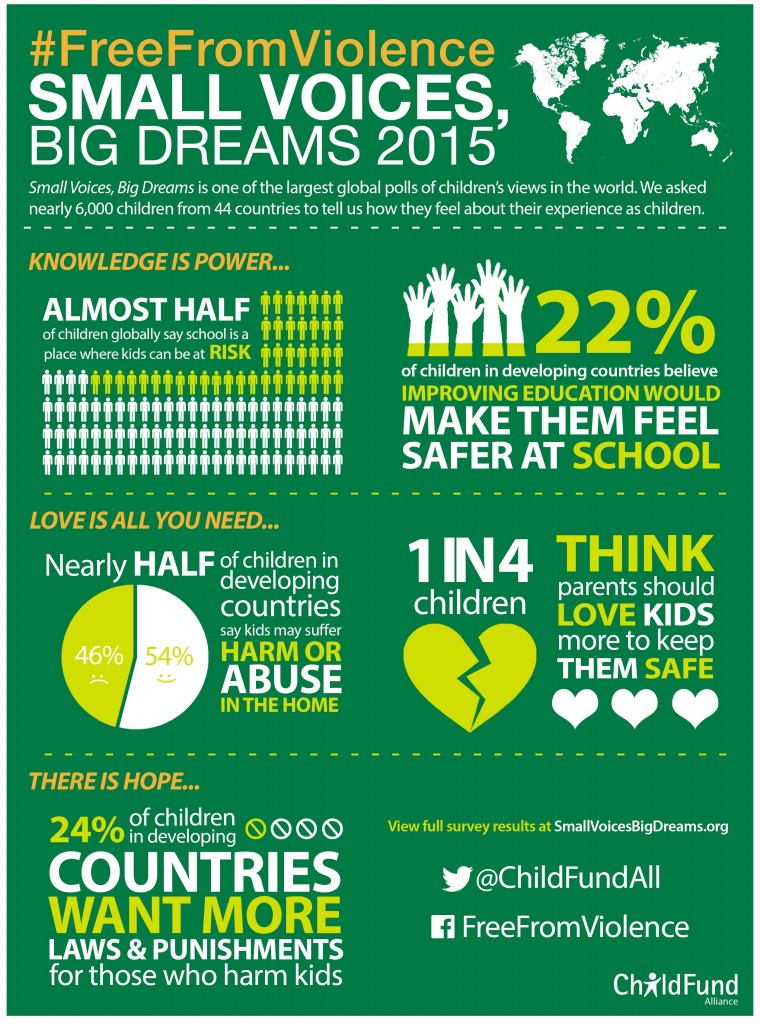
The “Small Voice, Big Dream” survey report for 2015 offered genuinely insightful findings, painting a vivid picture of children’s experiences and concerns from their own vantage point. These findings, even years later, resonate deeply and continue to inform our understanding of what children need to thrive.
One of the most compelling insights was the widespread desire among children for more opportunities to participate actively in decision-making processes that directly affect them. This wasn’t a casual preference; it was a clear articulation of a fundamental yearning to have a say in their own lives and futures. This finding highlights an essential truth: children want to be active agents, not passive recipients, of decisions made on their behalf. They instinctively understand that the best solutions often come from those most directly impacted by a problem.
This desire for participation extends across various domains of their lives. In schools, children expressed a wish to contribute to classroom rules, curriculum design, or even school-wide initiatives. In their communities, they sought avenues to voice opinions on local parks, safety measures, or youth programs. And at a broader level, many children, even at a young age, showed an awareness and interest in influencing policy-making forums that shape their environment and future. This speaks to the immense potential that remains untapped when we don’t actively create and nurture these spaces for child participation. Encouraging this involvement early on can cultivate a stronger sense of civic responsibility and equip them with the skills to become engaged and informed adults.
Another critically important finding from the survey report was children’s unanimous identification of education as a top priority. This wasn’t surprising, perhaps, but the emphasis they placed on the quality and accessibility of education was particularly noteworthy. Children articulated a clear need for learning environments that are not just available, but also engaging, relevant, and equitable for all. They understood that quality education goes beyond mere literacy and numeracy; it encompasses critical thinking, creativity, digital literacy, and life skills that prepare them for an ever-changing world. The call for accessible education underscored their awareness of disparities – that not every child has the same opportunity, whether due to financial constraints, geographical barriers, disability, or other forms of marginalization. This aligns perfectly with Sustainable Development Goal 4: Quality Education, which advocates for inclusive and equitable quality education and lifelong learning opportunities for all.
Furthermore, the survey brought to the forefront children’s deep concerns about pervasive societal issues such as poverty, violence, and discrimination. These aren’t abstract concepts to children; they are often lived realities or deeply felt anxieties.
- Poverty: Children eloquently spoke about how poverty affects not just their ability to afford toys or treats, but their access to nutritious food, adequate healthcare, warm clothing, and stable housing. They understood its insidious impact on their daily lives, their capacity to learn, and their future prospects. The cyclical nature of poverty, and its intergenerational effects, often observed through their young eyes, highlighted the urgent need for comprehensive strategies to break these cycles.
- Violence: Their concerns about violence were broad, encompassing not just physical harm but also emotional abuse, bullying (both in person and online), and exposure to domestic violence or community conflict. They expressed a deep desire for safe spaces – at home, at school, and in their communities – where they could feel protected and nurtured. The psychological trauma of violence, even witnessed violence, can have devastating long-term effects on a child’s development, underscoring the urgency of creating environments free from harm.
- Discrimination: Children also articulated experiences and observations of discrimination based on factors such as race, ethnicity, religion, gender, disability, or socio-economic status. They understood the pain of being excluded, judged, or treated unfairly, often before they even had the vocabulary to fully articulate the systemic injustices at play. Their insights reveal how discrimination erodes self-esteem, limits opportunities, and fragments social cohesion from a very young age.
These findings serve as a powerful mandate for policymakers, educators, parents, and all stakeholders. They unequivocally demonstrate the profound necessity of addressing these challenges with greater urgency and dedication. Creating a more inclusive and equitable society for children isn’t just an aspiration; it’s a direct response to their expressed needs and concerns, a commitment to fulfilling their inherent rights so they can grow, learn, and thrive without undue burden or fear.
The Indispensable Role of Adults in Supporting Children’s Voices
As adults, we carry a profound responsibility – one that extends beyond mere guardianship. It is our duty to actively support, nurture, and amplify children’s voices in every aspect of their lives. This isn’t a passive role; it demands proactive engagement, empathy, and a commitment to genuine partnership. The future truly belongs to them, and how we empower them today will directly shape the world they inherit.
This responsibility manifests in several critical ways. Firstly, it means consistently creating meaningful opportunities for children to participate in decision-making processes. This isn’t about letting children dictate every outcome, but about integrating their perspectives and preferences into discussions where appropriate. At home, this could involve children in family rules, meal planning, or vacation choices. In educational settings, it means establishing student councils with real influence, encouraging classroom debates, or involving students in school improvement projects. Within communities, it can involve youth advisory boards for public services, child-friendly urban planning initiatives, or mechanisms for children to provide feedback on local programs. The key is to ensure these opportunities are authentic, well-structured, and lead to tangible outcomes, demonstrating that their input truly matters.
Secondly, our role demands that we listen to their perspectives with an open mind and a genuinely receptive heart. This involves active listening – not just hearing the words, but understanding the underlying emotions, concerns, and aspirations. It requires setting aside our preconceived notions, biases, and the temptation to immediately offer solutions or dismiss their ideas as “too childish.” An open mind fosters a safe space where children feel comfortable sharing even difficult or unconventional thoughts. It’s about asking clarifying questions, validating their feelings, and showing respect for their developing worldview. This kind of listening builds trust, encourages critical thinking, and teaches children the value of respectful dialogue.
Thirdly, adults must become staunch advocates for policies that unequivocally prioritize children’s rights and well-being. This extends beyond individual interactions; it involves systemic change. It means supporting legislation that protects children from violence and exploitation, promoting equitable access to quality education and healthcare, investing in child-friendly public spaces, and ensuring judicial systems are sensitive to the unique needs of children. Advocacy can take many forms: voting for child-friendly candidates, joining or supporting organizations dedicated to children’s rights, writing to elected officials, or simply raising awareness within our own communities. It requires a collective commitment to shaping a world where every child has the best possible start in life.
By consciously empowering children to speak up and ensuring their voices are not only heard but acted upon, we are investing in more than just their individual development. We are actively cultivating a more just, equitable, and inclusive society for this generation and all future generations. Children are not just recipients of our care; they are active contributors to our shared future. Their unique insights, unburdened by adult cynicism, can often offer fresh perspectives and innovative solutions to complex problems. When we listen to them, we are not just giving them a voice; we are building bridges to a better tomorrow, one small, yet immensely powerful, dream at a time. This intergenerational dialogue fosters mutual respect and creates a society where the wisdom of experience meets the fresh perspectives of youth, leading to richer, more sustainable outcomes for everyone.
Conclusion: A Recommitment to Every Child’s Voice and Dream
National Child Day, observed annually on November 20th, stands as a critical international reminder of the profound importance of listening to children and valuing their voices and perspectives. It is a day that calls upon us all to reflect on our collective commitment to the next generation, recognizing their inherent rights as individuals with unique contributions to make.
The “Small Voice, Big Dream” survey report for 2015, while a snapshot from a specific time, provided invaluable and enduring insights into children’s experiences and priorities. It clearly articulated their desire for participation, their fundamental need for quality education, and their urgent concerns regarding poverty, violence, and discrimination. These findings are not merely statistics; they are direct appeals from the hearts and minds of children, highlighting the imperative for greater, more concerted efforts to support and empower children in our homes, schools, communities, and global society.
As we commemorate National Child Day, let us seize this opportunity to renew our commitment. Let us pledge to actively dismantle barriers that silence children, to create environments where their thoughts and feelings are not just tolerated but genuinely sought after and respected. We must recommit ourselves to fostering a world where every child’s voice is heard, truly heard, and where every child’s dream, no matter how grand or modest, is valued and given the space to flourish. It is only through such dedicated efforts that we can truly build a future where joy, safety, and opportunity are universal rights for all children.
Join the conversation online to show your support for a world where children are free from violence and exploitation. Let’s unite our voices to amplify theirs.
#freefromviolence