
Managing Arthritis Stiffness as Temperatures Drop
7 min read
1279 words
As crisp autumn breezes turn into frosty winter mornings, many of us reach for cozy sweaters and warm drinks. But if you live with joint pain, the change in season can bring an unwelcome guest: increased arthritis stiffness.
If your joints feel tighter, achier, or less comfortable when the thermometer drops, you’re not alone. Although researchers are still studying exactly how weather influences arthritis symptoms, many people report that their pain and stiffness change with the seasons.
The good news is that a few thoughtful adjustments to your daily routine can help you stay active and comfortable throughout the colder months.
Why Arthritis May Feel Worse in Cold Weather
The connection between weather and arthritis symptoms isn’t completely understood. Some research suggests that changes in temperature, humidity, and barometric pressure may affect how some people experience joint pain, although responses vary considerably from person to person.
Cold weather can also change your daily habits. When temperatures fall, it’s tempting to spend more time indoors and move less. Reduced activity can contribute to muscle stiffness and make already uncomfortable joints feel even more restricted.
Your individual experience matters, too. A particular weather pattern may trigger symptoms for one person but have little effect on someone else.
Keep Moving to Reduce Stiffness
Regular movement is one of the most useful ways to manage stiff joints. Gentle physical activity helps maintain flexibility, supports the muscles around your joints, and can make everyday movement easier.
- Start with gentle stretching: Spend a few minutes each morning stretching your arms, legs, and back. Begin slowly and avoid forcing a stiff joint into a painful position.
- Try low-impact exercise: Walking, stationary cycling, swimming, and gentle yoga can help you stay active without putting excessive stress on your joints.
- Avoid sitting for too long: Long periods of inactivity can make stiffness worse. Try standing, stretching, or walking around for a few minutes throughout the day.
If you’re new to exercise or have significant joint limitations, talk with a healthcare professional or physiotherapist about activities that are appropriate for you.
Use Heat to Soothe Stiff Joints
Warmth can feel particularly soothing when joints and muscles are stiff in colder weather. A warm shower, bath, or heating pad may help relax muscles and temporarily ease discomfort.
- Enjoy a warm shower or bath: Morning warmth can help you loosen up before beginning your day.
- Use heating pads safely: Follow the manufacturer’s instructions and avoid falling asleep while using a heating pad or hot water bottle. Protect your skin from excessive heat.
- Dress warmly: Wear layers, warm socks, gloves, and other clothing that helps keep your body comfortable outdoors.
If a joint is swollen, hot, or acutely painful, ask your healthcare provider whether heat or cold is more appropriate for your particular condition.
Protect Your Joints Outdoors
Stepping outside into cold weather doesn’t have to mean giving up your normal activities. A little preparation can make outdoor movement safer and more comfortable.
- Dress in layers: Keep your body warm with several comfortable layers, including insulated gloves and appropriate footwear.
- Choose supportive shoes: Look for footwear with good traction to reduce the risk of slipping on snow or ice.
- Take care with outdoor chores: If you’re shovelling snow or doing other winter chores, pace yourself and take regular breaks. Use equipment that is comfortable to handle and avoid lifting loads that are too heavy.
Don’t push through significant pain simply to finish an outdoor task. Breaking a chore into smaller sections can be much easier on your joints.
Maintain a Consistent Exercise Routine
It’s easy to abandon your exercise routine when the weather turns cold, but consistency can help you maintain mobility and strength.
- Focus on strength training: Strong muscles can help support and stabilize joints during everyday activities.
- Try water-based exercise: An appropriately heated indoor pool can provide a comfortable environment for low-impact exercise. Water supports some of your body weight, reducing stress on joints while allowing you to move.
- Listen to your body: On particularly stiff days, start with gentle range-of-motion exercises and gradually increase your activity.
The goal isn’t to push through pain. It’s to keep your body moving within comfortable limits.
Don’t Let Cold Weather Keep You Sedentary
You don’t need a gym membership to stay active during winter. Simple indoor activities can help break up long periods of sitting.
- Indoor walking: Walk around your home or another indoor location when outdoor conditions aren’t suitable.
- Chair exercises: Seated leg lifts, ankle movements, and gentle upper-body exercises can help you stay mobile.
- Daily chores: Light housework and other everyday activities can add movement to your day.
Even short periods of activity can be useful when repeated throughout the day.
Sleep, Stress, and Arthritis Stiffness
Sleep and stress can influence how you experience pain. Poor sleep may make pain feel more intense, while ongoing stress can make it harder to cope with chronic discomfort.
Try creating a comfortable nighttime routine during the colder months:
- Keep your bedroom comfortable: Use warm bedding and comfortable sleepwear without overheating.
- Maintain a regular sleep schedule: Going to bed and getting up at similar times can support good sleep habits.
- Make time to relax: Gentle breathing exercises, reading, music, or another calming activity can help you wind down before bed.
Better sleep won’t eliminate arthritis, but good sleep habits can make it easier to manage discomfort.
When Arthritis Stiffness Needs Medical Attention
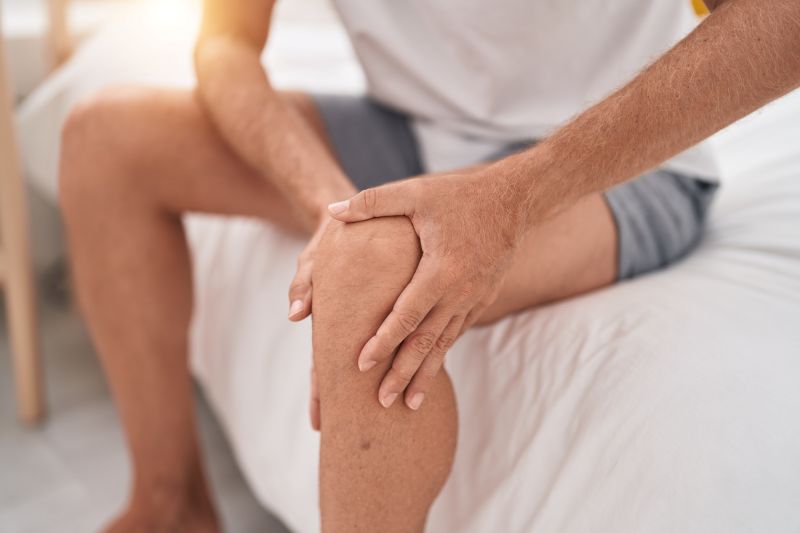
Don’t automatically assume that worsening joint symptoms are simply the result of colder weather. If your stiffness is accompanied by persistent back pain, reduced mobility, or symptoms that seem to travel into your legs, learn more about arthritis of the spine and how it can cause back pain.
Contact your healthcare provider if you experience:
- Persistent or severe pain that doesn’t improve with your usual measures.
- Significant swelling, redness, or warmth around a joint.
- A sudden change in your ability to move a joint.
- Difficulty bearing weight or using an affected limb.
- New or rapidly worsening symptoms.
A healthcare professional can help determine whether your symptoms are related to arthritis or another condition that requires treatment.
Simple Winter Routine for Stiff Joints
A simple daily routine can help you stay active when temperatures drop:
Morning: Spend a few minutes doing gentle stretches, followed by a warm shower.
Midday: Take a short indoor walk and break up long periods of sitting with brief movement or stretching.
Afternoon: Add gentle strength, flexibility, or range-of-motion exercises if appropriate for you.
Evening: Use warmth if it helps your stiffness, relax, and follow good sleep habits.
Adjust the routine according to your symptoms, fitness level, and healthcare provider’s recommendations.
Conclusion
A drop in temperature doesn’t mean you have to put your active life on hold. Although cold weather may make arthritis stiffness more noticeable for some people, staying gently active, keeping warm, protecting your joints, and maintaining healthy daily routines can help you manage symptoms.
Pay attention to how your own body responds to seasonal changes rather than assuming every ache is caused by the weather. And if your pain, swelling, or stiffness changes significantly, talk with your healthcare provider or physiotherapist.
With a little preparation, colder weather doesn’t have to keep you from moving and enjoying the season.
Health Disclaimer
This article is intended for general informational and educational purposes only. It is not a substitute for professional medical advice, diagnosis, or treatment. Arthritis symptoms and appropriate treatment can vary from person to person. Always consult your doctor, physiotherapist, or other qualified healthcare professional before starting a new exercise or pain-management routine, particularly if you have severe pain, swelling, an injury, or another medical condition. If you experience sudden or serious symptoms, seek prompt medical attention.