
Can Arthritis Cause Back Pain? Understanding Arthritis of the Spine
8 min read
1483 words
Back pain is one of the most common reasons people miss work, visit a doctor, or limit their daily activities. Many people assume their discomfort comes from a strained muscle, poor posture, lifting something incorrectly, or sleeping in an uncomfortable position. While these are common causes of back pain, ongoing stiffness, deep aching, and reduced mobility may point to another possible cause: arthritis. If you are dealing with everyday back discomfort, exploring natural ways to support pain relief may help. Our guide on Dealing With Back Pain: 4 Natural Remedies shares simple approaches that may help ease common back pain symptoms.
Arthritis affecting the spine can develop gradually, and the symptoms may sometimes be mistaken for normal aging or other back problems. Understanding the signs of spinal arthritis can help you take steps toward managing discomfort and maintaining mobility.
What Is Arthritis of the Spine?
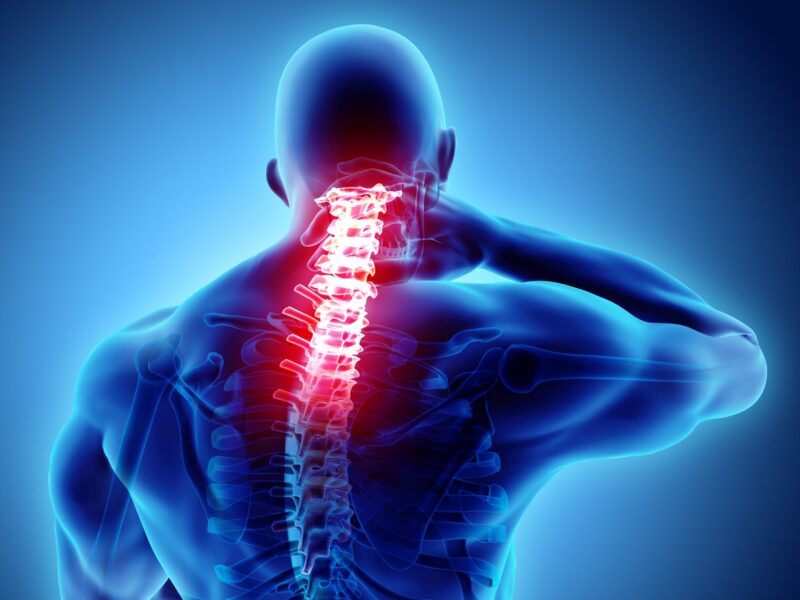
Arthritis occurs when joints become inflamed or when the protective tissues within joints begin to wear down. The spine is not one single bone. It is a complex structure made up of many small joints that allow you to bend, twist, and move.
Over time, these joints can become damaged, inflamed, or less flexible, leading to stiffness and discomfort.
The most common types of arthritis that affect the spine include:
• Osteoarthritis of the spine
• Facet joint arthritis
• Rheumatoid arthritis
• Ankylosing spondylitis
• Psoriatic arthritis
Osteoarthritis of the Spine
Osteoarthritis is the most common type of arthritis affecting the spine. Often called wear and tear arthritis, it develops when the cartilage that cushions the ends of bones gradually breaks down.
This can lead to:
• Back stiffness
• Aching pain
• Reduced range of motion
• Discomfort during certain movements
Many people notice symptoms becoming worse after sitting for long periods or after inactivity.
Facet Joint Arthritis
Facet joints are the small joints located at the back of the spine that connect the vertebrae. They provide stability and help guide movement.
When these joints become worn or inflamed, they may cause:
• Localized back pain
• Pain with bending or twisting
• Increased stiffness
• Discomfort after standing for long periods
Other Types of Arthritis That Can Affect the Spine
Some inflammatory types of arthritis can also affect the spine and may require specialized medical treatment.
Rheumatoid Arthritis
• An autoimmune condition where the immune system attacks healthy tissues
• Can cause inflammation in joints, including those affecting the spine
Ankylosing Spondylitis
• A type of inflammatory arthritis that primarily affects the spine
• May cause vertebrae to fuse together over time
Psoriatic Arthritis
• A form of arthritis associated with psoriasis
• Can cause inflammation in joints and surrounding tissues
These conditions are different from osteoarthritis and should be evaluated by a healthcare professional.
What Does Arthritis Back Pain Feel Like?
Arthritis-related back pain can vary from person to person. Common symptoms include:
• Stiffness: Often worse in the morning, after sitting, or following periods of inactivity.
• Aching or dull pain: A deep discomfort that may worsen with certain movements.
• Reduced flexibility: Difficulty bending, twisting, or completing everyday activities.
• Pain that comes and goes: Symptoms may change depending on activity levels and overall health.
• Muscle tightness: Muscles around the spine may tighten to protect painful joints.
Where Does Arthritis of the Spine Cause Pain?
The location of pain often depends on which part of the spine is affected.
Lower Back Arthritis
Lower back arthritis is one of the most common forms of spinal arthritis. It may affect:
• Walking
• Standing
• Household tasks
• Daily activities
Neck Arthritis
Cervical arthritis affects the neck and may cause:
• Neck stiffness
• Shoulder discomfort
• Upper back pain
• Headaches caused by muscle tension
Middle Back Arthritis
Although less common, arthritis can affect the middle portion of the spine and cause discomfort in this area.
What Causes Arthritis in the Spine?
Several factors can increase the risk of developing spinal arthritis, including:
• Aging: Joints naturally change over time.
• Previous injuries: Falls, accidents, or sports injuries may contribute to future joint problems.
• Repetitive stress: Frequent lifting, bending, or twisting can place stress on spinal joints.
• Genetics: Family history may increase the likelihood of developing arthritis.
• Weight and joint stress: Extra weight can increase pressure on the spine and other joints.
• Poor posture and muscle weakness: Weak supporting muscles may affect spinal alignment and movement.
How Is Spinal Arthritis Diagnosed?
A healthcare provider may use several methods to diagnose spinal arthritis, including:
• Reviewing your symptoms and medical history
• Performing a physical examination
• Checking movement, flexibility, and nerve function
• Using imaging tests such as X-rays or, in some cases, MRI scans
It is important to remember that imaging findings do not always match pain levels. Some people may show signs of arthritis on an X-ray but have few symptoms, while others may experience significant discomfort.
Natural Ways to Help Manage Arthritis Back Pain
Although there is no cure for arthritis, many lifestyle approaches can help manage symptoms and support mobility.
For additional tips on managing everyday back discomfort, read Dealing With Back Pain: 4 Natural Remedies.
Heat Therapy
Heat may help:
• Relax stiff muscles
• Improve comfort
• Reduce feelings of tightness
Try:
• A warm bath
• A heating pad
• A warm compress
Gentle Exercise
Movement helps keep joints flexible and strengthens the muscles that support your spine.
Helpful activities include:
• Walking
• Swimming
• Water aerobics
• Gentle stretching
• Yoga
• Light strength training
Maintaining a Healthy Weight
Reducing excess weight may help:
• Decrease stress on spinal joints
• Improve mobility
• Make daily activities easier
Anti-Inflammatory Foods
A balanced diet may support overall health. Foods often included in an anti-inflammatory eating pattern include:
• Vegetables and fruits
• Fatty fish such as salmon
• Nuts and seeds
• Olive oil
• Spices such as turmeric
Good Sleep Habits
Quality sleep can help your body recover. Consider:
• A supportive mattress
• Proper pillow support
• A comfortable sleeping position
Treatments Your Healthcare Provider May Recommend
Depending on your symptoms, your healthcare provider may recommend:
• Physical therapy
• Pain management options
• Anti-inflammatory medications
• Topical treatments
• Injections for some patients
Your treatment plan should be based on your individual needs and health history.
When Should You See a Doctor About Back Pain?
Seek medical advice if you experience:
• New weakness in your arms or legs
• Numbness or tingling
• Loss of bladder or bowel control
• Severe pain after a fall or injury
• Unexplained weight loss
• Fever
• Pain that does not improve with home care
Can You Prevent Arthritis of the Spine?
While arthritis cannot always be prevented, healthy habits may help protect your spine and support mobility.
Helpful steps include:
• Staying physically active
• Strengthening supporting muscles
• Maintaining a healthy weight
• Practicing good posture
• Using proper lifting techniques
• Protecting joints from repeated injuries
Living Well With Arthritis of the Spine
A diagnosis of arthritis of the spine does not mean you have to stop doing the activities you enjoy. Staying active within your abilities can support strength, flexibility, and independence.
Small daily habits, such as stretching in the morning, taking a walk, eating nourishing foods, and listening to your body, can make a meaningful difference.
Frequently Asked Questions About Arthritis of the Spine and Back Pain
Can arthritis cause back pain?
Yes. Arthritis can affect the joints of the spine, causing stiffness, aching, inflammation, and reduced mobility. Symptoms often become more noticeable after inactivity or with certain movements.
Can arthritis in the spine cause leg pain?
Yes. In some cases, changes caused by spinal arthritis can narrow spaces around nerves, which may lead to pain, tingling, numbness, or weakness that travels into the legs.
Is spinal arthritis a normal part of aging?
While arthritis becomes more common as people get older, ongoing pain and stiffness should not simply be ignored. Many treatments and lifestyle changes can help improve comfort and mobility.
What makes arthritis back pain worse?
Common triggers may include:
• Long periods of sitting
• Lack of movement
• Poor posture
• Excess stress on the joints
• Overdoing physical activity
Does exercise help arthritis of the spine?
Gentle exercise can often help maintain flexibility, strengthen supporting muscles, and reduce stiffness. Walking, swimming, stretching, and low-impact strengthening exercises are commonly recommended.
Can diet affect arthritis symptoms?
A balanced eating pattern rich in vegetables, fruits, healthy fats, and anti-inflammatory foods may support overall joint health. Diet alone cannot cure arthritis, but healthy choices can be part of a complete management plan.
Medical Disclaimer
The information in this article is for educational and informational purposes only and is not intended to replace professional medical advice, diagnosis, or treatment. Back pain and arthritis symptoms can vary from person to person. Always consult with a qualified healthcare professional before starting a new exercise program, changing your diet, or trying new treatments or supplements, especially if you have an existing health condition or take medications.
If you experience severe pain, sudden weakness, numbness, loss of bladder or bowel control, or symptoms that are worsening, seek medical attention promptly.
Do you experience back stiffness or pain that you suspect may be related to arthritis? What has helped you manage it? Share your experience in the comments below.