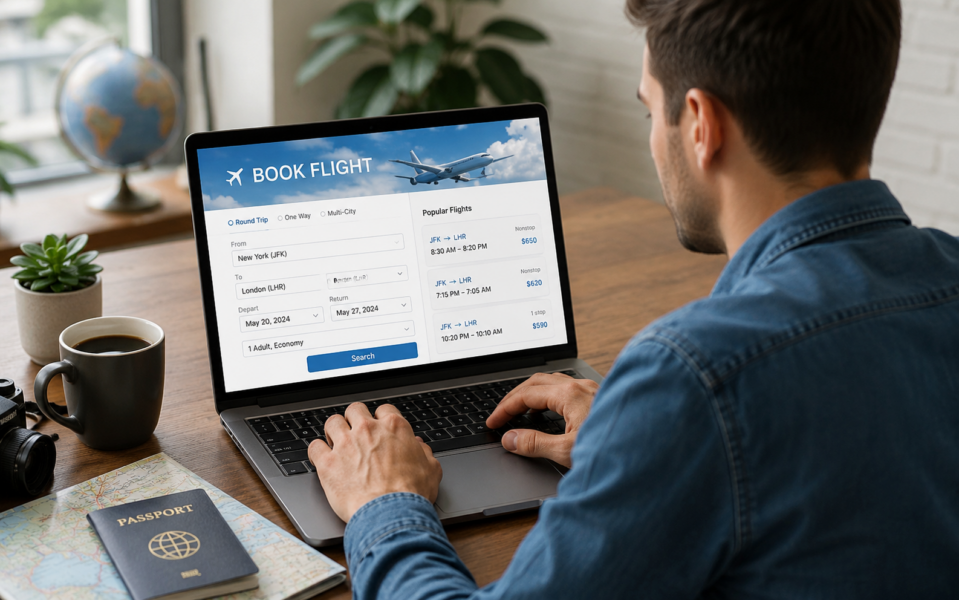
How to Spot Fall Travel and Flight Booking Travel Scams Online
6 min read
1191 words
Autumn is one of the best times of year to explore. The leaves are changing, summer crowds have thinned, and shoulder-season discounts can make dream destinations feel more affordable. Unfortunately, eager autumn travelers aren’t the only ones looking for a bargain. Scammers are searching for opportunities too. With fake flight deals, copycat hotel websites, fraudulent travel agencies, and convincing phishing emails becoming increasingly sophisticated, travel scams can be difficult to recognize at first glance.
Before you pack your bags, here’s how to spot common online travel scams and protect your money and personal information.
1. Watch Out for Unrealistically Cheap Flight Deals
Everyone loves a bargain, but if a flight is dramatically cheaper than comparable fares offered directly by airlines and reputable booking sites, take a closer look before paying.
Scammers may advertise exceptionally cheap flights to attract travelers and then request additional payments, personal information, or unusual forms of payment.
If you find an incredible deal, compare it with the airline’s official website and other established travel providers. Look carefully at the total price, including taxes, baggage fees, seat fees, and other charges.
A low price isn’t automatically a scam, but an unusually cheap fare combined with pressure to pay immediately is a warning sign.
2. Check the Website Before Entering Payment Information
A professional-looking website isn’t necessarily a legitimate one. Scammers can copy the branding, colours, fonts, and layouts of well-known airlines and travel companies.
Before entering your credit-card information, examine the website address carefully.
- Is the company name spelled correctly?
- Does the domain actually belong to the airline or travel company?
- Are there unusual additions, substitutions, or extra words in the web address?
- Does the website provide legitimate contact information and clear booking terms?
A padlock or HTTPS connection indicates that information is encrypted while being transmitted, but it doesn’t prove that the website itself is legitimate. Always verify that you’re dealing with the genuine company before entering sensitive information.
3. Beware of Fake Airline and Travel Company Websites
Scammers can create websites that look remarkably similar to legitimate airlines, hotels, and travel agencies. They may even create fake customer-service pages designed to appear in search results.
Be particularly cautious when searching for an airline’s customer-service telephone number. Rather than automatically calling the first number you find, visit the airline’s official website or open its official app and obtain the contact information there.
If someone claiming to represent an airline tells you that your booking has been cancelled and demands an immediate payment to reinstate it, don’t panic. Verify the information independently through the airline’s official website or app.
4. Recognize Suspicious Flight Booking Emails
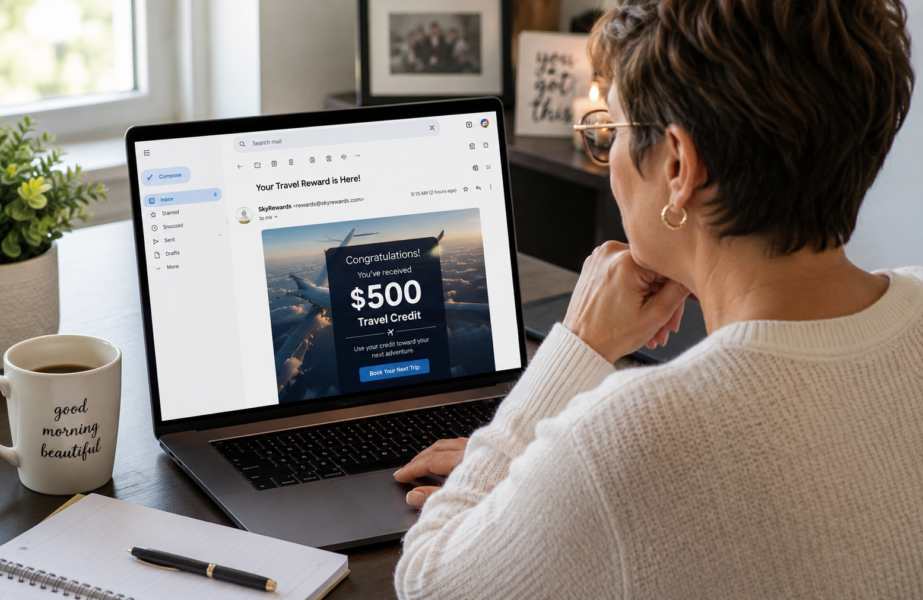
Your inbox can become a target for travel scams, particularly when you’re actively researching or booking a trip.
Be cautious of unexpected emails claiming:
- Your flight has been cancelled and you need to rebook immediately.
- You must verify your credit-card information to keep your reservation.
- You have received a booking confirmation for a trip you never arranged.
- You need to open an attachment or click a link to view your itinerary.
Don’t click links or open unexpected attachments simply because an email appears to come from an airline or travel company.
Instead, open your browser or official airline app yourself and check your reservation directly.
5. Be Careful With Social Media Travel Deals
Social media can be a useful source of travel inspiration, but it’s also an attractive place for scammers to promote fake deals.
Be particularly cautious with posts or advertisements promising free flights, luxury accommodations, or extremely cheap vacation packages in exchange for completing a survey, paying a small fee, or providing personal information.
A professional-looking social-media profile doesn’t guarantee legitimacy. Scammers can create convincing accounts, copy legitimate branding, and use fake engagement to make an offer appear trustworthy.
Before booking, research the company independently and visit its official website rather than relying solely on a social-media advertisement.
6. Avoid Unusual Payment Requests
The way you’re asked to pay can be an important warning sign.
Be extremely cautious if someone claiming to sell travel services insists that you pay through methods such as:
- Gift cards
- Cryptocurrency
- Wire transfers
- Payments to a personal account
- Other payment methods that offer little opportunity for recovery
Don’t assume that an e-transfer request is automatically legitimate simply because you’re in Canada. A legitimate business may accept electronic payments, but requests to send money to an unrelated personal account should raise concerns.
When possible, use a payment method that provides appropriate consumer and fraud protections, and understand the terms before paying.
7. Research the Company Before Booking
If you’re considering a third-party booking website you’ve never used before, spend a few minutes researching it.
Don’t rely exclusively on testimonials displayed on the company’s own website. Look for independent information about the business and search its name alongside terms such as “complaint,” “review,” or “scam.”
Check whether the company provides:
- A legitimate business address
- Verifiable contact information
- Clear booking and cancellation policies
- Independent reviews
- Appropriate travel-industry registration or accreditation, where applicable
Be especially cautious if you can’t independently verify who operates the website.
8. Watch for Fake Travel Urgency
“Only one seat left!”
“Book within the next four minutes!”
“Your special price expires now!”
Urgency can be a legitimate sales tactic, but scammers also use pressure to prevent potential victims from stopping to investigate.
Don’t let a countdown timer or aggressive salesperson make the decision for you. Take a moment to verify the company, compare the price, and review the cancellation and payment terms.
A legitimate travel opportunity isn’t worth risking your money or personal information.
9. What to Do If You Think You’ve Been Scammed
If you believe you’ve fallen victim to a travel scam, act quickly.
- Stop communicating with the suspected scammer.
- Contact your bank or credit-card provider as soon as possible and explain what happened.
- Change your passwords if you provided login credentials or suspect your account has been compromised.
- Save documentation, including emails, receipts, screenshots, messages, booking information, and payment records.
- Report the incident to the appropriate fraud-reporting authority and, where appropriate, local police.
If you provided personal information, continue monitoring your financial accounts and other affected accounts for suspicious activity.
10. A Simple Pre-Booking Scam Checklist
Before clicking the “pay” button, take a few minutes to ask yourself:
- Is the website address correct and independently verified?
- Does the price make sense compared with other reputable providers?
- Can I find independent information about the company?
- Are the booking, cancellation, and refund policies clear?
- Am I being pressured to pay immediately?
- Is the seller requesting an unusual payment method?
- Can I verify the booking directly with the airline or hotel?
If several warning signs appear at once, stop and investigate before sending money.
Safe Travels!
A little caution can go a long way when booking an autumn getaway online. A deal that looks incredible may be legitimate, but it’s worth taking a few minutes to verify it before handing over your payment information.
Compare prices, check the website address, research unfamiliar companies, and verify bookings directly with airlines and hotels whenever possible.
The best travel deal is one that gets you where you’re going without leaving you with an expensive scam to deal with afterwards.