Eco Landscaping: Why You Should Leave the Leaves
6 min read
1172 words
As the air turns crisp and the canopy shifts from vibrant greens to fiery oranges and reds, homeowners everywhere begin to eye their rakes. For decades, the “gold standard” of autumn yard work was a pristine, leaf-free lawn. We spent weekends bagging up yard waste, dragging heavy bags to the curb, and making sure not a single brown leaf remained on the grass. But what if those fallen leaves aren’t waste at all? They can be one of the most useful resources your property produces. By embracing a few eco landscaping principles, you can save time, add organic matter to your soil, and support local wildlife, all by simply rethinking how you handle the autumn leaf drop.
1. What Does “Leave the Leaves” Really Mean?
“Leave the leaves” doesn’t mean you have to let your entire property look like a forgotten forest floor. It’s about strategic placement rather than total abandonment.
The goal is to keep organic material on your property where it can do the most good. This might mean moving leaves from manicured grass into garden beds, tucking them beneath trees and shrubs, or shredding them with a mower so they break down more quickly.
It’s about creating a landscape that looks natural and intentional rather than neglected.
2. Nature’s Free Soil Amendment
Think of fallen leaves as a natural source of organic matter for your soil. As leaves decompose, they gradually return nutrients and organic material to the soil.
Leaf litter can also improve soil structure, helping it hold moisture while creating spaces for air and water to move through the soil. Over time, adding organic material can contribute to healthier garden soil and reduce your reliance on some purchased soil amendments.
Instead of sending all those leaves away, you can let nature recycle them right in your own backyard.
3. A Winter Hotel for Wildlife
One of the most compelling reasons to leave the leaves is the habitat they provide.
Many insects spend part of their life cycle in leaf litter, including some butterflies, moths, beetles, and other beneficial insects. Some native bees also rely on natural ground and leaf-litter habitats.
Those insects, in turn, become an important food source for birds and other backyard wildlife. Leaving some undisturbed leaf litter can therefore help support biodiversity throughout your garden.
If you want your yard to become more wildlife-friendly, a small natural area covered with leaves can be a simple place to start.
4. Natural Insulation for Your Plants
Just as we put on a heavier coat in winter, many plants benefit from a protective layer of organic material.
Leaves can act as natural mulch around suitable perennials, shrubs, and trees. They help moderate soil temperatures, retain moisture, and reduce erosion during periods of heavy rain.
A layer of leaves can also provide habitat for beneficial organisms that contribute to a healthy garden ecosystem.
The key is to use leaves appropriately. Avoid piling thick layers directly against plant stems or tree trunks, where excessive moisture can create problems.
5. What About the Lawn?
This is one of the biggest concerns for homeowners: “Won’t the leaves kill my grass?”
A thick, matted layer of whole leaves can block sunlight and create conditions that aren’t healthy for turf. However, that doesn’t mean every leaf needs to be raked and removed.
One practical solution is to use a mulching mower. Running the mower over a moderate layer of leaves can chop them into smaller pieces that settle between the blades of grass and gradually return organic matter to the soil.
If the layer becomes too thick, simply remove some of the leaves and put them to work elsewhere in your yard.
6. Where Should You Put the Leaves?
If you have more leaves than your lawn can handle, move them to areas where they can naturally break down.
Garden beds: Use a moderate layer of shredded leaves as mulch around suitable plants.
Around trees and shrubs: Leaves can create a natural layer beneath trees and shrubs while providing habitat for insects.
Compost piles: Leaves are an excellent source of carbon-rich “brown” material for composting.
Woodland edges: If you have a larger property, consider creating a designated area where leaves can decompose naturally.
The goal isn’t necessarily to keep every leaf exactly where it falls. It’s to keep useful organic material on your property whenever practical.
7. When It’s Time to Rake
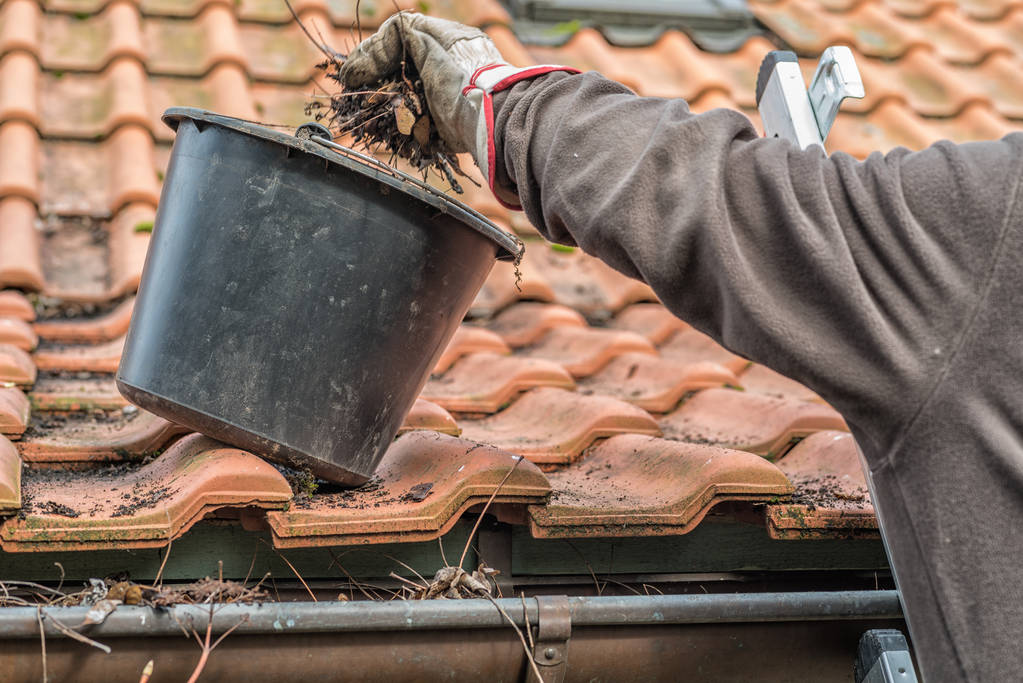
Eco landscaping isn’t about following one rule regardless of the situation. There are times when you should definitely reach for the rake or leaf blower.
Safety first: Keep walkways, steps, decks, and driveways clear to reduce slippery conditions.
Drainage: Don’t allow leaves to accumulate around drains or other areas where they could interfere with water flow.
Gutters: Clear leaves from gutters and downspouts when necessary to maintain proper drainage.
Diseased plant material: If your plants have suffered from certain diseases, removing and properly disposing of affected leaves may help reduce the chance of disease returning.
You can still have a tidy, functional property while leaving leaves in areas where they benefit the landscape.
8. The Eco Landscaping Advantage
Adopting a “leave the leaves” mindset is an easy way to incorporate eco landscaping into your fall gardening routine.
Keeping leaves on your property can reduce the amount of organic yard material that needs to be collected and transported. It also means fewer bags to fill and less effort spent hauling leaves away.
More importantly, you’re returning organic material to the soil and creating habitat rather than treating every fallen leaf as waste.
Your garden becomes part of a more natural cycle: plants grow, leaves fall, organic material decomposes, and nutrients and carbon are returned to the soil.
9. Easy Ways to Put Leaves to Work
If you’re ready to start, here are three simple ways to use your autumn leaves:
The mower trick: Mow over leaves until they are finely chopped and can settle into the lawn without creating a thick layer.
Make leaf mould: Pile leaves in a wire bin or designated corner. Over time, they will decompose into a dark, crumbly material known as leaf mould that can be used as a soil conditioner.
Create a wildlife corner: Leave a small, undisturbed patch of leaves in a quiet area of your yard to provide habitat for insects and other small creatures.
These simple steps can make fall cleanup easier while turning leaves into a useful resource.
Conclusion: A Gentler Way to Garden
Rethinking autumn cleanup doesn’t mean you have to choose between a tidy yard and a healthy ecosystem. By managing your leaves strategically, you can have both.
Eco landscaping encourages us to work with nature’s cycles rather than constantly fighting them. Instead of removing every fallen leaf, consider which ones can remain where they fall and which ones should be moved to another part of the property.
This autumn, put down the heavy rake when you can, leave the leaf bags in the garage, and let nature’s golden blanket do some of the work for you.
Your soil, plants, and backyard wildlife may all benefit from the change.