Back to School Shopping: Smart Strategies to Save Money
6 min read
1182 words
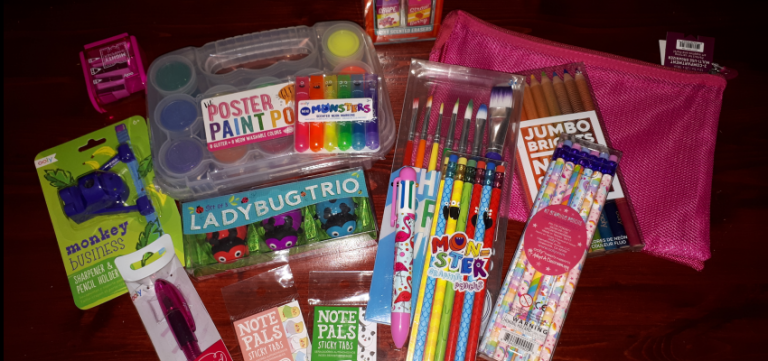
Back to school season is an exciting time for students, parents, and teachers, but it can also put extra pressure on family budgets. Between school supplies, clothing, shoes, lunch containers, and technology needs, the costs can quickly add up. The good news is that preparing for a new school year does not have to mean overspending. With a little planning, smart shopping, and a focus on what your family truly needs, you can save money while still making sure your child starts the year feeling prepared and confident. These back to school shopping tips will help you create a realistic budget, avoid unnecessary purchases, find the best deals, and make smarter choices that benefit your family all year long.
While preparing supplies and shopping wisely are important, helping children feel comfortable with the transition is just as valuable. Our guide on back to school tips to help kids adjust smoothly offers practical ideas for creating routines, easing worries, and helping children start the school year with confidence.
Strategic Planning: Laying the Groundwork for Savings
Before heading to stores or shopping online, the most important step in saving money is planning ahead. Shopping without a list can quickly lead to impulse purchases, duplicate items, and spending more than necessary. A thoughtful plan helps you focus on what your family actually needs and keeps your budget on track.
Take Inventory Before You Shop
Start by checking what you already have at home. Look through last year’s backpack, lunch bag, binders, pencil cases, and school supplies. Many items may still be in great condition and only need a quick cleaning or minor repair.
Take the same approach with clothing and footwear. Ask yourself:
- What still fits?
- What can be worn for another season?
- Which items truly need replacing?
- Are shoes, jackets, or outerwear still in good condition?
Taking inventory before shopping is one of the easiest ways to save money on back to school shopping because it prevents buying items you already own.
Review School Supply Lists Early
Many schools provide supply lists before the new school year begins. Reviewing these lists early gives you time to compare what is needed with what you already have.
Create a checklist and separate items into categories:
- School supplies
- Clothing
- Shoes
- Lunch items
- Technology needs
- Classroom extras
For clothing, focus on practical basics that can be mixed and matched rather than buying too many trendy pieces that may only be worn for one season.
Create a Realistic Back to School Budget
Once you know what your child needs, create a budget for each category. Include room for unexpected expenses, such as replacing worn-out shoes or purchasing additional classroom supplies.
Separate purchases into:
Needs: Items required for school, such as notebooks, pencils, shoes, and clothing basics.
Wants: Extras such as trendy backpacks, character items, or accessories.
Involving children in the budgeting process is a great opportunity to teach valuable lessons about saving, decision-making, and understanding the difference between needs and wants.
Shop Strategically to Find the Best Deals
When you shop can be just as important as where you shop. A little planning can help you find better prices and avoid the stress of last-minute shopping.
Shop Early for Essentials
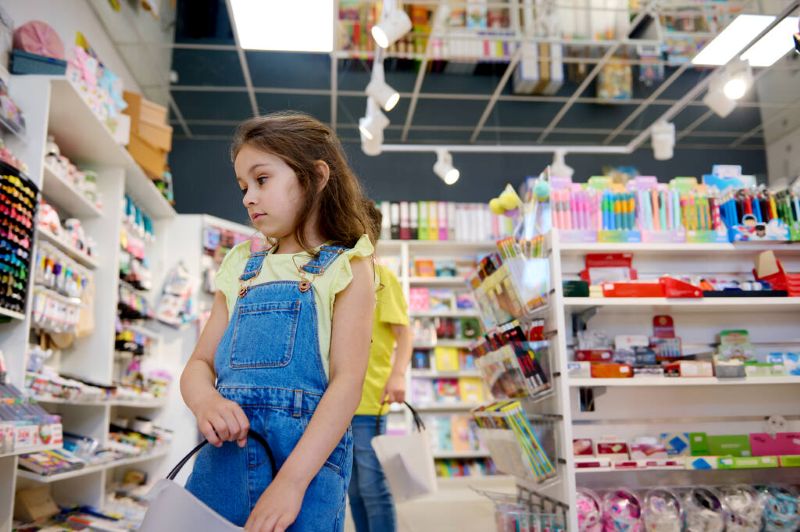
Shopping early, often in July or early August, gives you the best selection and allows you to take advantage of sales before popular items sell out.
Early shopping is especially helpful for:
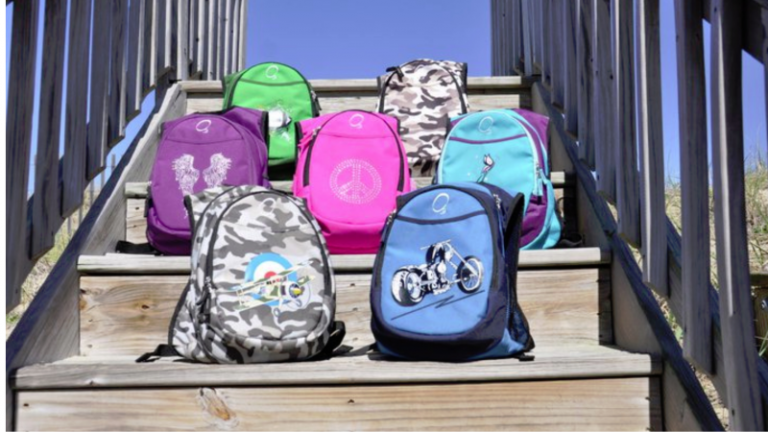
- Backpacks
- Lunch bags
- Shoes
- Clothing basics
- Technology accessories
For items that are not urgent, waiting for end-of-season clearance sales can sometimes provide additional savings.
A combination approach works well: purchase important items early, then watch for discounts on items that can wait.
Compare Prices Before Buying
Before making a purchase, compare prices between retailers and online stores. Check weekly flyers, store websites, and loyalty programs for promotions.
Ways to save include:
- Signing up for store newsletters
- Using loyalty points or rewards programs
- Watching for sales on school supplies
- Comparing prices before purchasing larger items
Remember that the lowest price is not always the best deal. Consider quality, durability, and how often the item will be used.
Choose the Right Places to Shop
You do not have to buy everything from one store. Different retailers often have better prices on different items.
Consider:
Dollar stores: Great for basic supplies like pencils, erasers, glue sticks, and notebooks.
Warehouse stores: Helpful for bulk purchases of frequently used items like paper, pens, and tissues.
Office supply stores: Often have sales on binders, folders, printers, and technology accessories.
Online retailers: Convenient for comparing prices and finding specific items.
Secondhand options: Thrift stores, consignment shops, and local online marketplaces can be excellent choices for gently used clothing, backpacks, and sports equipment.
Smart Purchasing Strategies
Once you know what you need and where to find the best prices, a few smart shopping habits can help stretch your budget even further.
Buy in Bulk Only When It Makes Sense
Buying larger quantities can save money, but only when you will actually use everything. Stocking up on too many supplies can create clutter and may result in wasted money.
Bulk purchases make sense for items your family uses regularly, such as:
- Pencils
- Paper
- Tissues
- Basic school supplies
Avoid buying large quantities of items your child may only need occasionally.
Invest in Quality for Everyday Items
Sometimes spending a little more upfront saves money later. Items used every day should be durable enough to last the entire school year.
Consider investing in:
- Backpacks
- Lunch bags
- Shoes
- Winter clothing
- Water bottles
For items that are used up quickly, such as pencils, erasers, and glue sticks, affordable options are usually perfectly suitable.
Reuse and Repurpose What You Already Own
One of the easiest ways to reduce back to school expenses is to reuse items whenever possible.
Ideas include:
- Decorating an old binder to give it a fresh look
- Reusing barely used notebooks
- Passing clothing between siblings
- Repairing backpacks or lunch bags instead of replacing them
- Donating items your child has outgrown
Teaching children to care for their belongings helps extend the life of the items they already have.
Build Long-Term Saving Habits
Saving money on back to school shopping is not just about finding discounts. It is also about creating better spending habits for the future.
Encourage children to:
- Take care of their supplies
- Understand the difference between needs and wants
- Avoid wasting materials
- Make thoughtful purchasing choices
Families can also make next year’s back to school shopping easier by setting aside a small amount of money throughout the year instead of handling all expenses at once.
By planning ahead, shopping carefully, and focusing on what your family truly needs, back to school shopping can become less stressful and more affordable.
Final Thoughts
Back to school shopping does not have to create financial stress. With a clear plan, realistic budget, and smart shopping strategies, you can provide your child with everything they need while keeping expenses under control.
The goal is not simply to spend less. It is to spend wisely by choosing quality items, avoiding unnecessary purchases, and creating habits that make every school year easier.