
Traumatic Brain Injury: Navigating Uncharted Waters as a Mother
8 min read
1541 words
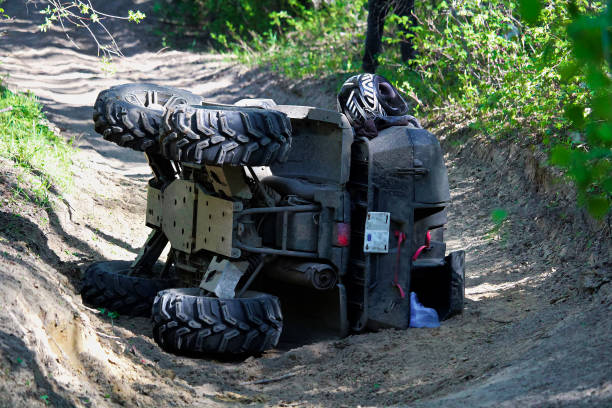
Life is often described as a journey, and parenthood, a significant chapter within that journey, is filled with its own unique joys and challenges. However, sometimes life throws unexpected curve balls that can drastically alter the course we envisioned. In 2014, my family’s life was irrevocably changed when my then 24-year-old daughter, Megan, suffered a traumatic brain injury (TBI) in an ATV accident. As a parent, witnessing such a life-altering event in your child’s life is an experience that words can scarcely capture. This is my story. It is a story of love, resilience, and navigating the complexities of being a parent to an adult daughter living with a TBI in a long-term care facility.
Each June, we also recognize Brain Injury Awareness Month in Canada, a time dedicated to raising understanding about the realities of living with and caring for someone with a brain injury. For families like ours, this awareness is deeply personal. It is a reminder that behind every statistic is a real person, and behind every diagnosis is a family learning to adapt, advocate, and endure.
A Life Disrupted: The Day Everything Changed

I still remember the day I received the call. It was a blur of frantic voices and fragmented information. All I understood was that Megan had been in an accident and was being rushed to the hospital in Kingston, Ontario. Time seemed to stand still as I raced to be by her side, my heart pounding with a fear I had never known before.
To see Megan lying in a hospital bed, her future hanging in the balance, was an agonizing experience. The feeling of helplessness was overwhelming.
The following days were a whirlwind of medical tests, consultations, and desperate prayers. The diagnosis was devastating: a severe traumatic brain injury. The doctors explained the potential long-term effects, the uncertainties surrounding her recovery, and the challenges we would face. Hearing those words felt like a physical blow, shattering the future I had always imagined for my daughter and for our family.
A Long Road to Recovery (and Acceptance)
Megan did wake up, but she wasn’t the same. The TBI had left its mark, impacting her cognitive abilities, memory, and physical coordination.
The years after the accident were filled with hospital visits, rehabilitation sessions, specialist appointments, and a mountain of paperwork. We held onto hope, celebrating the small victories while pushing through the difficult days. Megan fought with all her strength, but the seriousness of her TBI brought many challenges.
In addition to the effects of the brain injury itself, Megan faced ongoing struggles with her mental health. Over the years, finding the right balance of medications was often a challenge, and medication interactions sometimes created additional complications. At times, it was difficult to know whether changes in her mood, behaviour, or cognitive abilities were the result of the brain injury, mental health concerns, or the medications intended to help her. These complexities added another layer of uncertainty to an already difficult journey and often left our family searching for answers.
As her parent, I became her advocate, her cheerleader, her protector, and her voice when she could not always express herself. I learned to ask questions, challenge assumptions, and push for the support and care she needed. Through every setback and every triumph, I remained determined to help Megan navigate a life that had changed so dramatically in an instant.
Finding the Right Care: From Retirement Home to Long-Term Care
For seven years after her release from the hospital, Megan lived in a retirement home. It was the best option at the time, providing her with the care and supervision she needed. I always felt a pang of guilt. She was so young, surrounded by people decades older than her. It didn’t feel like the right place, but I struggled to find an alternative.
I visited her as often as possible, trying to fill the gaps in her social life and provide her with the intellectual stimulation she desperately craved. We played games, went for coffee, watched movies and went shopping. I tried to create a sense of normalcy in a situation that was anything but.
However, as time went on, it became increasingly clear that the retirement home was no longer meeting Megan’s needs. Her cognitive decline continued, and she required more specialized care than the facility could provide.
After seven years, Megan was deemed legally incompetent, and doctors made the decision to move her to a long-term care facility. This was, without a doubt heartbreaking.
Navigating the complexities of the long-term care system has been an education in itself. Understanding the bureaucracy, advocating for her specific needs, and ensuring she receives the best possible care requires constant vigilance and unwavering dedication.
My role has evolved, but my commitment remains unwavering.
Holding On to the Person Megan Has Always Been
One of the hardest things for people to understand about traumatic brain injuries is that they do not erase the person you love. Megan may have changed in many ways since her accident, but she is still Megan. When I look at her, I don’t just see the challenges she faces today. I see the little girl who learned to ride a bike with determination and a huge smile on her face when she finally succeeded. I remember watching her cross the stage at her Grade 8 graduation, filled with pride and excitement about the future ahead of her. I remember dancing with her in the rain, laughing as we got completely soaked and not caring one bit.
Those memories are treasures that no injury can take away.
I have also learned that grief and gratitude can coexist. I grieve the future that was taken from Megan, but I am grateful that she survived. I grieve the independence she lost, but I am thankful for every day I still get to spend with her. Both emotions can exist at the same time, and accepting that has helped me find peace during this journey.
Creating New Memories
When Megan was younger, I imagined a future filled with milestones. I pictured career achievements, perhaps marriage and children, and all the moments that parents naturally hope to share with their children. The accident changed those expectations, forcing me to redefine what a meaningful life looks like.
Today, our time together is often simpler, but no less valuable. We still enjoy vacations, conversations, and she still comes to me for advice. Some days are better than others, but I have learned to focus on what Megan can do rather than what she has lost.
I treasure the moments when she laughs, enjoys a favourite meal, or becomes excited about an upcoming visit or trip. These moments may seem ordinary to others, but they are precious to me. They remind me that joy can still be found, even in circumstances that are far from what we once imagined.
Over the years, I have come to understand that love does not depend on independence, achievement, or productivity. Love is showing up. It is being present. It is celebrating the person in front of you and finding meaning in the moments you share together.
The Emotional Toll
The emotional toll of caring for a child with a TBI cannot be overstated. Watching your child struggle with daily activities and lose their independence is heartbreaking. As a parent, you feel helpless and overwhelmed, and it can be difficult to know how to support your child in their recovery.
One of the most important things that I have learned is the importance of self-care. It is easy to get caught up in the daily tasks of caring for your child and neglect your own needs. However, it is essential to take care of yourself in order to be able to provide the best possible care for your child. This may include seeking support from friends and family, joining a support group, or finding time for activities that you enjoy.
A Message to Other Families
If you are caring for a loved one with a traumatic brain injury, know that you are not alone. There will be days when the challenges feel overwhelming and the future feels uncertain. There will be moments of frustration, sadness, and exhaustion. But there will also be moments of joy, connection, and resilience.
Do not be afraid to ask for help. Lean on family, friends, support groups, and healthcare professionals. Caring for someone with a brain injury is not something anyone should have to do alone.
Most importantly, remember that your loved one is still there. The injury may have changed aspects of their life, but it does not define their worth, their humanity, or the love they share with those around them. Sometimes the greatest gift we can offer is simply showing up, day after day, and reminding them that they are valued and loved.
Conclusion
This journey is far from over. There will undoubtedly be more challenges, more setbacks, and more moments of heartache. But I am committed to being there for Megan, every step of the way. I am her mother, her advocate, and her unwavering source of love and support. And together, we will continue to navigate these uncharted waters, one day at a time.





It’s tough watching someone we love struggle. I hope that she is doing better.
I, myself, am a traumatic brain injury survivor . The emotional rollercoaster is beyond words. I was stopped in construction on the 401 and became a pinball game with a transport. I am truly blessed to be here and to have NO memory of that day. Not only do we lose ourselves, but the strain it has on families is unreal. I lost many abilities, friends, family members and managed to fail my first test…… taking a step backwards. Things we take for granted like tieing shoes, gone. I still have good days and bad days. But I am here and fight every day to complete simple tasks. We are survivors for a reason! A road that nobody wants to travel!
I appreciate your openness in sharing this experience. Hugs!
My son is the victim of a TBI 40 years ago. He did not require long term care but he has not been able to cope with societal expectations. As many brain injured young people he attempted to feel better by self-medicating. This has led to addiction and homelessness. It’s been a long and painful journey as a parent. I see him and try to support him as best I can. I remind myself how much worse it has been for him.
Carole, I’m so sorry to read this. Sending you strength.
A traumatic brain injury (TBI) occurred to my sister. The initial days were filled with tests, medications, and extreme fatigue, with headaches making it difficult to focus and think. Cognitive effects were devastating, with inconsistent memory and fear leading to doubts about abilities and future. Rehabilitation was a slow and challenging journey, involving speech, occupational, and physical therapy. Despite feeling overwhelmed, she persevered with the support of me and my parents. She has learned to adjust and find new ways to handle the challenges.
I’m so sorry to hear about your child’s injury.
I can only imagine how difficult this is for you and your family.
Reading your story brought tears to my eyes. As a mother, I can imagine how difficult all these challenges have been. I empathize with you and your family. I hope you know you’re an amazing mother, and I’m sure your daughter knows that too. Hugs!