The Boston Fern: Houseplants That Elevate Your Space
8 min read
1575 words
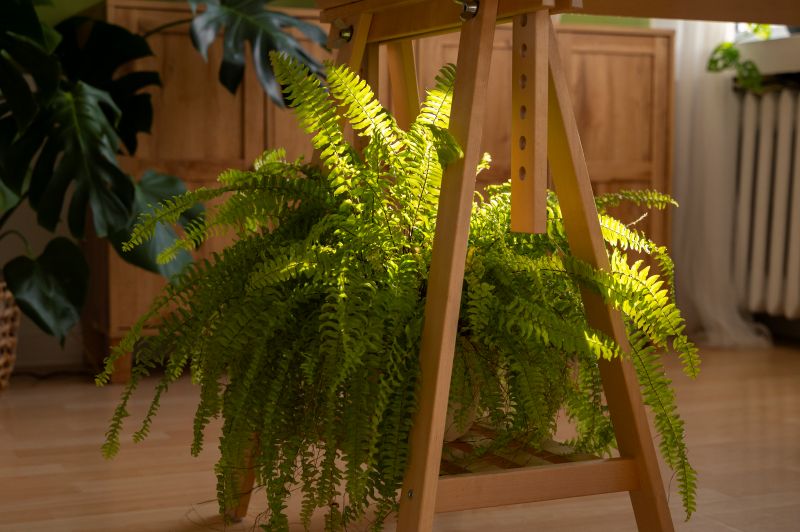
Few houseplants evoke such instant recognition and warmth as the Boston fern. With its graceful, arching fronds and lush, green foliage, this classic plant has graced homes for over a century. It’s the quintessential choice for softening a living room corner, adding life to a bookshelf, or creating a serene, green oasis in a bathroom.
Whether your style is traditional, bohemian, or modern minimalist, the Boston fern seamlessly fits in, bringing a touch of nature’s tranquility indoors. It’s more than just a plant; it’s a living piece of decor that purifies your air and soothes your mind.
What Is a Boston Fern?

The plant you know as a Boston fern is scientifically classified as Nephrolepis exaltata ‘Bostoniensis’. A mutation of a sword fern native to tropical regions and wetlands around the world, this cultivar became a superstar during the Victorian era’s passion for indoor gardening.
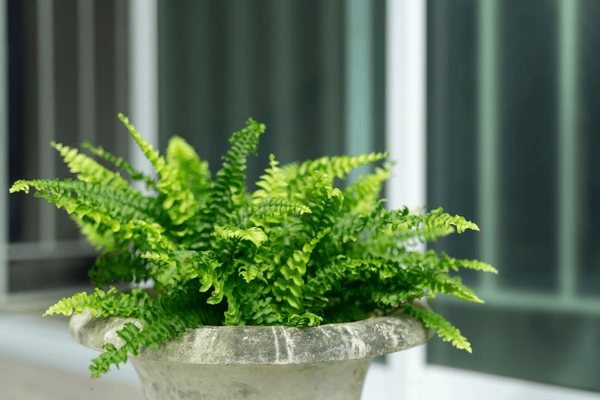
Its fame is well-deserved. The Boston fern is celebrated for its distinctive, sword-shaped fronds that can grow up to several feet long, creating a dramatic, weeping silhouette. While it thrives outdoors in shaded, humid climates, its adaptability has made it a beloved Boston fern houseplant for interiors everywhere.
Why Homeowners Love Boston Ferns
What makes this humidity-loving houseplant a perennial favorite? Here are the key reasons:
- Elegant Appearance: It adds instant softness and texture to any room.
- Beginner-Friendly: It’s considered one of the best houseplants for beginners, as it’s resilient and forgiving.
- Pet-Friendly: It is generally considered non-toxic to cats and dogs, making it a safer choice for pet owners.
- Versatile Decor: It complements numerous indoor plant decorating ideas, from hanging baskets to plant stands.
- Air-Purifying Qualities: It’s one of the effective houseplants that purify the air, helping to remove common toxins.
- Longevity: With proper care, a Boston fern can live and thrive for many years, becoming a long-term green companion.
| Boston Fern Care at a Glance | Recommendation |
|---|---|
| Light | Bright, indirect sunlight |
| Water | Keep soil evenly moist |
| Humidity | High humidity preferred |
| Temperature | 15–24°C (60–75°F) |
| Pet Friendly | Yes |
| Difficulty | Easy to moderate |
Benefits Beyond Beauty
Boston ferns do more than add greenery to your home. Their full, arching fronds create a calming atmosphere that can make living spaces feel more inviting and relaxing. They also help soften hard lines created by furniture, walls, and flooring, making rooms appear warmer and more balanced.
While no houseplant can replace proper ventilation or air filtration, Boston ferns are often included in discussions about plants that can contribute to healthier indoor environments. They may also slightly increase humidity around the plant through a natural process called transpiration, which can be especially welcome during the dry winter months.
Best Growing Conditions for Indoor Fern Care
Mastering Boston fern care is all about replicating its native, humid environment.
Light
Bright, indirect light is ideal. An east-facing window that gets gentle morning sun is perfect. Avoid harsh, direct afternoon sunlight, which can scorch the delicate fronds. It can tolerate lower light, but growth will be slower.
Temperature
Keep your fern in a spot with consistent temperatures between 60-75°F (15-24°C). Avoid cold drafts from windows or doors, as well as dry heat from radiators or air conditioning vents.
Humidity
This is the most critical factor for happy Boston ferns indoors. They crave moist air.
- Ideal Spots: Naturally humid rooms like bathrooms and kitchens are perfect.
- DIY Solutions: Use a humidifier nearby, place the pot on a pebble tray filled with water (ensuring the pot sits above the waterline), or mist the fronds a few times a week.
Watering Your Boston Fern
Consistent moisture is key, but soggy roots are a disaster. The goal is to keep the soil evenly moist.
- How to Water: Water thoroughly when the top inch of soil feels dry to the touch. Water until it drains from the bottom, then discard any excess from the saucer.
- Signs of Trouble:
- Overwatering: Yellowing fronds and a musty smell from the soil.
- Underwatering: Dry, crispy fronds and drooping leaves.
- Seasonal Adjustments: You’ll water more frequently in the active growing season of spring and summer and less in fall and winter.
How to Fertilize a Boston Fern
Boston ferns benefit from regular feeding during their active growing season. Apply a balanced liquid houseplant fertilizer diluted to half strength every four to six weeks in spring and summer. Avoid over-fertilizing, as too much fertilizer can cause brown leaf tips and damage the roots.
During fall and winter, growth naturally slows, so fertilizing is generally unnecessary until new growth begins in spring.
Choosing the Right Soil and Pot
For proper fern plant care, the right foundation is essential.
- Soil: Use a high-quality, well-draining potting mix designed for houseplants or African violets. You can also mix in some perlite or peat moss to enhance aeration and moisture retention.
- Pot: Always choose a container with drainage holes. Terra-cotta pots are a great choice as they are porous and help prevent overwatering.
- Repotting: You’ll need to repot every 2-3 years, or when you see roots circling the bottom of the pot or growing out of the drainage holes. Spring is the best time to do this.
Decorating with Boston Ferns
Let your creativity shine with these indoor plant decorating ideas:
- Hanging Baskets: The classic look. Perfect for corners and near windows.
- Plant Stands: Elevate a potted fern to create a focal point.
- Bookshelves & Mantels: Let the fronds drape elegantly over the sides.
- Bathrooms & Sunrooms: Leverage the natural humidity.
- Covered Porches: Enjoy them outdoors in the shade during summer.
- Entryways & Living Room Corners: Create a welcoming, lush statement.
Common Problems and Solutions
| Problem | Likely Cause | Solution |
|---|---|---|
| Brown leaf tips | Dry air / underwatering | Increase humidity; check soil moisture. |
| Yellow fronds | Overwatering / poor drainage | Allow soil to dry slightly; ensure pot has drainage. |
| Drooping leaves | Underwatering | Water thoroughly until it drains. |
| Pale or washed-out leaves | Too much direct sun | Move to a spot with bright, indirect light. |
| Leaf drop | Temperature stress / drafts | Move to a more stable environment away from vents. |
Common Pests to Watch For
Although Boston ferns are relatively easy to grow, they can occasionally attract common houseplant pests.
- Spider mites often appear when indoor air is too dry.
- Scale insects attach themselves to stems and leaves.
- Mealybugs leave behind white, cotton-like clusters.
- Fungus gnats may appear if the soil stays consistently wet.
Regularly inspecting your plant and wiping the fronds with a damp cloth can help catch problems early. Most infestations can be managed with insecticidal soap or neem oil according to product directions.
Seasonal Care Tips
- Spring: Fertilize lightly with a balanced liquid fertilizer diluted to half-strength. Repot if needed.
- Summer: Water more frequently. Consider moving it to a shaded outdoor patio.
- Fall: Reduce fertilizing. Prepare to increase humidity as indoor heating turns on.
- Winter: Keep humidity high and water carefully, allowing the top soil to dry a bit more between waterings.
Propagating Boston Ferns
The easiest way to propagate a Boston fern is by division.
- Best Time: Do this during repotting in spring.
- How to Divide: Gently remove the plant from its pot and shake off excess soil. Using a clean knife, separate the root ball into smaller sections, ensuring each has a good cluster of fronds and roots.
- Repotting: Plant each section in its own pot with fresh, moist potting mix.
- Aftercare: Keep the newly divided plants in high humidity and out of direct sun until they are established.
Is a Boston Fern Right for You?
This plant is perfect if you:
- Love the look of lush, green foliage.
- Have a spot with bright, indirect light.
- Can provide regular watering and appreciate the ritual of plant care.
- Have higher humidity in your home or are willing to create it.
It may not be ideal if:
- You travel frequently and can’t maintain a consistent watering schedule.
- Your home is very dry, and you cannot supplement humidity.
Frequently Asked Questions
How often should I water a Boston fern? When the top inch of soil feels dry. This could be every 2-4 days depending on light, heat, and humidity.
Can a Boston fern grow in low light? It can survive, but it will thrive in bright, indirect light. Low light will slow its growth significantly.
Why are the leaves turning brown? Brown tips are most commonly caused by dry air. Increase humidity by misting, using a pebble tray, or placing it in a humid room.
Is a Boston fern safe for cats and dogs? Yes, the Boston fern is generally considered non-toxic to cats and dogs, making it a popular pet-friendly choice.
Can I put my Boston fern outside in summer? Absolutely! Acclimate it slowly to outdoor conditions and place it in a shaded, protected spot. Bring it back indoors before the first frost.
How long do Boston ferns live? With good care, they can live for 10 years or more, growing larger and more impressive with time.
Conclusion
The Boston fern has remained one of the world’s most popular houseplants because it combines timeless beauty with relatively simple care. Its graceful fronds bring softness, texture, and vibrant greenery to almost any room while complementing decorating styles ranging from traditional to contemporary.
By providing bright indirect light, consistent moisture, and plenty of humidity, you can enjoy a healthy Boston fern for many years. Whether displayed in a hanging basket, decorative planter, or plant stand, this classic houseplant is an easy way to create a more welcoming and relaxing home.