Chipped Tooth? Why You Shouldn’t Wait To Repair It
6 min read
1187 words
Your smile is one of the first things people notice about you. It is a universal language that conveys confidence, warmth, and happiness. However, a sudden accident or biting into something hard can quickly turn a perfect smile into a source of anxiety.
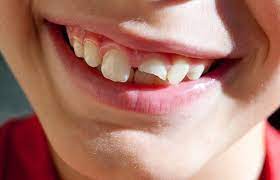
A chipped tooth is one of the most common dental injuries, affecting millions of people every year. While it might seem like a minor cosmetic issue at first, a chipped tooth can lead to serious complications if left untreated.
In this comprehensive guide, we will explore the anatomy of your teeth, the risks associated with a chipped tooth, and the professional treatments available to restore your oral health and your confidence.
Why Your Teeth Matter: More Than Just Chewing
At a basic level, teeth are essential for survival. They are the first step in the digestive process, breaking down food so your body can absorb nutrients. However, the function of your teeth is highly specialized.
- The Incisors (Front Teeth): These sharp edges are designed to tear and cut food.
- The Molars (Rear Teeth): These broad surfaces are designed to grind and crush food into a swallowable consistency.
Beyond functionality, healthy teeth play a pivotal role in your self-esteem. A bright, intact set of teeth encourages you to smile freely. Conversely, chipped or damaged teeth can have the opposite effect. You may find yourself hiding your smile, covering your mouth when you laugh, or avoiding social situations. This can lead to a lack of confidence and reclusive behavior, impacting your quality of life.
Understanding the Anatomy: Why a Chip is Serious
To understand why a chipped tooth requires immediate attention, it helps to understand the layers of a tooth:
- Enamel: The hard, outer protective layer. It is the hardest substance in the human body but is not immune to damage.
- Dentin: The layer beneath the enamel. It is softer and contains microscopic tubules that lead to the nerve.
- Pulp: The innermost core of the tooth, containing nerves and blood vessels.
When a chip occurs, the protective enamel is breached, exposing the sensitive inner layers to the environment of your mouth.
The Immediate Risks of a Chipped Tooth
1. Structural Weakness and Further Damage
When a tooth chips, its structural integrity is compromised. The chip often reveals an underlying micro-crack that was previously invisible. Once the enamel is broken, the tooth loses its natural strength.
If left untreated, a chipped tooth is highly susceptible to:
- Further chipping: The weakened edges can break again with minimal pressure.
- Cracking: The fracture can extend deeper into the tooth.
- Disintegration: In severe cases, the tooth can crumble over time.
Getting a professional evaluation is the only way to determine the extent of the damage and prevent the tooth from breaking further.
2. The Danger of Infection and Decay
The most significant risk of a chipped tooth is the potential for infection. Enamel acts as a shield against bacteria. When this shield is broken, the inner dentin is exposed.
Because dentin is softer than enamel, bacteria can penetrate it rapidly. This leads to tooth decay that progresses much faster than surface-level cavities. Once bacteria reach the pulp, you may experience intense pain, sensitivity to temperature, and inflammation.
If the infection reaches the root, it can result in:
- Abscess: A pocket of pus that forms at the root of the tooth.
- Bone Loss: Severe infections can damage the surrounding jawbone.
- Tooth Loss: The tooth may die and require extraction.
What to Do If You Chip a Tooth
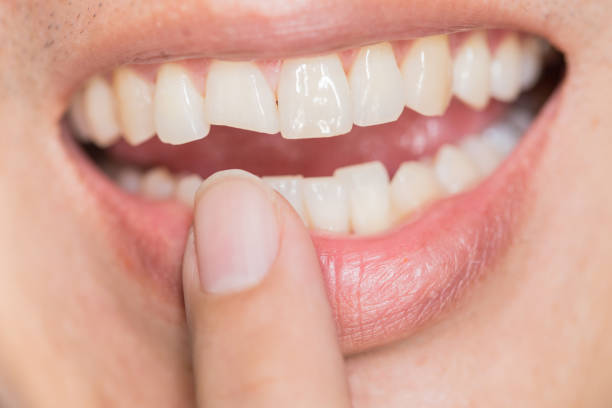
If you experience a chipped tooth, time is of the essence. While the chipped fragment cannot usually be reattached, professional intervention can save the tooth.
Step 1: Immediate Home Care
Before you see the dentist, take these steps to protect the tooth:
- Rinse: Gently rinse your mouth with warm water to clean the area.
- Save the Fragment: If you can find the piece, store it in a small container of milk or saliva and bring it with you to the dentist.
- Protect: If the chip has left a sharp edge, cover it with dental wax or sugar-free gum to prevent cutting your tongue or cheek.
- Pain Management: If you experience sensitivity, take over-the-counter pain relievers (avoid placing aspirin directly on the gum).
- Avoid Triggers: Stay away from hot, cold, or sugary foods and drinks that can irritate the exposed dentin.
Step 2: Professional Diagnosis
Your dentist will examine the tooth, likely taking X-rays to determine the depth of the chip and the health of the root. This assessment is critical to rule out infection and decide on the best restorative option.
Professional Treatment Options for a Chipped Tooth
Modern dentistry offers several effective solutions to repair a chipped tooth, depending on the severity of the damage.
- Dental Bonding (Composite Resin): For minor to moderate chips, the dentist applies a tooth-colored composite resin to the damaged area. This material is sculpted to match the shape of your natural tooth and hardened with a special light.
- Dental Veneers: If the chip is on a front tooth and affects the aesthetics significantly, a thin shell of porcelain or composite is bonded to the front surface of the tooth.
- Dental Crowns: For large chips or teeth that have lost significant structure, the dentist removes the damaged portion and places a custom-made cap over the entire tooth to restore strength.
- Root Canal Therapy: If the chip has exposed the pulp and caused an infection, the dentist removes the infected pulp, cleans the root canal system, and seals the tooth.
- Dental Bridges: In cases where the tooth is too damaged to be saved and must be extracted, a bridge uses the surrounding teeth as anchors to support an artificial tooth in the space.
The Importance of Aftercare and Prevention
Once your chipped tooth is repaired, maintaining your oral hygiene is essential to ensure the restoration lasts a lifetime.
- Oral Hygiene: Brush twice a day with fluoride toothpaste and floss daily to prevent bacteria from compromising the repair.
- Regular Check-ups: Visit your dentist every six months for professional cleanings and to check the integrity of the bonding or crown.
- Protective Gear: If you play contact sports, wear a custom-fitted mouthguard to protect your teeth from impact.
- Avoid Bad Habits: Do not use your teeth to open packages, bite your nails, or chew on hard objects like ice or pens.
Conclusion: Restore Your Smile and Confidence
A chipped tooth is more than a cosmetic flaw; it is a dental emergency that exposes your tooth to infection and further structural damage. Whether the chip is minor or severe, professional treatment is necessary to protect your oral health.
From dental bonding to crowns, modern dentistry offers effective solutions that not only repair the damage but also restore the beauty of your smile. Do not let a chipped tooth diminish your confidence or lead to painful complications.
If you have a chipped tooth, contact your dentist today. Taking immediate action will ensure your teeth remain strong, healthy, and ready for a lifetime of smiles.
Disclaimer: This article is for informational purposes only and does not constitute medical advice. Always consult with a qualified dental professional for any dental health concerns.