Menopause Sleep Tips: How to Sleep Better
6 min read
1123 words
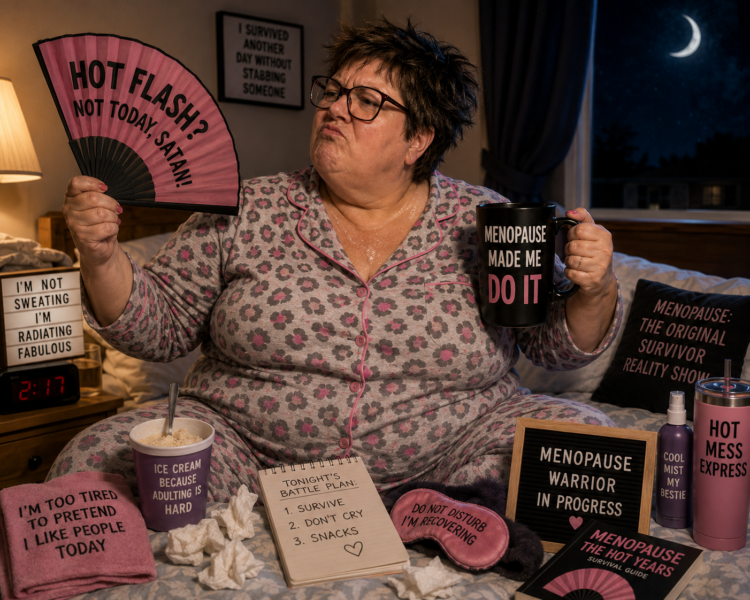
Menopause sleep tips can make a big difference when restless nights, hot flashes, and night sweats begin affecting your sleep. If you find yourself staring at the ceiling in the middle of the night, waking up overheated, or feeling exhausted before the day even begins, you are not alone. Sleep challenges are a common part of the menopause transition for many women.
Understanding the changes happening in your body can make the menopause journey feel less confusing and overwhelming. If you are beginning this stage of life, Welcome to Menopause: What Mom Didn’t Tell You explores the changes many women experience and the information that is often missing from conversations about menopause.
The good news is that making a few practical changes can help improve your sleep quality and make your nights more comfortable.
These menopause sleep tips will help you create healthier sleep habits, manage common sleep disruptions, and wake up feeling more rested.
1. Understand Why Menopause Affects Sleep
The first step to improving sleep is understanding how menopause can affect your body. During the menopause transition, changing levels of hormones such as estrogen and progesterone can influence sleep patterns, body temperature regulation, and mood.
Hormonal changes may contribute to:
- Hot flashes and night sweats
- Difficulty falling asleep
- Waking frequently during the night
- Feeling tired even after spending enough time in bed
- Increased stress or mood changes
Understanding that these changes are connected to menopause can help you focus on solutions instead of feeling frustrated by sleepless nights.
2. Create a Cool Sleep Environment and Manage Night Sweats

Night sweats and hot flashes are some of the most common reasons women struggle with sleep during menopause. Creating a cooler bedroom and identifying personal triggers can help make nights more comfortable.
Try these menopause sleep tips:
- Keep your bedroom between 15 and 19 degrees Celsius (60 to 67 degrees Fahrenheit)
- Wear lightweight, breathable sleepwear made from cotton or moisture-wicking fabrics
- Use breathable sheets and lightweight blankets
- Keep extra bedding nearby if night sweats interrupt your sleep
- Use a fan for extra air circulation
- Keep water beside your bed to stay hydrated
You may also notice that certain habits make hot flashes or restless sleep worse. Common triggers can include spicy foods, caffeine, alcohol, stress, or a warm bedroom.
A simple sleep journal can help you identify patterns and discover what works best for your body.
3. Create a Consistent Sleep and Bedtime Routine
Your body responds well to regular patterns. Going to bed and waking up around the same time each day helps support your natural sleep-wake cycle and can make it easier to fall asleep.
Create a calming bedtime routine 60 to 90 minutes before bed by:
- Dimming the lights
- Turning off work and stressful tasks
- Reading a book
- Listening to relaxing music
- Practising gentle stretching or yoga
- Taking a warm bath or shower
- Preparing for the next day
Try to keep your sleep schedule consistent, even on weekends. Over time, these small habits help your body recognize when it is time to rest.
4. Pay Attention to Evening Food and Drinks
What you eat and drink in the evening can affect your sleep quality. Some foods and beverages may increase discomfort, contribute to night waking, or make it harder to fall asleep.
Helpful habits include:
- Limiting caffeine after noon
- Avoiding large meals close to bedtime
- Reducing alcohol, which can interrupt sleep later in the night
- Choosing a light snack if you are hungry before bed
Good evening snack options may include:
- Yogurt
- Fruit with a small amount of nuts
- Cottage cheese
- A small protein-rich snack
Small changes to your evening routine can support better sleep during menopause.
5. Add Regular Movement During the Day
Regular physical activity can support better sleep, improve mood, and help manage stress during menopause.
Activities such as:
- Walking
- Gardening
- Swimming
- Strength training
- Yoga
- Stretching
can all support overall health and better rest.
Try to finish intense workouts several hours before bedtime so your body has time to cool down before sleep.
6. Reduce Stress and Quiet Your Mind Before Bed
A busy mind can make falling asleep much harder. Stress, worries, and daily responsibilities can keep your brain active when you should be winding down.
Try creating a relaxing evening routine that includes:
- Writing down tomorrow’s tasks
- Keeping a journal
- Practising deep breathing
- Listening to calming audio
- Spending time on relaxing hobbies
Avoid stressful conversations, work tasks, or spending too much time on your phone before bed. Giving your mind time to settle can help your body transition into rest.
7. Improve Your Overall Sleep Environment
Your bedroom should feel like a place designed for relaxation and rest.
Consider:
- A comfortable mattress and pillows
- Blackout curtains or an eye mask
- Reducing noise with 3m earplugs or white noise
- Keeping clutter to a minimum
- Charging your phone away from your bedside
A calm sleep environment can help create a calmer mindset at bedtime.
8. Avoid Common Sleep Mistakes During Menopause
Some everyday habits can unintentionally make sleep problems worse.
Avoid:
- Checking the clock repeatedly during the night
- Scrolling on your phone before you go to bed or when you wake up
- Taking long afternoon naps
- Drinking caffeine too late in the day
- Going to bed while feeling stressed or upset
If you wake during the night, focus on relaxing rather than worrying about the time.
9. When to Talk to a Healthcare Provider
Sometimes lifestyle changes are not enough, and professional support may be helpful.
Talk with your healthcare provider if:
- Sleep problems continue for several weeks
- Daytime tiredness affects your daily activities
- You experience loud snoring or gasping during sleep
- You notice significant mood changes
- Poor sleep is affecting your quality of life
Sleep concerns are common during menopause, and support is available.
Frequently Asked Questions
Why does menopause cause sleep problems?
Hormonal changes during menopause can affect body temperature regulation, sleep patterns, and mood. This may lead to hot flashes, night sweats, and more frequent waking.
How can I sleep better during menopause?
Creating a consistent sleep schedule, keeping your bedroom cool, managing stress, and building healthy bedtime habits can help improve sleep quality.
What helps menopause night sweats at night?
Keeping your bedroom cool, wearing breathable sleepwear, using lightweight bedding, and identifying personal triggers may help reduce discomfort.
Does menopause insomnia improve over time?
Many women find that sleep improves as their bodies adjust after menopause. Developing healthy sleep habits can make the transition easier.
Final Thoughts
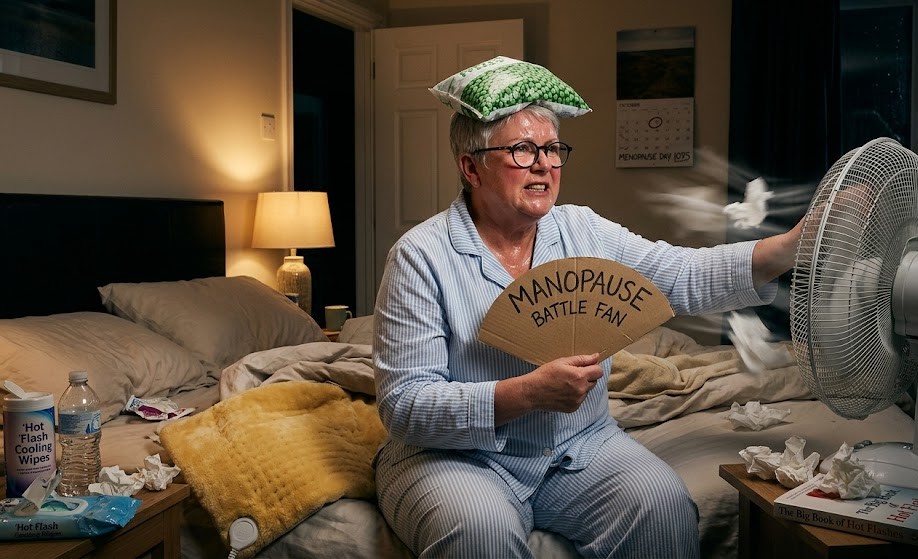
Better sleep during menopause is a journey that often requires patience and small adjustments. Start with one change, such as creating a consistent bedtime routine, improving your sleep environment, or adding more movement during the day.
By understanding your body’s changes and creating supportive habits, you can improve your chances of enjoying more comfortable nights and more energized days.