Back to School Organization Ideas for a Stress Free Year
7 min read
1230 words
The back to school season often feels like a whirlwind of new schedules, lost permission slips, and frantic morning searches for matching socks. It’s easy to feel overwhelmed. The good news is that getting organized doesn’t require a complete home makeover or expensive storage products. The best back to school organization ideas focus on creating simple routines and practical systems that fit your family’s lifestyle. A little preparation before school starts can save time, reduce stress, and make busy mornings feel much more manageable.
Back to school expenses can add up quickly, from school supplies and clothing to technology and activity fees. Having an organized system at home helps prevent buying duplicate items, losing important paperwork, and wasting time searching for everyday essentials.
These practical back to school organization ideas will help your household stay organized from the first day of school through the final report card and school update.
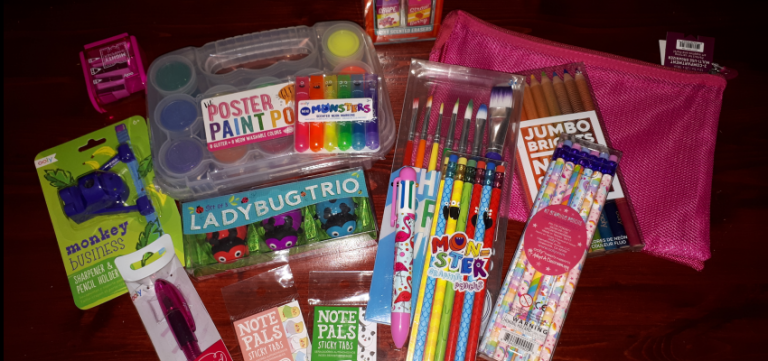
A well-organized school year starts with having the right tools. Check out our guide to back to school essentials that help kids stay organized for ideas on backpacks, planners, lunch boxes, and other must-have items.
1. Create a Family Command Center
A family command center becomes the hub of your household. Choose a central location, such as the kitchen, mudroom, or hallway, where everyone can easily access important information.
Include:
- A large family calendar for school events, appointments, and extracurricular activities
- A weekly schedule for each family member
- An inbox for permission slips and forms
- A folder for papers that need signatures
- School lunch menus
- Emergency phone numbers
Having one central location prevents important paperwork from disappearing into backpacks or kitchen drawers.
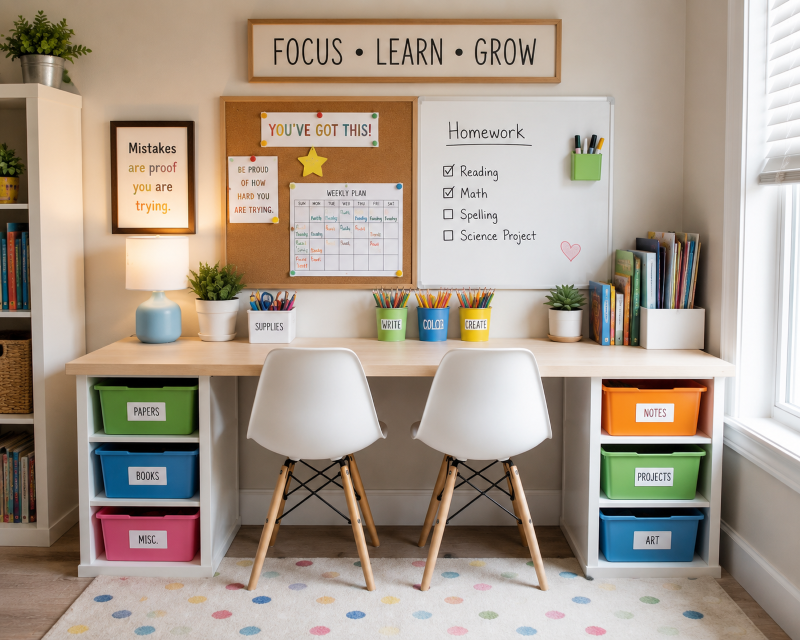
2. Set Up a Dedicated Homework Station
One of the most effective back to school organization ideas is creating a homework space where children can focus without distractions.
Your homework station should include:
- Bright lighting
- Comfortable seating
- Pencils, pens, rulers, scissors, and paper
- Charging stations for laptops and tablets
- Headphones for online learning or quiet study
You don’t need a separate room. A quiet corner of the dining room or kitchen often works perfectly.
3. Organize School Supplies
Instead of scattering supplies throughout the house, keep everything together in one organized location.
Helpful ideas include:
- Store extra supplies in clear labeled bins.
- Keep frequently used items within easy reach.
- Label shelves and containers.
- Rotate seasonal items such as winter gloves or summer hats.
- Check inventory before buying duplicates.
These back to school organization ideas also help children learn responsibility by putting supplies back where they belong.
4. Create a Paperwork System
School paperwork can quickly pile up unless you have a simple filing system.
Use three folders or trays:
- Action Required for permission slips and forms
- Keep for report cards and important notices
- Recycle for outdated papers
Spend five minutes every week sorting paperwork before it becomes overwhelming.
5. Simplify the School Morning Routine
Busy mornings become much easier when most tasks are completed the night before.
Try these simple habits:
- Pack backpacks before bedtime.
- Lay out clothing.
- Prepare lunches or lunch ingredients.
- Charge electronic devices overnight.
- Review the next day’s schedule.
For younger children, create a visual checklist that includes getting dressed, brushing teeth, eating breakfast, and grabbing their backpack before leaving.
6. Build a Grab-and-Go Entryway
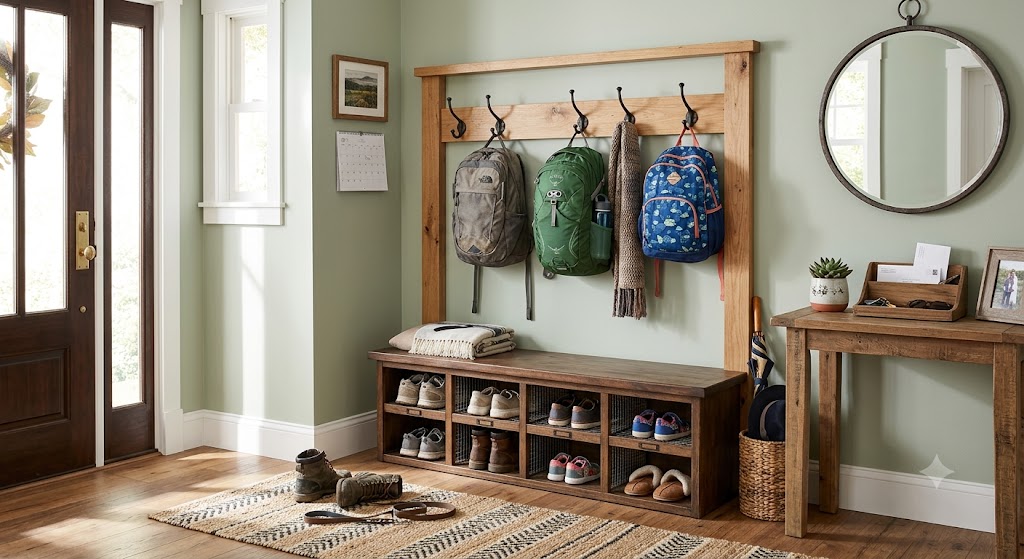
Your entryway can become a launching pad for the entire family.
Include:
- Hooks for backpacks and jackets
- Shoe storage or cubbies
- A basket for hats and mittens
- A designated spot for lunch bags
- An umbrella stand
Everyone knows exactly where to find what they need before walking out the door.
7. Organize Digital School Life
Today’s families juggle paper planners and digital tools. Organizing both helps prevent missed assignments and forgotten events.
Helpful digital tools include:
- Shared family calendars
- Homework reminder apps
- School communication apps
- Password managers for school accounts
- Cloud storage for important school documents
Checking these apps once each day helps prevent last-minute surprises.
8. Plan Meals Ahead
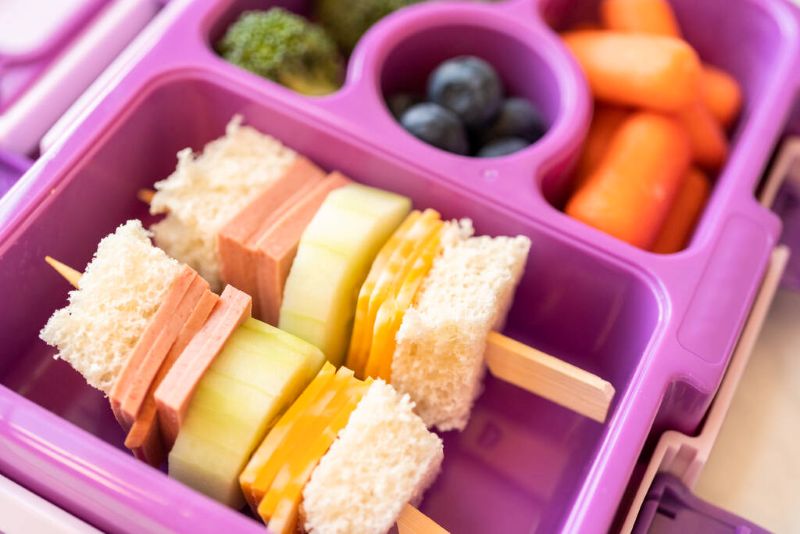
Meal planning removes one more daily decision during busy school weeks.
Prepare:
- Grab-and-go breakfasts
- Lunch ingredients
- Healthy after-school snacks
- Slow cooker meals
- Freezer-friendly dinners
Keeping healthy snacks portioned and ready also helps reduce afternoon hunger and unnecessary grocery trips.
9. Organize by Age and School Level
Every child has different organizational needs as they grow. The best back to school organization ideas should change as children become more independent.
Elementary School Students
Younger students often need more hands-on support:
- Use picture checklists for morning routines.
- Create colour-coded folders for different subjects.
- Keep backpacks organized with a weekly clean-out.
- Store school supplies where children can easily reach them.
- Practice routines before the first day of school.
Intermediate Grades
Students in the upper elementary and intermediate years are ready to take on more responsibility:
- Encourage them to use a planner or calendar.
- Create a system for tracking assignments and projects.
- Teach them how to organize notebooks and digital files.
- Set up a consistent homework routine.
- Have them manage their own backpack and supplies.
High School Students
Older students benefit from systems that support independence:
- Use digital calendars for assignments and activities.
- Create folders for each subject.
- Set reminders for tests and project deadlines.
- Keep a dedicated charging area for devices.
- Organize important school documents in one place.
Helping children build organizational skills at every stage makes the transition back to school easier and prepares them for future success.
10. Establish a Weekly Reset Routine
One of the simplest back to school organization ideas is scheduling a weekly family reset.
Every Sunday:
- Empty backpacks.
- Refill school supplies.
- Review the family calendar.
- Wash lunch bags and water bottles.
- Plan meals for the week.
- Prepare clothing for Monday morning.
Thirty minutes each week prevents small messes from becoming overwhelming.
Common Organization Mistakes to Avoid
Even the best organization systems can fail if they’re too complicated.
Avoid these common mistakes:
- Buying more supplies than you need
- Forgetting to label lunch boxes and water bottles
- Storing paperwork in multiple locations
- Skipping weekly maintenance
- Creating systems children can’t maintain on their own
Simple systems are usually the easiest to stick with throughout the school year.
Frequently Asked Questions
When should you start organizing for back to school?
Late July or early August is the ideal time to organize supplies, create routines, and prepare your home before classes begin.
What is the best way to organize school supplies?
Store extras in labeled bins, keep everyday supplies together, and regularly check what you already have before shopping.
How can I make school mornings less stressful?
Prepare backpacks, lunches, clothing, and school paperwork the night before while following a consistent morning routine.
What should a family command center include?
A family command center should have a calendar, school notices, permission slips, emergency contacts, meal plans, and important reminders in one convenient location.
How do I help my child stay organized at school?
Start with simple routines that your child can manage independently. Teach them to use a planner, organize their backpack, keep track of assignments, and prepare supplies the night before.
Final Thoughts
The best back to school organization ideas aren’t about creating a picture-perfect home. They’re about building simple routines that make everyday life easier.
Start with one or two changes, such as creating a family command center or preparing backpacks the night before. Once those habits become routine, add another organizational system. Over time, these small improvements can transform rushed mornings into calm, organized starts that help your entire family enjoy a more successful school year.