Back to School Clothes Shopping Guide: What Kids Really Need
7 min read
1260 words
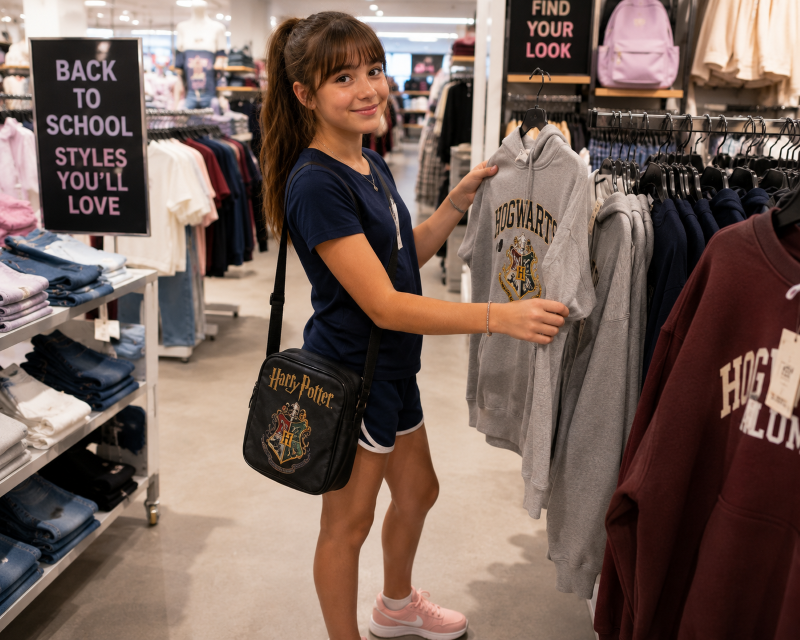
Welcome, fellow parents and caregivers! The back to school season brings a familiar mix of excitement and stress, and back to school clothes shopping often tops the list of things parents need to plan. Between rapidly growing kids, changing styles, seasonal weather, and school dress codes, it can feel overwhelming to know where to start.
The secret is to shift your focus from buying an entire new wardrobe to thoughtfully building a practical, comfortable collection of clothing that works throughout the school year.
Whether you are shopping for a wiggly first grader or a style conscious teen, this back to school clothes shopping guide will help you choose what your child really needs while saving money and avoiding unnecessary purchases.
1. Start by Checking What Your Child Already Owns
Before you start shopping, take inventory of your child’s current wardrobe.
Ask:
- What still fits well and is in good condition?
- What has become worn out or damaged?
- What can be layered or reused for another season?
- What items are missing from their wardrobe?
Involving older children and teens in this process is not only helpful, but it also teaches valuable skills. They can learn to evaluate what they actually wear, what they need, and what can be donated or passed along.
2. How Many Back to School Clothes Does Your Child Actually Need?
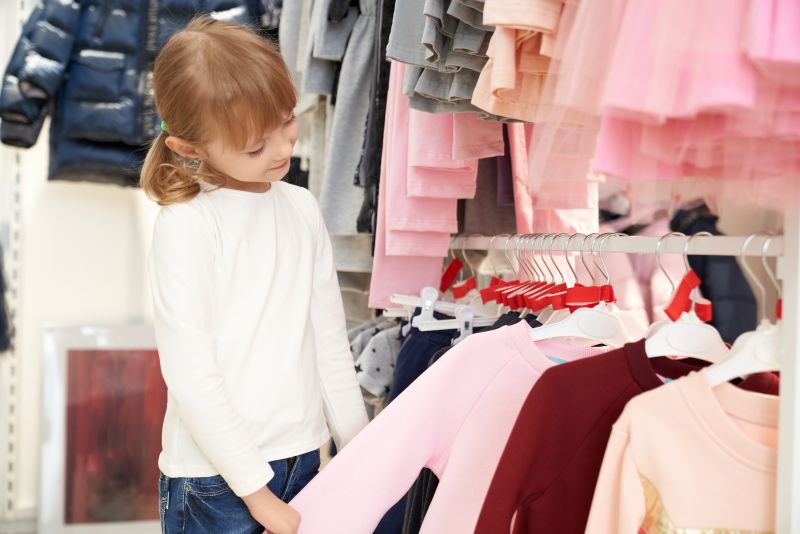
You do not need a closet full of new clothing. A smaller wardrobe with comfortable, versatile pieces is often easier to manage and more practical.
The amount your child needs depends on their age, activities, laundry schedule, and personal preferences.
Younger Kids (Elementary School): Clothes That Handle Busy School Days
Younger children need clothing that can keep up with active school days, recess, art projects, and everyday messes.
Focus on:
- Comfortable everyday outfits
- Easy-to-wash fabrics
- Clothing that allows movement
- Extra options for spills and accidents
A practical wardrobe may include:
- 5 to 7 everyday outfits
- Extra shirts for unexpected messes
- Comfortable sweaters or hoodies
- Seasonal outerwear
- Everyday shoes and gym shoes
Tweens and Intermediate Students: Balancing Comfort and Personal Style
As children get older, they begin developing their own preferences and wanting more control over what they wear.
A good wardrobe includes:
- Reliable basics
- Comfortable jeans, leggings, or pants
- Hoodies and sweaters
- Layering pieces
- A few items that reflect their personality
Encourage tweens to choose clothing they feel comfortable wearing while learning how to make smart purchasing decisions.
Teens and High School Students: Building a Practical Wardrobe With Personal Style
For teens, clothing often becomes a form of self-expression. This is also a great time to teach budgeting and thoughtful shopping.
Focus on:
- Versatile everyday clothing
- Pieces that follow school dress expectations
- Comfortable basics
- A few trend-focused items they love
Work together to create a shopping list and budget so teens can learn the difference between needs and wants.
3. Create a Mix and Match School Wardrobe
The most efficient wardrobes are built around pieces that work together.
Choose:
- Basic colours such as black, navy, grey, beige, and white
- Your child’s favourite colours or patterns for personality
- Layering pieces like hoodies, sweaters, cardigans, and light jackets
A mix and match wardrobe allows children to create more outfits without buying a large number of items.
4. Back to School Clothes Checklist
Use this checklist when planning your child’s school wardrobe.
Everyday Basics
- T-shirts and long sleeve tops
- Comfortable pants, jeans, leggings, or shorts
- Hoodies, sweaters, and sweatshirts
- Underwear and socks
Seasonal Clothing
- Fall jacket
- Raincoat and rain boots
- Winter coat
- Hat, gloves, and warm layers
- Seasonal accessories
Activity Clothing
- Gym clothes
- Sportswear
- Comfortable play clothes for younger children
5. Prioritize Comfort for the School Day
A child who is uncomfortable may have difficulty focusing during class.
Look for:
- Breathable fabrics such as cotton blends
- Stretch materials for easier movement
- Comfortable waistbands
- Tag free options for sensitive children
- Clothing that works for sitting, walking, and playing
Comfort should always be a priority because children spend many hours wearing their school clothes.
6. Back to School Shoe Shopping Tips
Shoes are one of the most important back to school purchases because children wear them every day.
Consider:
Everyday School Shoes
Look for:
- Comfort
- Durability
- Proper fit
- Support for active feet
Gym Shoes
Many schools require separate indoor gym shoes.
Choose:
- Lightweight shoes
- Comfortable fit
- Non marking soles
Seasonal Footwear
Depending on where you live, your child may also need:
- Rain boots
- Winter boots
- Waterproof footwear
Check last year’s shoes before shopping to see if they still fit and provide enough support.
7. Quality vs Trends: What Is Worth Investing In?
Children and teens often want the newest styles and popular brands. A balanced approach helps you stay within budget.
Spend more on items that receive daily use:
- Shoes
- Winter coats
- Backpacks
- Jackets
- Jeans
Save money on:
- Basic shirts
- Socks
- Simple accessories
- Trend items children may quickly outgrow
Allowing kids to choose a few pieces they love helps them feel confident while keeping purchases practical.
8. Saving Money on Back to School Clothes Shopping
Smart planning can help reduce expenses.
Try these strategies:
- Shop your child’s closet first
- Create a clothing budget
- Make a shopping list before visiting stores
- Compare prices
- Shop sales and clearance sections
- Consider secondhand clothing
- Buy versatile pieces that create multiple outfits
Before shopping, review these Back to School Shopping: Smart Strategies to Save Money tips to help your family make thoughtful purchasing decisions.
9. Getting Kids Involved in Clothing Choices
Teaching children how to manage clothing choices helps build independence.
Younger Kids
Encourage them to:
- Choose between approved outfit options
- Put clothing away
- Help organize their drawers
Tweens and Teens
Help them learn to:
- Create a clothing budget
- Compare prices
- Understand needs versus wants
- Care for their clothing
These skills help prepare children for future responsibilities.
10. Organizing School Clothes Before the First Day
A little preparation can make busy mornings easier.
Before school begins:
- Clean out closets and drawers
- Remove clothing that no longer fits
- Donate gently used items
- Organize clothing by type
- Prepare a few easy outfit options
For more ideas on creating smoother routines, see Back to School Organization Ideas for a Stress Free Year.
Common Back to School Clothes Shopping Mistakes
Avoid these common mistakes:
- Buying too many trendy items
- Not checking what your child already owns
- Choosing style over comfort
- Forgetting seasonal weather needs
- Shopping without a budget
- Buying clothing that children will not actually wear
Frequently Asked Questions
How many school outfits does a child need?
Most children need about 5 to 7 everyday outfits, plus extra options for weather changes, activities, and unexpected messes.
What clothes should kids have for back to school?
Children typically need comfortable tops, bottoms, layering pieces, seasonal clothing, shoes, and activity clothing.
When is the best time to buy back to school clothes?
Shopping in late July and early August often provides the best selection. Waiting for clearance sales can help save money on some items.
Should teens choose their own back to school clothes?
Yes. Involving teens in clothing decisions while setting a reasonable budget helps them develop independence and smart shopping habits.
Final Thoughts
Back to school clothes shopping does not have to mean replacing your child’s entire wardrobe. By focusing on comfort, quality, versatility, and thoughtful planning, you can create a school wardrobe that works all year long.
Whether you are shopping for a young child starting elementary school or a teenager heading back to high school, choosing practical clothing and involving your child in the process can make the experience easier and more enjoyable.
For more ways to prepare for the school year, explore Back to School Must Haves to Help Kids Stay Organized.