
How to Protect Mature Skin From Sun Damage
8 min read
1493 words
As we gracefully navigate the journey of life, our skin evolves, reflecting our experiences and the wisdom we gain. While every stage of life brings its own beauty, mature skin requires extra care and attention, especially when it comes to sun protection. Years of UV exposure can contribute to visible signs of aging, including fine lines, wrinkles, age spots, and uneven skin tone. The good news is that it is never too late to develop healthy habits that protect your complexion and support radiant, healthy-looking skin. In this guide, we will explore why mature skin needs extra sun protection and share practical tips to help keep your skin healthy, comfortable, and protected at every age.
Protecting your skin from the sun is also an important part of healthy aging. For more ways to support your skin as you age, read our guide: Aging Gracefully: Science-Backed Tips for Healthy Skin.
Why Mature Skin Needs Extra Sun Protection
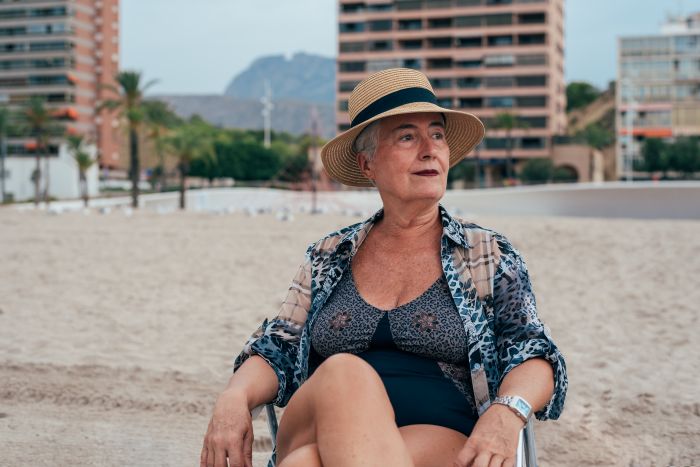
With age, our skin naturally undergoes changes. It can become thinner, drier, and more sensitive due to slower cell turnover, reduced collagen and elastin production, and a decreased ability to retain moisture.
At the same time, years of accumulated UV exposure from the sun can contribute significantly to visible signs of aging, including:
- Fine lines and wrinkles
- Age spots and uneven pigmentation
- Loss of firmness and elasticity
- Dryness and rough texture
- Increased sensitivity
Understanding these changes highlights the importance of daily sun protection for maintaining healthy and radiant skin. It is one of the most effective anti-aging sun care tips you can adopt for long-term skin wellness.
How Sun Damage Affects Mature Skin
The Long-Term Effects of UV Exposure
The sun produces two primary types of harmful ultraviolet (UV) rays that affect our skin: UVA and UVB.
UVA Rays
UVA rays penetrate deeper into the skin and are strongly associated with premature aging. They contribute to:
- Fine lines and wrinkles
- Loss of elasticity
- Changes in skin texture
- Uneven skin tone
UVA rays are present year-round, even on cloudy days.
UVB Rays
UVB rays primarily affect the skin’s surface and are responsible for:
- Sunburn
- Skin inflammation
- Increased risk of skin cancer
Both UVA and UVB rays contribute to:
- Collagen and elastin breakdown
- Age spots and pigmentation changes
- Dryness and weakened skin barrier function
- Increased risk of skin cancer, including melanoma, basal cell carcinoma, and squamous cell carcinoma
Why Prevention Matters at Any Age
It is never too late to improve your sun protection habits. Even if you feel years of sun exposure have affected your skin, adopting consistent protective measures today can help prevent additional damage and support your skin’s health.
Consistency matters more than perfection. Every sunscreen application, protective clothing choice, and healthy skincare habit contributes to healthier-looking skin.
1. Wear Sunscreen Every Day
Wearing sunscreen daily is the foundation of sun protection for mature skin. It is your first line of defense against harmful UV rays.
Choosing the Right Sunscreen for Mature Skin
Look for:
Broad-Spectrum Protection
Choose sunscreen that protects against both UVA and UVB rays.
SPF 30 or Higher
SPF 30 or higher provides effective daily protection.
Moisturizing Formulas
Mature skin often benefits from sunscreens containing hydrating ingredients that help prevent dryness.
Mineral vs. Chemical Sunscreens
Mineral sunscreens contain ingredients such as zinc oxide and titanium dioxide. They sit on top of the skin and reflect UV rays and are often a good choice for sensitive skin.
Chemical sunscreens absorb UV rays and convert them into heat. They are also effective and may feel lighter on some skin types.
The best sunscreen is the one you will use consistently.
How to Apply Sunscreen Correctly
For the best protection:
- Apply sunscreen every morning as the final step in your skincare routine before makeup.
- Cover your face, neck, chest, ears, and hands.
- Reapply every two hours when outdoors, swimming, or sweating.
- Replace expired sunscreen because it may no longer provide reliable protection.
2. Protect Your Neck, Chest, and Hands
Often-Forgotten Areas That Show Sun Damage
The neck, décolletage (upper chest), and hands are often overlooked but are among the first areas to show signs of sun damage.
These areas may develop:
- Age spots
- Thinning skin
- Dryness
- Texture changes
Tips:
- Extend skincare beyond your face by applying serums and moisturizers to your neck and chest.
- Apply sunscreen daily to exposed areas.
- Use nourishing moisturizers to support hydration.
3. Add Skin-Loving Ingredients to Your Routine
Beyond sunscreen, certain skincare ingredients can support mature skin health.
Vitamin C
Vitamin C is a powerful antioxidant that can help brighten dull-looking skin, improve the appearance of uneven tone, and support protection from environmental stress.
Retinol
Retinol is a form of vitamin A commonly used to improve the appearance of fine lines, wrinkles, and skin texture.
Because retinol can increase sensitivity, sunscreen is especially important when using it.
Hyaluronic Acid
Hyaluronic acid helps attract and retain moisture, making skin appear smoother and more hydrated.
Ceramides
Ceramides support the skin barrier and help prevent moisture loss, which is especially beneficial for dry mature skin.
A Simple Morning Skincare Routine for Mature Skin
A consistent routine can help protect and nourish aging skin.
Step 1: Gentle Cleanser
Use a cleanser that removes dirt and oil without stripping natural moisture.
Step 2: Antioxidant Serum
A vitamin C serum can help brighten the appearance of skin and support protection against environmental stress.
Step 3: Moisturizer
Choose a hydrating moisturizer with ingredients such as ceramides or hyaluronic acid.
Step 4: Sunscreen
Finish with broad-spectrum SPF 30 or higher every morning.
4. Wear Protective Clothing and Accessories

Sunscreen Isn’t the Only Protection
While sunscreen is essential, physical barriers provide additional protection.
Include:
- Wide-brimmed hats
- UV-protective sunglasses
- Lightweight long sleeves
- UPF clothing
Sun protection can also be stylish. Today’s hats, sunglasses, and lightweight clothing options allow you to enjoy the outdoors while protecting your skin.
5. Limit Sun Exposure During Peak Hours
UV rays are strongest between approximately 10 AM and 4 PM.
Tips:
- Schedule outdoor activities earlier or later in the day.
- Seek shade whenever possible.
- Use umbrellas or outdoor shade structures.
If you enjoy gardening, walking, or outdoor activities, planning around peak sun hours can significantly reduce exposure.
6. Keep Mature Skin Hydrated
Mature skin naturally becomes drier because of changes in oil production and the skin barrier.
Sun exposure can increase moisture loss, making hydration especially important.
Tips:
- Use a gentle hydrating cleanser.
- Apply moisturizer morning and night.
- Drink enough water.
- Look for ingredients such as glycerin and hyaluronic acid.
7. Be Gentle With Exfoliation
Exfoliation can improve skin texture, but mature skin may require a gentler approach.
Avoid harsh scrubs and choose mild exfoliating products such as:
- Lactic acid
- Polyhydroxy acids (PHAs)
- Gentle enzyme exfoliants
Benefits include:
- Smoother texture
- More even-looking complexion
- Better absorption of skincare products
8. Eat Foods That Support Healthy Skin
Healthy skin starts from the inside out. A balanced diet rich in antioxidants and nutrients can support your skin’s natural defenses.
Include:
- Berries
- Leafy greens
- Tomatoes
- Carrots
- Nuts and seeds
- Avocados
- Fatty fish such as salmon
These foods provide vitamins, minerals, and healthy fats that support overall skin health.
9. Protect Your Lips and Eyes
The lips and eye area are delicate and often forgotten when applying sun protection.
Lips
Use an SPF lip balm to protect against sun damage and dryness.
Eyes
Wear UV-blocking sunglasses to protect your eyes and the delicate skin around them.
10. Avoid Tanning Beds
Tanning beds expose skin to concentrated UV radiation and can accelerate visible aging.
They can contribute to:
- Increased wrinkles
- Pigmentation changes
- Higher risk of skin cancer
Safer alternatives include:
- Self-tanners
- Bronzing moisturizers
- Body makeup
Common Sun Protection Mistakes to Avoid

Avoid these common mistakes:
- Only wearing sunscreen on sunny days
- Forgetting your neck and hands
- Not reapplying sunscreen
- Using expired sunscreen
- Over-exfoliating
- Believing a tan means healthy skin
A tan is actually a sign that your skin has responded to UV exposure.
When to See a Dermatologist
Regular skin checks are an important part of healthy aging.
Speak with a dermatologist about:
- New or changing spots
- Unusual skin changes
- Sores that do not heal
- Persistent redness, itching, or irritation
Regular professional checks can help identify concerns early.
Sun Protection Is Self-Care, Not Just Skincare
Protecting your skin from the sun is not about avoiding the outdoors or stopping the natural aging process. It is about caring for yourself so you can continue enjoying the activities you love.
Whether you enjoy gardening, travelling, walking, swimming, or spending time with family, smart sun protection habits allow you to enjoy life while caring for your skin.
Final Thoughts: Healthy Skin at Every Age

Protecting mature skin from sun damage is one of the best gifts you can give yourself.
While aging is a natural and beautiful part of life, healthy habits can help your skin remain comfortable, resilient, and radiant. Sunscreen, hydration, nourishing skincare ingredients, and sun-safe choices all work together to support healthy skin at every stage.
True beauty is not about looking younger. It is about confidence, self-care, and embracing every chapter of your journey.