Aging Gracefully: Science-Backed Tips for Healthy Skin
5 min read
835 words
Aging is inevitable, but how your skin ages is largely within your control. With the right habits, ingredients, and professional guidance, you can keep your skin looking healthy, vibrant, and resilient for decades to come. The good news? Science has made enormous strides in understanding exactly what works and what doesn’t when it comes to aging gracefully.
Start With Sun Protection — Every Single Day

If there is one non-negotiable in any anti-aging routine, it is sunscreen. Ultraviolet radiation is responsible for up to 90 percent of visible skin aging, including fine lines, dark spots, and loss of elasticity. A broad-spectrum SPF 30 or higher applied every morning — yes, even on cloudy days — is the single most effective preventive step you can take. Reapply every two hours if you are spending time outdoors, and do not forget areas like the neck, chest, and the backs of your hands. These spots age just as quickly as your face but often get overlooked.
Retinoids: The Gold Standard in Anti-Aging
Few ingredients in skincare have the clinical backing that retinoids do. Derived from vitamin A, retinoids accelerate cell turnover, stimulate collagen production, and help fade hyperpigmentation. Over-the-counter retinol is widely available and effective for beginners, while prescription-strength tretinoin delivers faster, more dramatic results. If you are new to retinoids, start slowly — two to three nights a week — to allow your skin to adjust. Some initial dryness or mild peeling is normal and usually resolves within a few weeks.
Hydration Is More Than Drinking Water

Staying hydrated internally supports overall health, but topical hydration is what directly plumps and protects the skin barrier. Hyaluronic acid is a standout here. It is a naturally occurring molecule in the skin that holds up to 1,000 times its weight in water, and it becomes depleted as we age. A serum or moisturizer containing hyaluronic acid applied to slightly damp skin can visibly reduce the appearance of fine lines and keep the skin looking supple throughout the day. Pair it with a ceramide-rich moisturizer to lock in that hydration and reinforce the skin barrier.
The Role of Antioxidants
Free radical damage from pollution, stress, and sun exposure accelerates skin aging at the cellular level. Antioxidants neutralize these free radicals before they can break down collagen and elastin. Vitamin C is one of the most researched topical antioxidants — it brightens the complexion, reduces dark spots, and boosts collagen synthesis. Apply a stable vitamin C serum in the morning before your sunscreen for maximum protection. Other antioxidants worth incorporating include niacinamide, vitamin E, and green tea extract, all of which have solid scientific support.
Sleep, Stress, and the Skin Connection

The phrase “beauty sleep” is grounded in real biology. During deep sleep, the body releases growth hormone, which repairs damaged cells and supports collagen production. Chronic sleep deprivation elevates cortisol levels, which breaks down collagen and can trigger inflammation — a key driver of premature aging. Aim for seven to nine hours of quality sleep each night, and consider sleeping on a silk or satin pillowcase to reduce friction and compression lines on the face.
Stress management deserves equal attention. Sustained high cortisol levels not only break down the skin’s structural proteins but can also worsen conditions like eczema, rosacea, and acne. Regular movement, mindfulness practices, and even something as simple as spending time outdoors can make a measurable difference in your skin’s appearance over time.
Nutrition That Shows Up on Your Skin

What you eat genuinely influences how your skin ages. Diets rich in antioxidants — think colorful fruits and vegetables — protect against cellular damage. Omega-3 fatty acids found in fatty fish, flaxseeds, and walnuts help maintain the skin’s lipid barrier and reduce inflammation. Meanwhile, excessive sugar and refined carbohydrates trigger a process called glycation, where sugar molecules attach to collagen fibers and make them stiff and prone to breaking. Reducing your sugar intake is one of the most underrated anti-aging strategies around.
When to See a Professional
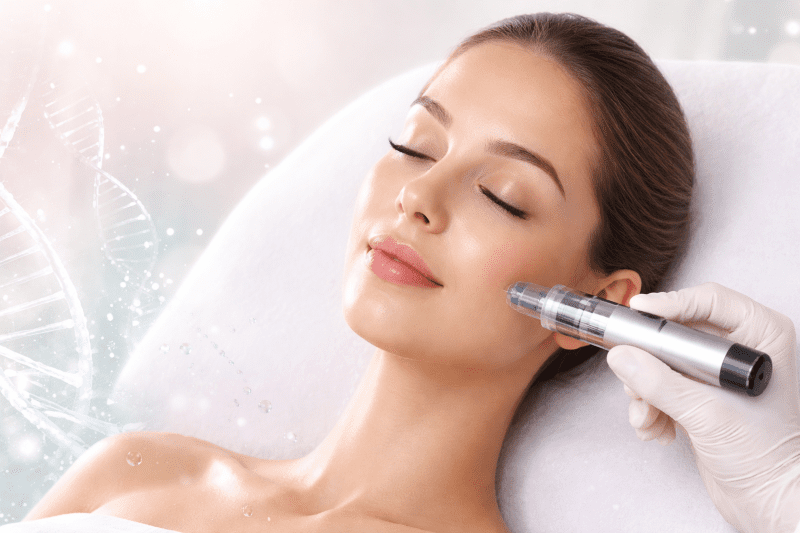
Home routines are powerful, but they have limits. If you don’t already have a trusted dermatologist, try searching “Dermatologist Near Me” in the search engine of choice. This can open the door to treatments and prescription options that over-the-counter products simply cannot match. From personalized tretinoin regimens and chemical peels to in-office procedures like microneedling or laser resurfacing, a board-certified dermatologist can assess your specific skin type, concerns, and goals and build a plan around them. Annual skin checks also help catch early signs of skin cancer, which becomes increasingly important as we age and accumulate years of sun exposure.
Consistency Is the Real Secret
No single product or treatment will reverse years of aging overnight. What science consistently shows is that sustained, daily habits produce the most meaningful results. Sunscreen every morning. A gentle, well-formulated routine. Enough sleep. A nutrient-rich diet. And when you need expert guidance, professional support. Aging gracefully is not about chasing youth — it is about investing in the long-term health of your skin so it can look and feel its best at every stage of life.