Pergola vs Gazebo: Which Is Right for Your Home?
9 min read
1638 words
Outdoor living spaces have become one of the biggest home improvement trends today. Homeowners are investing in backyard upgrades that bring comfort, beauty, and additional usable outdoor living space. Two of the most popular backyard structures are pergolas and gazebos, yet each offers a different set of benefits. The key question is simple: do you want an open-air entertaining area or a more sheltered outdoor retreat? Understanding the difference between a pergola and a gazebo will help you choose the right structure for your lifestyle, your property, and your budget.
Outdoor living spaces have become one of the biggest home improvement trends today. Homeowners are investing in backyard upgrades that bring comfort, beauty and extra usable square footage. Two of the most popular backyard structures are pergolas and gazebos, yet each delivers a different set of benefits.
The key question is simple: do you want an open‑air entertaining area or a fully covered outdoor retreat? Understanding the difference between a pergola and a gazebo will help you select the right structure for your lifestyle, your property and your budget.
What Is a Pergola?
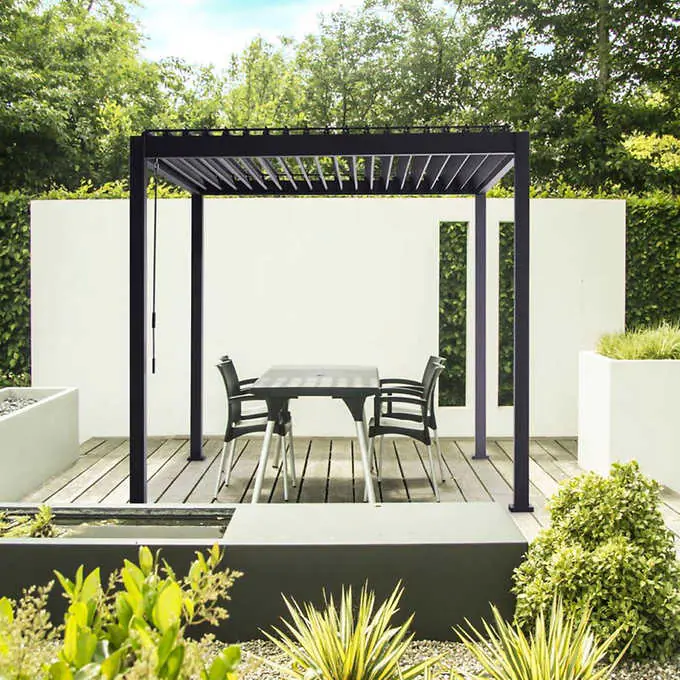
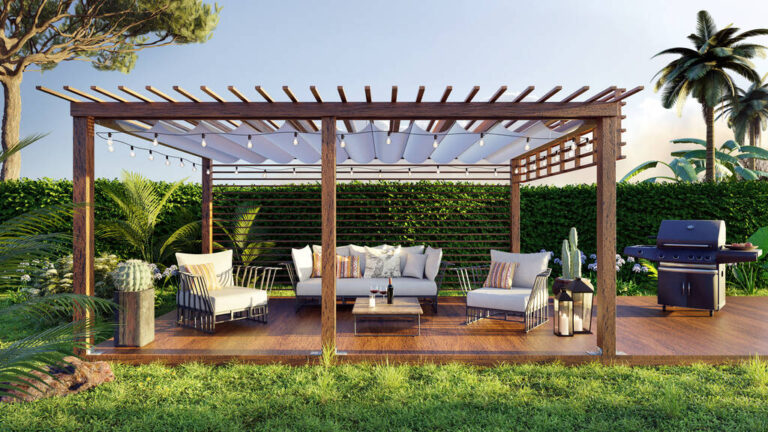
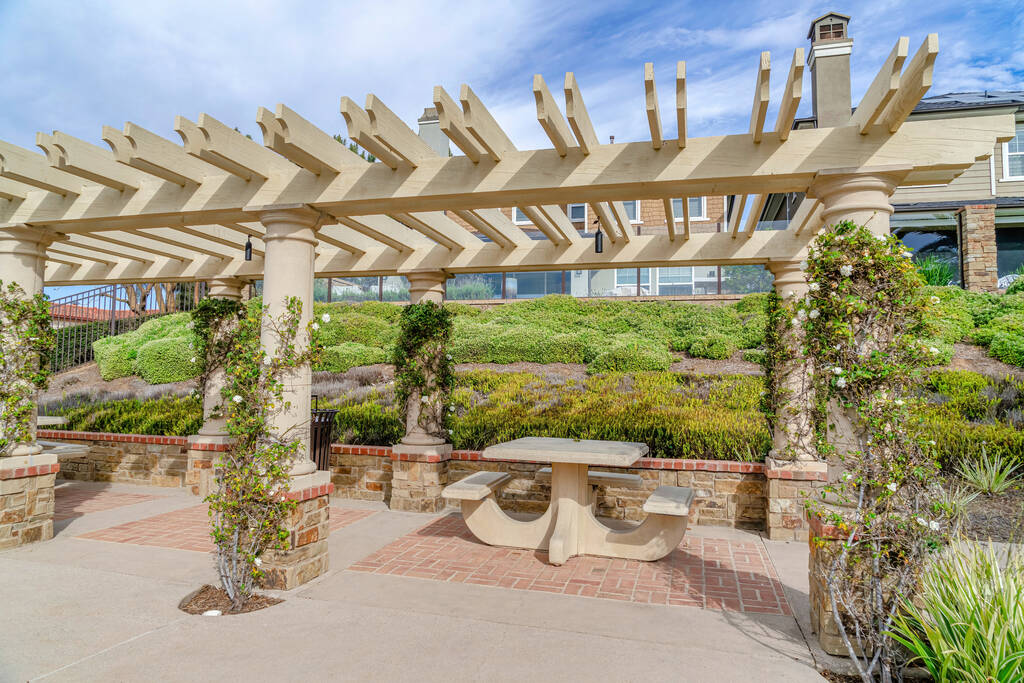
A pergola is an outdoor framework built with supporting posts, cross beams and an open or partially covered roof. Its purpose is to provide shade while preserving an airy feel.
Common Pergola Features
- Open‑air design that encourages natural breezes
- Modern architectural look that can be customized with many materials and finishes
- Ability to support climbing vines, fabric canopies or adjustable louvers
- Versatile size options that can be attached to a house, patio or deck
Popular Uses for Pergolas
- Outdoor dining areas for family meals or casual lunches
- Extensions of a patio that create a defined “room” without walls
- Backyard entertainment zones for barbecues and gatherings
- Poolside shade that adds style and comfort
- Outdoor kitchens where cooking and conversation flow together
- Garden features that give vines a structured place to grow
What Is a Gazebo?
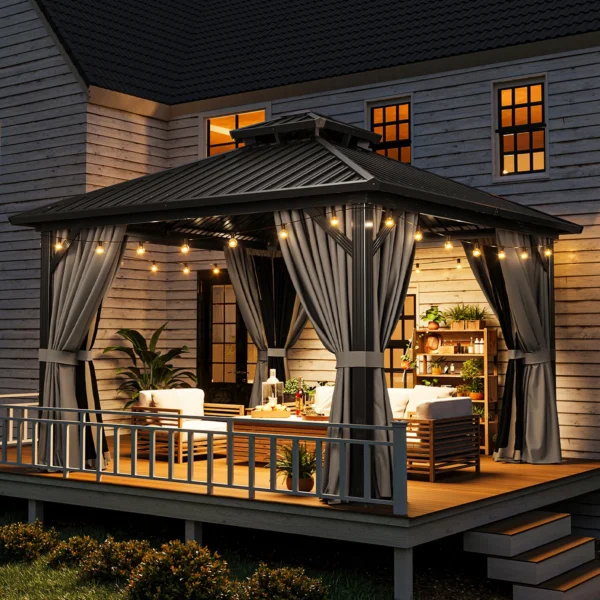
A gazebo is a freestanding pavilion with a full roof, open sides and a shape that is often circular, hexagonal or octagonal. It is designed to provide a more enclosed experience while still feeling connected to the garden.
Common Gazebo Features
- Enclosed design that offers complete protection from sun and rain
- Traditional garden appearance that can become a focal point of the yard
- Stand‑alone presence that creates a destination for relaxation or gathering
- Options for built‑in seating, screens or decorative railings
Popular Uses for Gazebos
- Cozy relaxation zones for reading, napping or quiet conversation
- Shelters for hot tubs or plunge pools that need protection from the elements
- Garden retreats that serve as a peaceful hideaway among plants
- Outdoor seating areas for small groups or intimate meals
- Entertainment spaces that can host parties even when the weather turns cool
Main Differences Between a Pergola and Gazebo
| Feature | Pergola | Gazebo |
|---|---|---|
| Roof | Open beams or partial covering | Solid covered roof |
| Design | Modern and architectural | Traditional and decorative |
| Placement | Often attached to a home or patio | Usually freestanding |
| Shade | Partial shade | Full shade |
| Weather protection | Limited | Better protection |
| Cost | Usually less expensive | Often higher cost |
| Maintenance | Lower maintenance options available | More upkeep depending on materials |
Which Provides Better Shade?
Pergola Shade Options
Because the roof is open, a pergola lets sunlight filter through. Shade can be increased with:
- Retractable canopies that slide open or closed on demand
- Outdoor curtains that add privacy and block glare
- Shade sails stretched between the beams for a modern look
- Climbing vines that naturally soften the light over time
- Adjustable louvers that tilt to control the amount of sun
Gazebo Shade Benefits
A gazebo’s solid roof blocks a larger amount of sunlight, making it the better choice for:
- Hot climates where maximum sun protection is needed
- Areas that experience frequent rain and require shelter
- Situations where you want to stay outdoors for many hours without discomfort
Cost Comparison Between Gazebo vs Pergola
Factors That Influence Price
- Overall size of the structure
- Materials selected for posts, beams and roofing
- Complexity of the design and any custom detailing
- Whether you choose a DIY approach or professional installation
- Additional features such as lighting, integrated seating or built‑in planters
Pergola Cost Overview
- Wood options that range from budget‑friendly pine to premium cedar
- Vinyl models that require minimal upkeep and resist decay
- Aluminum designs that combine strength with a sleek look
- DIY kits that allow homeowners to save on labor costs
- Professional installation for those who prefer a hands‑off experience
Gazebo Cost Overview
- Higher material requirements because of a full roof and sometimes a floor platform
- Roofing expenses that vary with metal, shingle or polycarbonate choices
- Foundation work that may include concrete piers or a deck base
- Custom designs that incorporate decorative columns, built‑in benches or lighting
Which Adds More Value to Your Home?
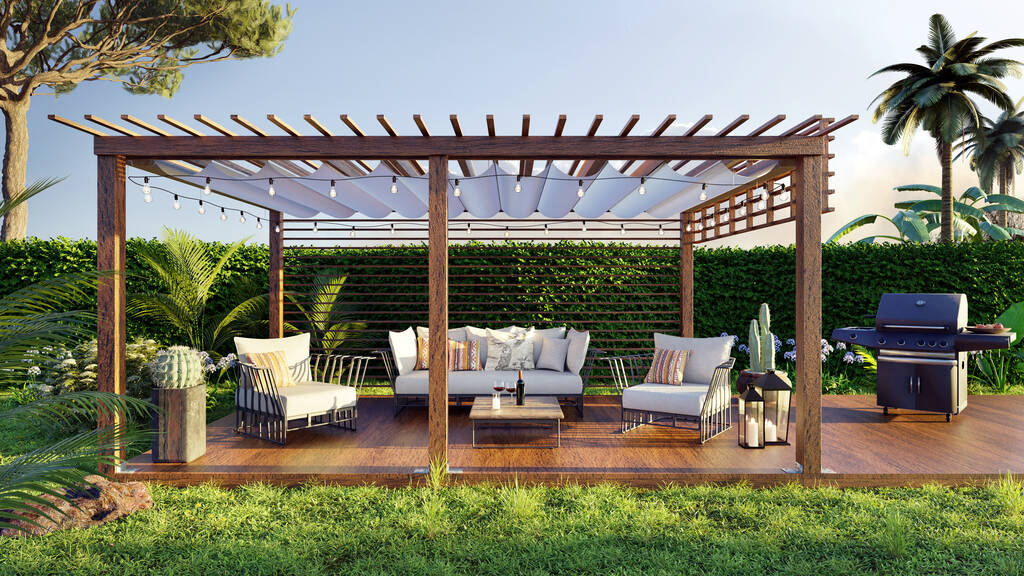
How Pergolas Increase Property Appeal
- Create an outdoor living space that expands the usable area of the home
- Enhance the visual appeal of the backyard with a stylish architectural element
- Attract buyers who enjoy entertaining and desire flexible outdoor zones
- Add architectural interest that can boost curb appeal
How Gazebos Increase Property Appeal
- Provide a luxury outdoor feature that signals thoughtful landscaping
- Offer a dedicated spot for relaxation, increasing the perceived size of the yard
- Work especially well in larger lots where a separate pavilion can become a centerpiece
Outdoor improvements can play an important role in how potential buyers view a property. A well-designed pergola can create a more inviting backyard, improve outdoor functionality, and make a home more appealing to future buyers. Learn more about how pergolas can add value to your property and why outdoor living spaces are becoming increasingly desirable features in real estate.
Pergola vs Gazebo for Small Backyards
Advantages of a Pergola in Compact Spaces
- Occupies less visual space while still defining an area
- Can be attached directly to the house, patio or deck, saving floor area
- Creates an outdoor “room” without overwhelming the yard
Advantages of a Gazebo in Compact Spaces
- Forms a distinct destination that can be positioned away from foot traffic
- Provides privacy and shelter for a small seating group
- Offers more shelter for items like a fire pit or a small hot tub
Pergola vs Gazebo for Entertaining
Choose a Pergola If You Want:
- Outdoor dining spaces that flow into the kitchen
- BBQ zones where smoke can dissipate easily
- Outdoor kitchens with appliances and countertops
- Large gatherings that benefit from an open feel
- Open‑air celebrations under the sky
Choose a Gazebo If You Want:
- A cozy seating area for intimate conversation
- Strong weather protection for year‑round use
- A quiet retreat away from the main activity hub
- A private outdoor escape that feels separate from the house
Materials for Pergola vs Gazebo
Pergola Materials
- Wood for a natural look that can be stained or painted
- Aluminum for low maintenance and resistance to rust
- Vinyl that mimics wood without the polishing needs
- Composite that blends durability with a modern appearance
Gazebo Materials
- Wood that can be crafted into classic columns and railings
- Metal frames such as steel or aluminum for strength and longevity
- Vinyl that offers a clean finish with minimal upkeep
- Composite roofing options that resist rot and water infiltration
Each material presents its own durability profile and maintenance schedule, so choose the one that fits your climate and personal preference.
Maintenance Requirements
Maintaining a Pergola
- Regular cleaning to remove dust, leaves and pollen
- Sealing or staining wood every few years to protect against moisture
- Inspecting hardware for loose bolts or rust and tightening as needed
- Caring for climbing plants by pruning and checking for pests
Maintaining a Gazebo
- Periodic roof inspections to ensure shingles or panels remain intact
- Cleaning gutters or drainage channels if the design includes them
- Repairing screens or lattice panels that may become damaged over time
- Protecting the structure with appropriate sealants or paint based on material
Can You Have Both a Pergola and a Gazebo?
Large properties often benefit from having both structures. A common layout places a pergola over the outdoor dining area while a gazebo sits near the garden or pool. This arrangement creates multiple outdoor living zones, each with its own purpose and atmosphere.
How to Decide between a Pergola or Gazebo?
Choose a Pergola If You
✔ Want a modern outdoor living space
✔ Enjoy entertaining a large group
✔ Prefer an open‑air design that feels connected to the sky
✔ Need a more affordable solution
✔ Like decorating with vines, lights and fabric
Choose a Gazebo If You
✔ Want stronger protection from sun and rain
✔ Favor a traditional, decorative look
✔ Need a private retreat for quiet moments
✔ Desire a fully covered structure for year‑round use
Permits and Installation Considerations
Before installing a pergola or gazebo, homeowners should check local building requirements. Depending on the size, location, design, and whether the structure is attached to the home, a permit may be required.
Important factors to consider include:
- Property setback requirements
- Local zoning regulations
- Foundation requirements
- Wind and snow load considerations
- Professional installation requirements
A properly planned structure will not only look better but will also provide greater safety, durability, and long-term enjoyment. Taking the time to understand installation requirements before construction can help prevent costly changes and ensure your pergola or gazebo remains a valuable addition to your outdoor space.
Conclusion
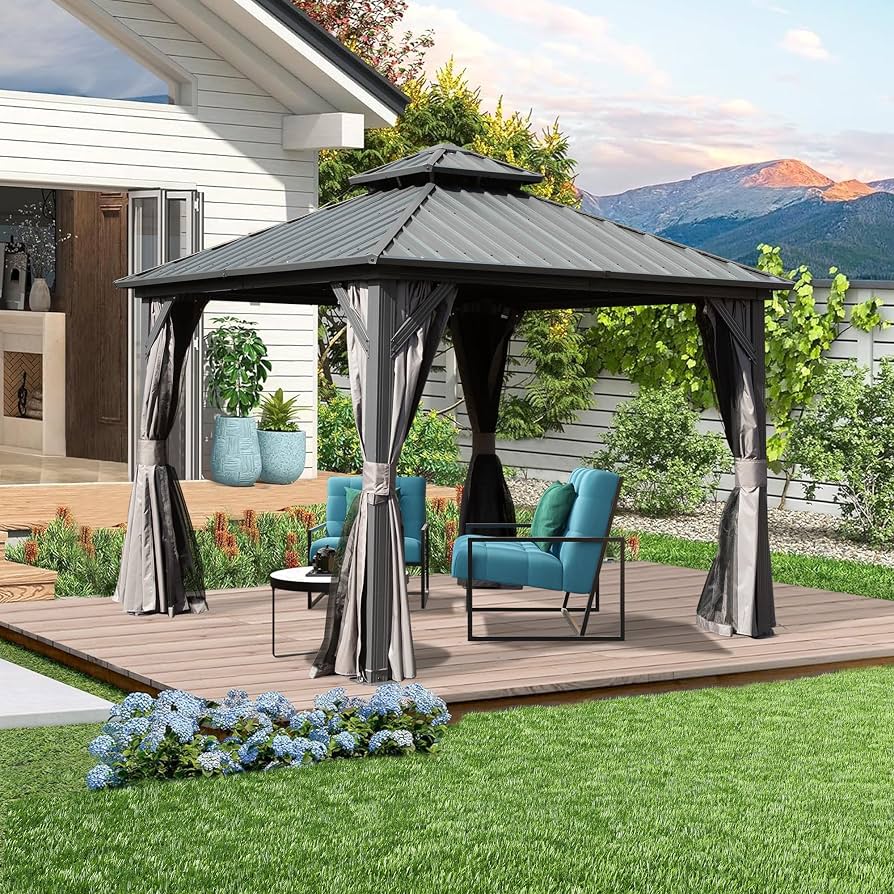
Both pergolas and gazebos can transform a backyard into a beautiful and functional outdoor living area. Pergolas are ideal for homeowners who want a flexible, open-air space designed for entertaining, dining, and enjoying nature. Gazebos are better suited for those who prefer more shelter, privacy, and a dedicated outdoor retreat.
The right choice depends on your home’s design, available space, budget, climate, and how you plan to use your backyard.
Whether you choose a pergola or gazebo, adding an outdoor structure can enhance your home’s beauty, functionality, and enjoyment for years to come.