Can Smartwatches Predict Fainting? New Galaxy Watch Study
3 min read
564 words
For decades, the wearable tech industry has focused on counting steps, tracking calories, and monitoring sleep. But the next frontier of health tracking is far more ambitious: predicting medical emergencies before they happen. Recent clinical research has ignited excitement, suggesting that fainting prediction using smartwatches may soon move from scientific theory to a life-changing reality.
Understanding Fainting (Vasovagal Syncope)
Fainting, clinically referred to as vasovagal syncope (VVS), occurs when your body overreacts to certain triggers—such as extreme emotional distress, blood, or prolonged standing—causing a sudden drop in heart rate and blood pressure.
For many, a fainting episode is a one-off event. For others, however, it can be a recurrent, debilitating issue. The danger isn’t just the loss of consciousness itself; it is the risk of injury during the fall and the anxiety of not knowing when an episode might strike. Early prediction is the “holy grail” for patients, as it provides a critical window of time to sit down, hydrate, or reach for safety before losing consciousness.
A Breakthrough in Wearable Research
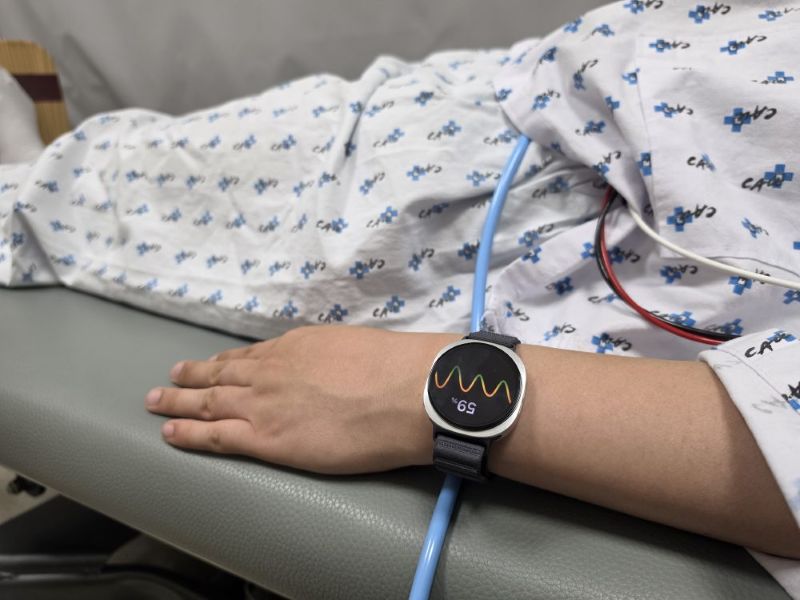
In a significant development, Samsung Electronics Co., Ltd. recently announced a joint clinical study with Chung-Ang University Gwangmyeong Hospital in Korea. The study aimed to determine if consumer-grade wearables could detect the warning signs of vasovagal syncope.
By utilizing the Galaxy Watch6, researchers analyzed biosignals from patients prone to fainting. The results were highly encouraging, demonstrating an impressive ability to predict VVS episodes with high accuracy. This study marks a fundamental shift in the industry, moving wearables away from being simple “fitness trackers” and toward becoming sophisticated tools for wearable health prediction AI.
How Smartwatches May Detect Fainting Risk
Heart Rate Variability (HRV): HRV measures the variation in time between each heartbeat. Significant shifts in these patterns often precede a vasovagal episode as the autonomic nervous system struggles to maintain equilibrium.
Autonomic Nervous System (ANS) Signals: By analyzing biosensor data, the Galaxy Watch can infer how the ANS—the system responsible for involuntary bodily functions—is reacting to stress or environmental triggers.
Motion and Posture Data: Integrating accelerometer and gyroscope data allows the watch to detect the subtle physical instability that often precedes a syncopal event.
By synthesizing these data points, the Samsung Galaxy Watch medical study shows that AI can identify patterns that are invisible to the naked eye, effectively acting as an early-warning system.
What This Means: The Path Forward
While these findings are undeniably exciting, it is vital to manage expectations. As it stands, early research suggests that this technology has immense potential, but it is not yet a diagnostic tool.
- Not a Replacement for Medical Advice: These technologies are currently in the research and validation phase.
- Medical Validation at Scale: Further clinical trials are required before medical deployment.
- The Future is Proactive: This technology may help predict fainting risk in advance.
The Future of AI Health Wearables
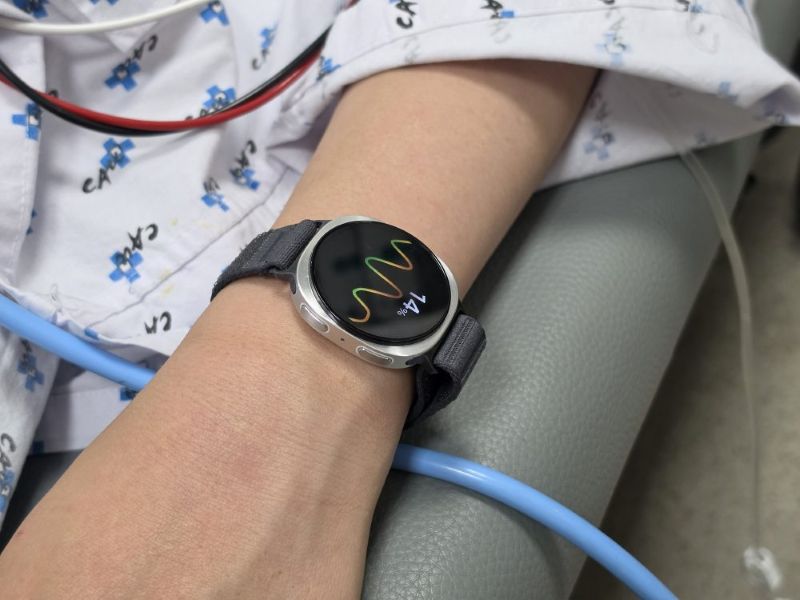
The success of this collaboration marks a turning point in the integration of consumer technology and clinical healthcare. We are moving toward a future where our devices don’t just track our history, but predict our needs.
In the coming years, we expect to see deeper integration between biosignals smartwatch monitoring and hospital systems.
By expanding beyond basic fitness metrics, the next generation of smartwatches is poised to become an essential component of preventative medicine.
Disclaimer: This article is for informational purposes only and does not constitute medical advice.