
Common Dental Problems and How to Prevent Them
10 min read
1871 words
Welcome to our guide on common dental problems and how to prevent them. Your oral health is an important part of your overall well-being, and maintaining healthy teeth and gums can improve your comfort, confidence, and quality of life at every age.
Many dental issues develop slowly and may not cause noticeable symptoms until they become more serious. The good news is that many common dental problems can be prevented with simple daily habits, regular dental care, and healthy lifestyle choices.
Whether you are trying to prevent cavities, protect your gums, or maintain your smile as you age, understanding common dental concerns is the first step toward better oral health.
Why Oral Health Matters at Every Age

Your mouth does much more than create a beautiful smile. Healthy teeth and gums allow you to chew comfortably, speak clearly, enjoy your favourite foods, and maintain confidence.
Poor oral health can lead to discomfort, infections, difficulty eating, and even tooth loss. As we age, our dental needs can change due to factors such as medications, dry mouth, changes in diet, and natural changes to our teeth and gums.
Taking care of your oral health throughout life can help prevent many problems before they become painful or require extensive treatment.
How Your Mouth Affects Your Overall Health
Your mouth is often considered a reflection of your overall health. Bacteria and inflammation associated with oral health problems can affect more than just your teeth and gums.
Maintaining good oral hygiene helps protect against:
- Tooth decay
- Gum disease
- Dental infections
- Tooth loss
- Unnecessary discomfort
Certain factors can increase the risk of dental problems, including:
- Poor brushing and flossing habits
- High-sugar diets
- Smoking and tobacco use
- Certain medications
- Dehydration
- Skipping regular dental appointments
By understanding common dental concerns, you can take proactive steps to protect your smile.
1. Tooth Decay (Cavities)
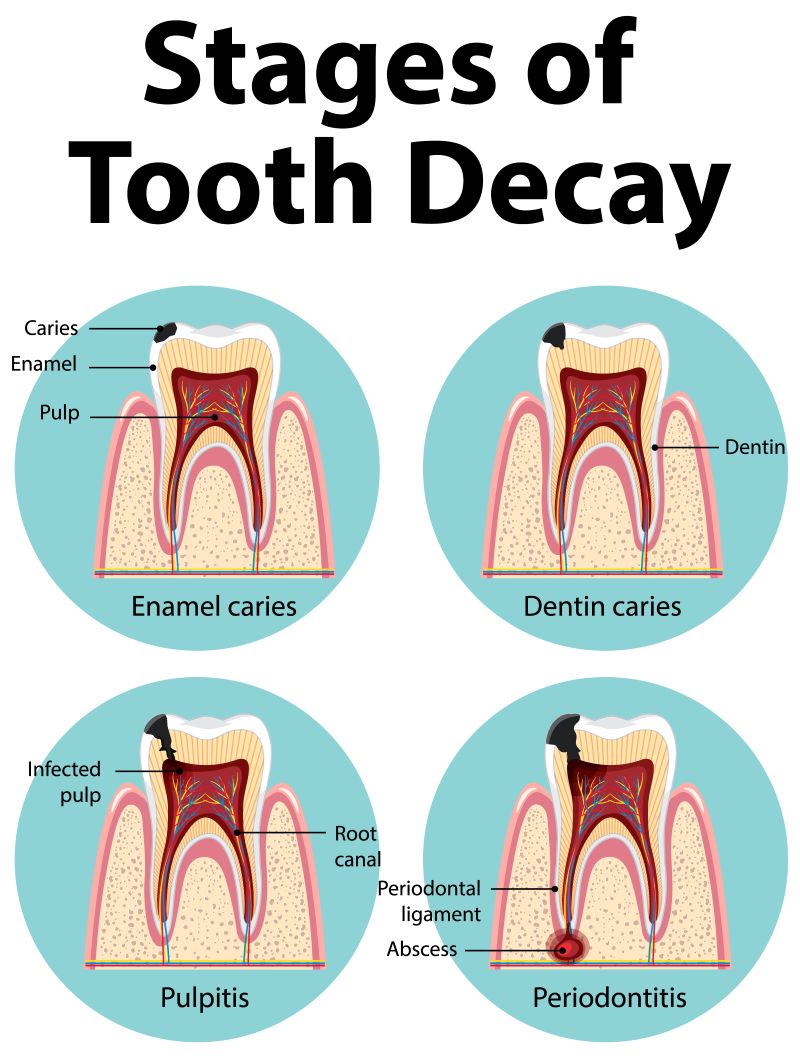
Cavities are one of the most common dental problems, but they are also one of the most preventable.
What Causes Cavities?
Cavities occur when bacteria in your mouth feed on sugars from food and drinks. These bacteria produce acids that attack the protective enamel layer of your teeth. Over time, this can create small holes or areas of decay.
Common causes include:
- Poor brushing habits
- Frequent sugary snacks and drinks
- Plaque buildup
- Lack of fluoride protection
- Frequent acidic foods and beverages
Signs of Tooth Decay
Symptoms may include:
- Tooth sensitivity
- Tooth pain
- Pain when eating hot, cold, or sweet foods
- Visible dark spots or holes
- Discomfort when biting
How to Prevent Cavities
Protect your teeth by:
- Brushing twice daily with fluoride toothpaste
- Flossing every day
- Limiting sugary foods and drinks
- Drinking water regularly
- Visiting your dentist for checkups and cleanings
2. Gum Disease (Gingivitis and Periodontitis)
Gum disease affects the tissues that support your teeth and is a leading cause of tooth loss in adults.
What Is Gum Disease?
Gum disease begins when plaque builds up along the gumline. Early gum disease, known as gingivitis, causes inflammation and may be reversible with proper care.
If left untreated, it can progress to periodontitis, which can damage the bone and tissues supporting your teeth.
Symptoms to Watch For
Signs include:
- Red or swollen gums
- Bleeding while brushing or flossing
- Bad breath
- Gum recession
- Loose teeth
Prevention Tips
Reduce your risk by:
- Brushing gently along the gumline
- Flossing daily
- Scheduling professional cleanings
- Avoiding tobacco products
- Addressing bleeding gums early
3. Tooth Sensitivity
Many people experience a sharp pain when eating hot, cold, or sweet foods. This may be caused by tooth sensitivity.
Why Teeth Become Sensitive
Sensitivity can occur when the protective enamel wears down or when gums recede and expose the sensitive root area.
Common causes include:
- Aggressive brushing
- Gum recession
- Tooth grinding
- Cavities
- Whitening products
Ways to Reduce Sensitivity
Helpful steps include:
- Using toothpaste designed for sensitive teeth
- Using a soft-bristled toothbrush
- Avoiding overly acidic foods
- Treating cavities or gum problems
- Discussing treatments with your dentist
4. Bad Breath (Halitosis)
Bad breath is common and often linked to oral health issues.
Causes of Bad Breath
Common causes include:
- Poor oral hygiene
- Bacteria on the tongue
- Food trapped between teeth
- Gum disease
- Dry mouth
- Certain foods and medications
Prevention Tips
Keep your breath fresh by:
- Brushing your tongue
- Flossing daily
- Drinking enough water
- Cleaning dentures properly
- Maintaining regular dental care
5. Dry Mouth
Dry mouth occurs when your body does not produce enough saliva. Saliva is important because it helps wash away bacteria and protect teeth from decay.
Causes of Dry Mouth
Common causes include:
- Medications
- Aging
- Dehydration
- Certain medical conditions
Managing Dry Mouth
Try:
- Drinking water throughout the day
- Chewing sugar-free gum
- Using saliva substitutes if recommended
- Limiting alcohol and caffeine
Talk with your dentist if dry mouth continues, as it can increase the risk of cavities.
6. Cracked Teeth and Tooth Damage
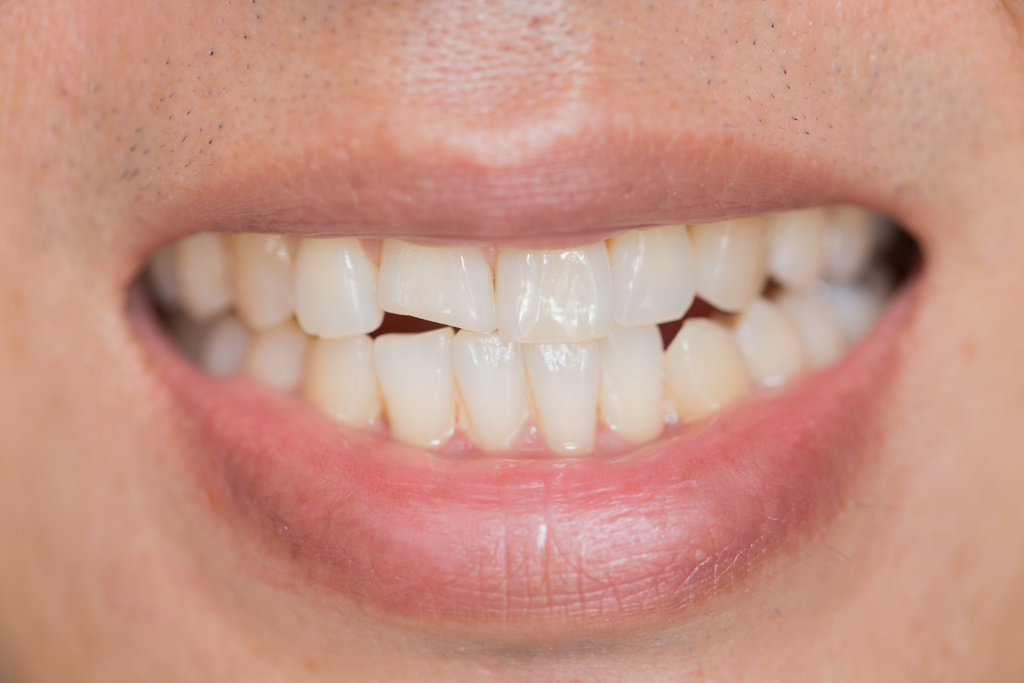
A cracked tooth can cause pain and may lead to infection if untreated.
Causes Include:
- Chewing ice or hard objects
- Sports injuries
- Teeth grinding
- Large fillings that weaken teeth
Prevention
Protect your teeth by:
- Avoiding hard foods that can damage teeth
- Wearing a mouthguard during sports
- Addressing teeth grinding
- Visiting your dentist if you notice pain or sensitivity
7. Dental Abscesses and Oral Infections
A dental abscess is an infection caused by bacteria entering a tooth or gum tissue.
Warning Signs
Seek dental care if you experience:
- Severe tooth pain
- Facial swelling
- Fever
- A bad taste in your mouth
- Pus or drainage
Early treatment can prevent the infection from becoming more serious.
If you recently had a tooth removed, proper aftercare is important. Learn more about protecting your healing extraction site in our article: How to Prevent Dry Socket After Tooth Extraction.
8. Wisdom Teeth Problems and When Removal May Be Needed
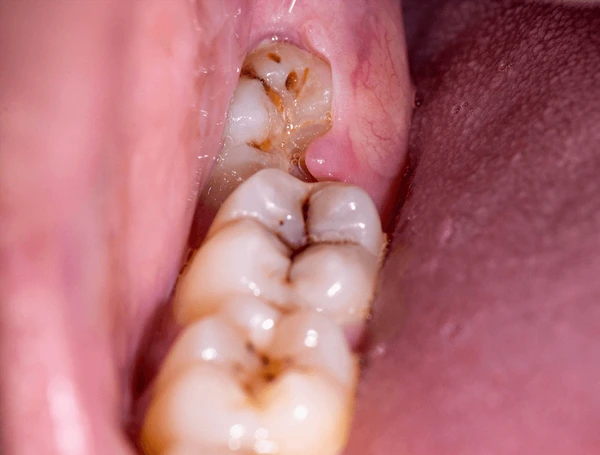
Wisdom teeth, also called third molars, are the final set of teeth to develop and usually appear during the late teens or early adulthood. While some people keep their wisdom teeth without problems, others may experience complications if the teeth do not grow properly or there is not enough room in the mouth.
Potential problems with wisdom teeth include:
- Impacted teeth that become trapped under the gums
- Pain and swelling
- Recurring gum infections
- Cavities that are difficult to clean
- Damage to nearby teeth
- Crowding or pressure on surrounding teeth
Not everyone needs their wisdom teeth removed. If they are healthy, properly positioned, and easy to clean, a dentist may recommend monitoring them with regular checkups and dental X-rays.
If you are experiencing wisdom tooth pain or have questions about whether removal is necessary, learn more in our guide: Is Wisdom Teeth Removal Really Necessary?
Daily Habits for Healthy Teeth and Gums
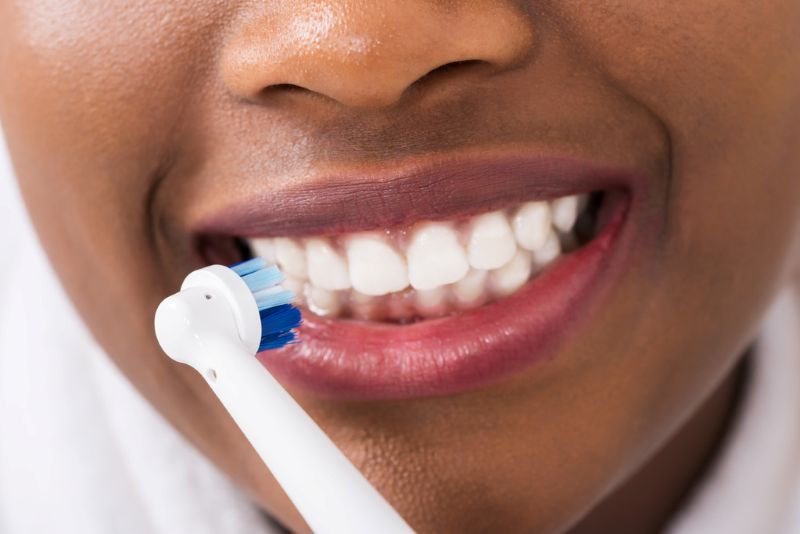
A consistent oral care routine is one of the best ways to prevent common dental problems. Daily habits help remove plaque, protect tooth enamel, and reduce the risk of cavities and gum disease.
Plaque is a sticky layer of bacteria that naturally forms on your teeth throughout the day. When plaque is not removed regularly, it can contribute to tooth decay, gum irritation, and eventually harden into tartar, which requires professional dental cleaning to remove.
Simple Steps to Remove Plaque and Protect Your Smile
Follow these daily habits:
- Brush your teeth twice a day with fluoride toothpaste
- Brush for about two minutes, making sure to clean all tooth surfaces
- Floss daily to remove plaque and food particles between teeth
- Clean your tongue to help reduce bacteria and freshen breath
- Drink plenty of water to support saliva production
- Visit your dentist regularly for professional cleanings and checkups
Proper brushing technique and cleaning between teeth are important because toothbrushes cannot always reach the areas where plaque collects, especially between teeth and along the gumline.
For a more detailed guide on removing plaque, improving your brushing routine, and keeping your smile healthier, read our article: How to Remove Plaque From Teeth: The Complete Guide
Foods and Drinks That Affect Your Dental Health
What you eat and drink every day plays an important role in protecting your teeth and gums. While brushing and flossing are essential, your diet can either support a healthy smile or increase your risk of cavities, enamel erosion, and sensitivity.
Some foods help strengthen teeth and support saliva production, while others can expose your teeth to acids and sugars that contribute to dental problems.
Tooth-Friendly Foods to Include
Choose foods that provide important nutrients for strong teeth and healthy gums:
Dairy Products
Milk, cheese, and yogurt contain calcium and other minerals that help support strong tooth enamel.
Crunchy Fruits and Vegetables
Foods such as apples, carrots, and celery can help stimulate saliva production and naturally clean the mouth while chewing.
Lean Proteins
Foods like fish, eggs, chicken, and beans provide nutrients that support healthy gums and tissues.
Nuts and Seeds
Nuts and seeds provide minerals such as calcium and phosphorus that support dental health.
Water
Water is one of the best choices for your teeth. It helps rinse away food particles, supports saliva production, and helps keep your mouth hydrated.
Foods and Drinks That May Harm Your Teeth
Certain foods and beverages can increase the risk of tooth decay and enamel damage, especially when consumed frequently.
Be mindful of:
- Sugary drinks such as soda, energy drinks, and sweetened beverages
- Sticky candies that cling to teeth
- Frequent snacking on sweets
- Acidic foods and drinks that can weaken enamel
- Sugary coffee and tea drinks
You do not have to eliminate every treat, but enjoying these foods in moderation and practicing good oral hygiene afterward can help protect your smile.
Learn more about the foods and beverages that can affect your oral health in our guide: Foods and Drinks Your Teeth.
Everyday Habits That Can Harm Your Teeth
Even with regular brushing and flossing, some everyday habits can quietly damage your teeth over time. Small changes to your daily routine can help protect your enamel, prevent sensitivity, and support a healthier smile.
Habits that may affect your dental health include chewing on hard objects, using your teeth as tools, brushing too aggressively, frequently sipping sugary or acidic drinks, and ignoring signs of teeth grinding.
Learn more about these common mistakes and how to protect your smile in our guide: Everyday Habits That Quietly Damage Your Teeth.
Dental Care Tips for Adults Over 50
As we get older, dental care becomes even more important.
Pay attention to:
- Dry mouth caused by medications
- Gum recession
- Tooth sensitivity
- Caring for crowns, implants, or dentures
- Regular professional cleanings
Aging does not mean losing your smile. With proper care, many people maintain healthy teeth throughout their lifetime.
When to See a Dentist
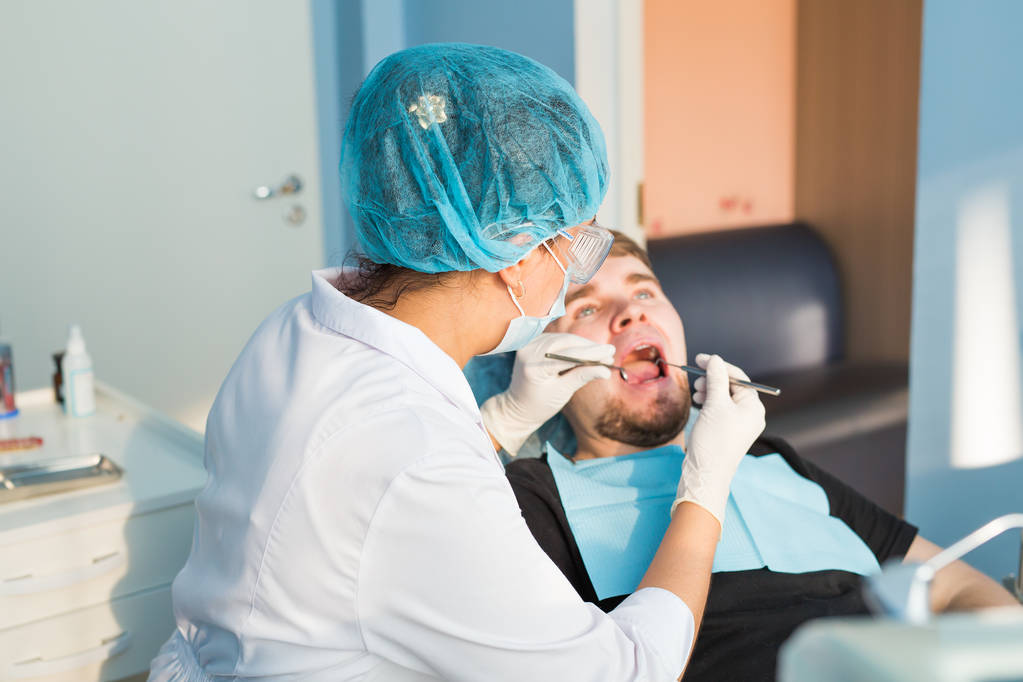
Do not wait until a dental problem becomes severe.
Schedule a dental appointment if you notice:
- Persistent tooth pain
- Bleeding gums
- Ongoing bad breath
- Loose teeth
- Mouth sores that do not heal
- Changes in your bite
- Sensitivity that does not improve
Regular checkups help identify problems early and keep your smile healthy.
Final Thoughts: Prevention Is the Key to a Healthy Smile
Most common dental problems can be prevented with consistent care and healthy habits. Brushing, flossing, eating nutritious foods, staying hydrated, and visiting your dentist regularly all contribute to better oral health.
Your smile is worth protecting at every stage of life. By taking small steps each day, you can help prevent dental problems, maintain confidence, and enjoy a healthier smile for years to come.