
Child Safety Guide: Essential Safety Tips for Parents
10 min read
1944 words
Children are naturally curious, active, and constantly learning about the world around them. Their curiosity helps them develop new skills, explore their surroundings, and gain independence. However, this curiosity can also place them in situations where they may not recognize potential dangers. While parents and caregivers cannot prevent every accident, understanding common risks and creating safe habits can significantly reduce the chance of injuries. Child safety involves more than protecting children from immediate dangers. It also includes teaching awareness, encouraging responsible decision-making, and helping children develop the skills they need to stay safe as they grow.
From babies and toddlers to school-age children and teenagers, safety needs change at every stage of development. A newborn requires a safe sleep environment, while an older child may need guidance about online safety, traffic awareness, and personal responsibility.
A complete Child Safety Guide helps parents understand common risks and practical steps they can take to create safer environments at home, outdoors, in vehicles, and within the community.
1. Understanding the Importance of Child Safety
Why Children Are More Vulnerable to Injuries
Children experience the world differently than adults, which often makes them more vulnerable to accidents and injuries. Their smaller size, developing coordination, and limited awareness of danger can make everyday environments more challenging to navigate safely.
For example, young children may not understand the dangers of running into a driveway, touching a hot surface, or approaching a moving vehicle. Their natural curiosity and desire to explore are important parts of learning, but they also mean parents need to provide guidance and supervision.
Children may also be harder for drivers to see because of their height. A child standing behind a parked vehicle or between cars can easily fall into a driver’s blind spot. Similarly, heavy furniture, household chemicals, and unsafe objects can pose greater risks because children may not recognize the danger.
Understanding these risks allows parents to create safer spaces while still allowing children the freedom to explore and learn.
The Role of Parents and Caregivers
Parents and caregivers play the most important role in creating safe environments for children. Active supervision, clear communication, and teaching safety habits from an early age can help children develop awareness and confidence.
Safety does not mean preventing children from exploring. Instead, it means creating boundaries where children can learn safely. Parents can encourage independence by teaching simple rules, explaining why safety measures matter, and leading by example.
Children often copy what they see adults doing. Wearing a helmet while cycling, looking both ways before crossing the street, wearing a seat belt, and practicing safe online habits all demonstrate behaviors children can follow.
2. Baby Safety: Protecting Your Little One
Babies depend completely on adults for protection. Because they are developing quickly and beginning to explore their surroundings, creating a safe environment is essential.
Safe Sleep Practices
Creating a secure sleeping environment is one of the most important steps for infant safety.
Parents should:
- Always place babies on their backs to sleep.
- Use a firm crib mattress with a tight-fitting sheet.
- Avoid loose blankets, pillows, stuffed animals, and other items in the crib.
- Keep the baby’s sleeping area free from hazards.
- Follow recommended room-sharing guidelines by keeping the baby’s sleep space in the same room as parents when appropriate.
A safe sleep environment helps reduce risks and gives babies a safer place to rest and develop.
Babyproofing Essentials
As babies begin rolling, crawling, and pulling themselves up, their surroundings need to be adjusted to match their new abilities.
Important babyproofing steps include:
- Installing outlet covers on reachable electrical outlets.
- Using cabinet locks to keep cleaning products, medications, and dangerous items out of reach.
- Installing safety gates at stairs.
- Securing heavy furniture, televisions, and bookshelves to prevent tipping accidents.
- Keeping window cords and other hanging objects away from babies.
- Checking floors regularly for small objects that could become choking hazards.
A home safety check should be done regularly because babies learn new skills quickly and can reach areas they could not access before.
Bath Safety
Water safety begins in the bathroom. Babies can drown in very small amounts of water, so they should never be left unattended during bath time—even for a few seconds.
Parents should:
- Always stay within arm’s reach during baths.
- Check water temperature before placing a baby in the tub.
- Use non-slip mats to help prevent falls.
- Keep bathroom products, razors, and medications stored safely away.
Creating safe bathroom habits early helps prevent accidents as children grow.
3. Toddler Safety: Managing Curiosity and Independence
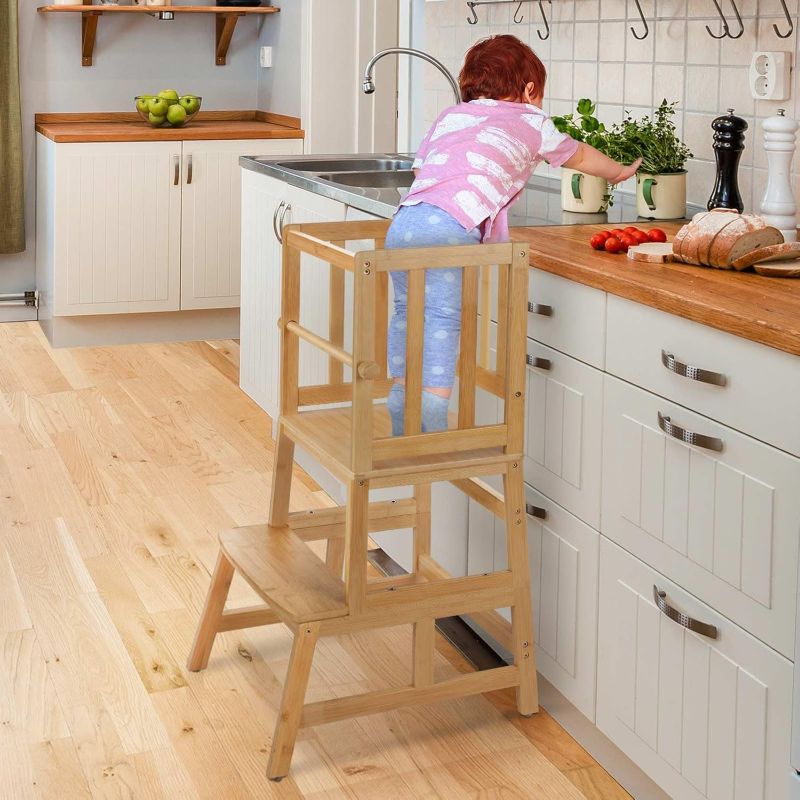
Toddlers are energetic explorers who want to touch, climb, run, and discover everything around them. This stage is exciting but also comes with increased safety risks because toddlers often act quickly without understanding consequences.
Common Toddler Risks
- Falls from furniture, stairs, or playground equipment.
- Choking hazards from small toys, food, or household objects.
- Poisoning from cleaning products, medications, or chemicals.
- Burns from hot drinks, stoves, or fireplaces.
- Running into unsafe areas such as streets, driveways, or parking lots.
Toddler Safety Tips
- Teach simple safety rules such as holding hands near roads and parking areas.
- Use childproof locks on doors, cabinets, and drawers.
- Create safe play areas where children can explore.
- Supervise toddlers closely around water, stairs, and outdoor areas.
- Teach children to stop and listen when a parent gives a safety instruction.
Toddlers learn through repetition, so consistent reminders help build lifelong safety habits.
4. Home Safety: Creating a Safe Environment
The home should be a place where children feel secure, but many everyday household items can create risks. A child-friendly home requires regular safety checks as children grow and their abilities change.
Kitchen Safety
- Keep children away from hot stoves and ovens.
- Turn pot handles toward the back of the stove.
- Store knives and sharp tools safely.
- Keep cleaning products and chemicals out of reach.
- Avoid leaving small objects or choking hazards on counters.
- Teach children that cooking areas require caution.
Bathroom Safety
- Store medications in locked cabinets.
- Keep electrical appliances unplugged when not in use.
- Use non-slip mats to prevent falls.
- Supervise young children around water.
Bedroom Safety
- Secure heavy furniture such as dressers and bookshelves.
- Use window locks or guards where needed.
- Keep cords and small objects out of reach.
- Maintain a safe sleeping environment.
5. Car and Vehicle Safety
Vehicle safety is one of the most important areas of child protection. Proper restraints, safe driving habits, and awareness around vehicles can greatly reduce the risk of serious injuries.
Car Seat Safety
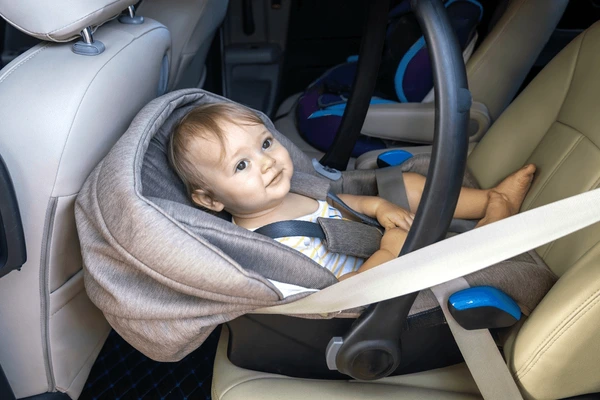
- Choose a car seat based on the child’s height, weight, and age.
- Follow manufacturer installation instructions carefully.
- Ensure harness straps fit securely.
- Check that the car seat has not expired.
- Replace car seats after serious crashes.
- Keep children in rear-facing seats for as long as recommended.
Read our article: Why Rear-Facing Car Seats Are Safer for Your Child
Parking Lot Safety

Parking lots may appear safe, but they are unpredictable environments where children can easily be injured.
- Always hold young children’s hands in parking areas.
- Watch carefully for reversing vehicles.
- Avoid distractions such as phones while walking.
- Teach children not to walk between parked cars.
- Encourage children to watch for backup lights and listen for moving vehicles.
Be sure to read: Child Safety in Parking Lots: Essential Safety Guide
11. Emergency Preparedness for Families
Preparing for emergencies is an important part of child safety. While parents hope they never face a serious situation, having a plan in place can help families respond quickly and calmly when unexpected events occur.
Create a Family Safety Plan
Every family should have a basic emergency plan that includes:
- Important emergency phone numbers.
- Contact information for family members and caregivers.
- A designated meeting location in case family members become separated.
- Medical information, including allergies and medications.
- An emergency kit with basic supplies such as water, food, flashlights, and first aid items.
Review your family safety plan regularly and make updates as children grow and circumstances change.
Important Skills for Parents
Parents and caregivers can improve their ability to respond during emergencies by learning basic first aid and CPR. These skills can be valuable in situations involving choking, falls, burns, allergic reactions, or other unexpected injuries.
It is also important to understand when an injury can be treated at home and when professional medical attention is needed. When in doubt, seeking advice from a healthcare professional is always the safest choice.
12. Online and Digital Safety for Children

Today, child safety extends beyond the physical world. As children spend more time using tablets, computers, gaming systems, and smartphones, parents must also teach safe online habits.
The internet provides valuable learning opportunities, but it also comes with risks such as inappropriate content, cyberbullying, scams, and privacy concerns.
Tips for Keeping Children Safe Online
- Set clear rules for internet and device use.
- Use privacy settings and parental controls when appropriate.
- Teach children never to share personal information online.
- Discuss the importance of strong passwords and online privacy.
- Encourage children to tell a trusted adult if they see something upsetting or uncomfortable.
- Monitor online activity while respecting age-appropriate independence.
Teaching children responsible digital habits early helps them become safer and more confident technology users.
Online safety is an ongoing conversation between parents and children. As technology continues to change, families can benefit from learning practical ways to protect their privacy, recognize online risks, and use the internet safely.
For more tips on protecting yourself and your family online, read: How to Stay Safe Online.
13. Safety Tips by Age Group
Child safety needs change as children grow. The risks a baby faces are very different from those faced by a teenager. Adjusting safety strategies based on age and development helps provide the right level of protection.
Babies

For infants, focus on creating a safe environment and preventing common household accidents.
- Practice safe sleep habits.
- Prevent choking hazards.
- Complete babyproofing throughout the home.
- Never leave babies unattended near water or unsafe surfaces.
- Use appropriate car seats and restraints.
Toddlers
Toddlers need close supervision as they become more mobile and independent.
- Maintain active supervision.
- Secure household hazards such as chemicals and medications.
- Teach simple safety rules.
- Use safety gates, locks, and barriers when needed.
- Teach children about traffic and outdoor safety.
School-Age Children

As children gain independence, safety education becomes increasingly important.
- Teach road and pedestrian safety.
- Encourage safe participation in sports and outdoor activities.
- Promote helmet use for bikes and scooters.
- Discuss online safety and responsible technology use.
- Teach children how to respond in emergencies.
Teens

Teenagers require guidance as they take on more responsibility and make more decisions independently.
- Discuss driving safety and responsible choices.
- Encourage safe online behavior and privacy awareness.
- Talk openly about personal safety and boundaries.
- Promote responsible decision-making.
- Encourage teens to ask for help when needed.
As teenagers gain more independence, learning safe driving habits becomes an important part of personal responsibility. Parents can help by discussing the importance of staying focused, avoiding distractions, following road rules, and making safe decisions every time they are behind the wheel.
Read our article: Essential New Driver Rules for Safe Driving
Final Thoughts: Building a Lifetime of Safe Habits
Child safety is an ongoing process that changes as children grow. The goal is not to eliminate every possible risk or prevent children from exploring the world around them. Instead, it is about creating awareness, providing guidance, and teaching children how to make safer choices.
Consistent supervision, education, and preparation can help prevent many common childhood injuries. Safety habits learned during childhood can continue throughout life, helping children become confident and responsible adults.
By following these child safety tips for parents, families can create safer environments where children can explore, learn, and grow with greater confidence and protection.