RFID Skimming: Can an RFID Shield Help Protect Your Cards?
8 min read
1480 words
As a computer technician, I spend a lot of time thinking about technology and security. Most people understand the importance of using strong passwords, keeping their computers updated and being careful about suspicious emails. However, protecting personal information doesn’t stop when we step away from our computers.
We use contactless payment cards almost every day. A quick tap at the checkout makes paying for groceries, gas or a coffee simple and convenient. The technology behind these transactions is impressive, but it also raises questions about how our financial information is protected.
One concern people ask about is RFID skimming, sometimes called digital pickpocketing. Could someone use a wireless scanner to steal information from a contactless card without you realizing it? And do products such as the THOR™ RFID Shield from Superior Titanium offer a useful extra layer of protection?
Let’s look at how the technology works, what the risks are and what you should know before buying an RFID-blocking product.
What Is RFID Technology?
Radio-frequency identification (RFID) uses radio waves to transfer information between a compatible reader and a tag or chip. It’s used in a variety of applications, including inventory tracking, identification systems and access-control cards.
Contactless payment cards use related radio-frequency technology, commonly based on near-field communication (NFC). When you tap a compatible card against a payment terminal, the two devices communicate over a very short distance to process the transaction.
The convenience is obvious. You don’t have to insert your card or enter a PIN for every small purchase, although some transactions require additional verification.
From a technology perspective, it’s a useful system. However, understanding how it works is important when evaluating claims about wireless theft and card protection.
RFID Skimming: How Does It Work?
RFID skimming refers to the unauthorized reading of information from an RFID-enabled card or device. The idea of someone secretly scanning a wallet can understandably make people uncomfortable.
However, there’s an important distinction between reading some information from a contactless card and being able to make fraudulent purchases with it.
Modern contactless payment systems use security measures that can include transaction-specific cryptographic data and other checks. A scanner reading a card does not automatically give someone everything needed to clone the card or complete a fraudulent transaction.
The information that can be read depends on the card, its technology and the reader being used. The risks associated with a building-access card, for example, may be different from those associated with a modern credit card.
That doesn’t mean payment-card fraud isn’t a concern. Criminals use several methods to obtain financial information, including phishing, compromised websites, data breaches and fraudulent payment terminals. Protecting your information requires understanding these different risks rather than assuming that every wireless transaction is vulnerable in the same way.
What Is the THOR™ RFID Shield?
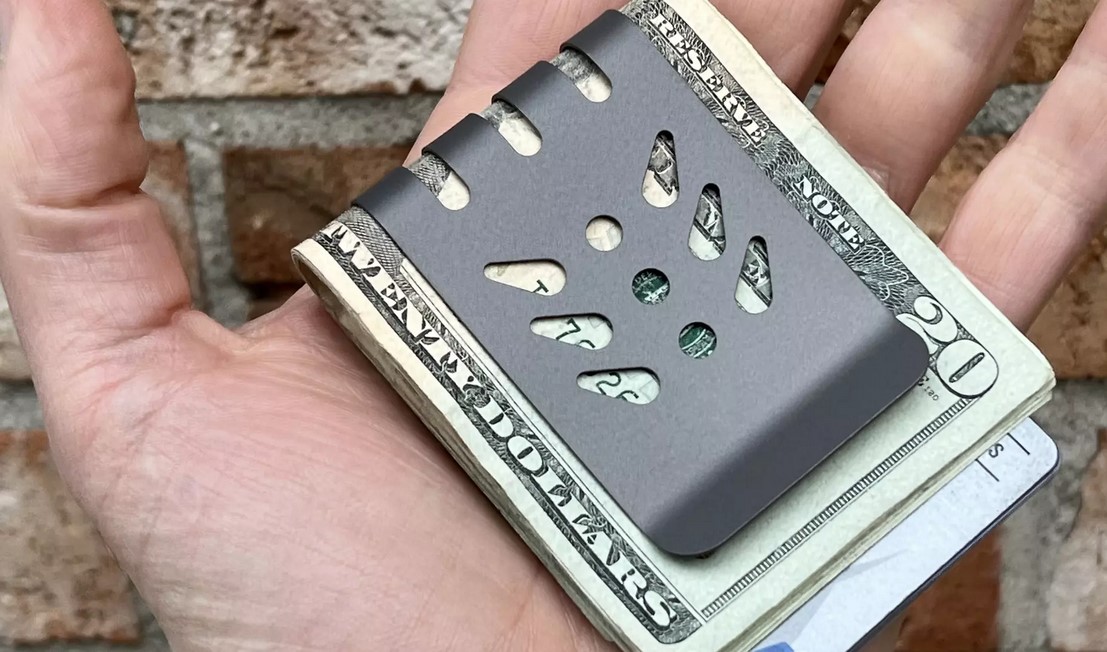
One product designed to provide an additional layer of protection is the THOR™ RFID Shield from Superior Titanium.
According to the product description, the shield is designed to block unwanted radio-frequency signals from reaching protected cards. Unlike replacing your entire wallet, a slim card-style shield is intended to fit inside an existing wallet or cardholder.
The product is described as being made from 99.9% pure copper and manufactured in the United States.
Copper is electrically conductive and can be used in shielding designs that reduce radio-frequency signals. This principle is related to what’s known as a Faraday shield or Faraday cage. However, the actual level of protection depends on the design, coverage, frequency and testing of the particular product.
I would want to see independent testing results before making a definite claim about how effectively any specific shield blocks signals in everyday use.
You can find more information about the product directly from Superior Titanium.
How Does an RFID-Blocking Shield Work?
RFID-blocking products are designed to interfere with radio-frequency communication between a card and an unauthorized reader.
Depending on the design, a shield may reflect, absorb or otherwise reduce the radio-frequency energy reaching the protected card. If the signal is sufficiently attenuated, a reader may be unable to communicate with the card while the shield is in place.
The important point is that performance varies between products. A material being conductive does not, by itself, prove that a finished wallet insert will provide complete protection.
If you’re considering the THOR™ RFID Shield, check the manufacturer’s current specifications, instructions and available test results. These details are more useful than relying on general statements that any RFID-blocking product is completely secure.
How to Use an RFID Shield in Your Wallet
The manufacturer’s instructions should always take priority, but card-style RFID shields are generally intended to be carried with the cards they are designed to protect.
Before using one, consider the following:
- Check the fit. Make sure the shield fits comfortably in your wallet or cardholder without bending your payment cards.
- Follow the placement instructions. The recommended arrangement depends on the product’s design and the number of cards being protected.
- Confirm the intended coverage. Don’t assume one shield will protect every card in a full wallet from every direction unless the manufacturer provides evidence supporting that claim.
- Test the setup. After installing the shield, check that your own contactless cards work as expected when you remove them from the protected arrangement and tap them at a legitimate payment terminal.
Some products recommend placing cards between two shields for broader coverage. Whether that arrangement is necessary for the THOR™ product should be confirmed using its current instructions.
Remember that an RFID shield can also prevent a legitimate reader from communicating with a protected card while the shield is in place. You may need to remove the card or reposition it to make a contactless payment.
What Else Can You Do to Protect Your Financial Information?
As a computer technician, I believe the best approach to security is to use several sensible precautions rather than relying on one product to solve every problem.
Here are a few steps that can help protect your financial information:
Monitor your bank and credit-card statements. Review transactions regularly and contact your financial institution promptly if you notice anything suspicious. Transaction alerts can help you spot unexpected activity.
Protect your accounts. Use strong, unique passwords and enable multifactor authentication wherever it is available. These measures help protect your online banking and other financial accounts.
Be careful with messages and links. Phishing emails and text messages can trick people into revealing login details or payment information. Don’t use links in unexpected messages to sign in to your bank; instead, open the official app or type the bank’s address yourself.
Keep your devices updated. Install operating-system and app updates to receive security fixes. A secure phone or computer is an important part of protecting your online accounts.
Report a lost card quickly. Contact your bank or card issuer if your card goes missing or you suspect unauthorized use. They can explain the appropriate steps, including locking or replacing the card.
Use contactless payments sensibly. Follow your bank’s guidance, keep your cards secure and report suspicious transactions. Modern payment systems have security protections, but no payment method eliminates every possible form of fraud.
An RFID-blocking shield may be an additional precaution for people who prefer to keep their cards shielded, but it shouldn’t replace these basic security practices.
Is the THOR™ RFID Shield Worth Considering?
Whether an RFID-blocking product is worthwhile depends on your concerns, the product’s demonstrated performance and its price.
The THOR™ RFID Shield offers a compact alternative to buying a completely new wallet. Its copper construction is intended to reduce unwanted radio-frequency communication, but I’d check the current product details and independent testing before relying on it as a security measure.
It’s also worth remembering that RFID shielding addresses a specific type of potential exposure. It won’t prevent phishing, protect a compromised online account or stop someone from using stolen card details obtained through a data breach.
As with any security product, understanding what it does—and what it doesn’t do—is essential before making a purchase.
You can visit superiortitanium.com to review the THOR™ RFID Shield and its current product information.
Final Thoughts
Technology makes everyday life more convenient, from tapping a payment card at the checkout to managing finances on a smartphone. But convenience should go hand in hand with an understanding of how our information is protected.
As a computer technician, my advice is to focus on practical security measures, stay informed about the products you use and be cautious of claims that promise complete protection from every threat.
An RFID-blocking shield may provide an additional layer of radio-frequency protection when properly designed and tested. Just remember that protecting your financial information involves much more than the contents of your wallet.
What do you think about RFID-blocking wallets and card shields? Have you used one, or do you prefer to rely on your bank’s security features? Share your thoughts in the comments.