
8 min read
1579 words
Vaping devices, commonly known as e-cigarettes, have significantly reshaped the landscape of nicotine consumption, emerging as a popular alternative to traditional smoking. These innovative devices operate by heating a specialized liquid, known as e-liquid, which typically contains nicotine, flavorings, and other chemicals, to produce an inhalable aerosol. For anyone considering or currently using these products, gaining a clear understanding of the diverse types of vaping devices available and their essential components is paramount. This guide aims to demystify the world of e-cigarettes, offering insights into their functionality, variety, and crucial considerations.
What are Vaping Devices and How Do They Work?
At its core, a vaping device is an electronic system designed to vaporize e-liquid. Unlike traditional cigarettes that burn tobacco, creating smoke, e-cigarettes heat a liquid to create a vapor. This process generally involves a battery to power a heating element (coil), which then turns the e-liquid into an aerosol that the user inhales. This fundamental mechanism underpins all types of vaping devices, though their form factors, power levels, and customization options vary widely.
Exploring the Different Types of Vaping Devices
The vaping market is incredibly diverse, offering a wide array of e-cigarette types, each designed with specific user experiences and preferences in mind. Understanding these categories can help you identify a device that aligns with your needs, whether you’re a beginner or an experienced user.
1. Cig-a-likes (First-Generation E-Cigarettes)
- Description: As the name suggests, “cig-a-likes” are designed to closely mimic the appearance, size, and even the feel of traditional tobacco cigarettes. They often feature an LED tip that lights up during inhalation.
- Target Audience: Ideal for new vapers looking for a discreet, familiar transition from smoking, or those who prefer a minimalistic experience.
- Functionality: These devices are typically low-powered and user-friendly. Many are disposable, while others feature replaceable pre-filled cartridges that snap onto a rechargeable battery.
- Pros: Highly portable, extremely simple to use, closely resembles traditional smoking.
- Cons: Limited vapor production, restricted battery life, fewer flavor options, higher long-term cost if using disposable cartridges.
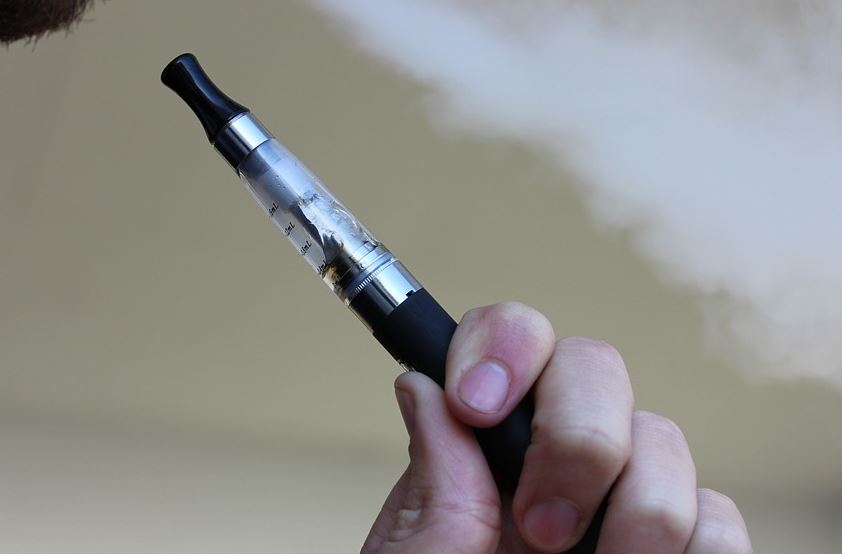
2. Vape Pens (Second-Generation E-Cigarettes)
- Description: Vape pens represent an evolution from cig-a-likes. They are larger, cylindrical devices that resemble a pen, hence the name. They marked a significant step forward in terms of performance and versatility.
- Target Audience: Suitable for vapers seeking more vapor production and a wider range of flavors than cig-a-likes, without the complexity of advanced devices.
- Functionality: Most vape pens feature a refillable tank, allowing users to choose their e-liquid. They typically have a single button for operation and offer a moderate balance of power and battery life.
- Pros: Better battery life and vapor production than cig-a-likes, refillable tanks offer more e-liquid choice and cost savings, relatively easy to use.
- Cons: Still limited in advanced features, not as compact as some newer devices.
3. Pod Systems (Third-Generation E-Cigarettes)
- Description: Pod systems are a more recent innovation, known for their compact size, sleek design, and user-friendly nature. They utilize “pods” – small, often disposable or refillable cartridges – that contain the e-liquid and coil.
- Target Audience: Excellent for beginners due to their simplicity, and popular among experienced vapers for their portability and discreetness. Many use nicotine salt e-liquids, offering a smoother, higher-nicotine hit.
- Functionality: Pods easily click or snap into the main battery unit. Some are draw-activated (no buttons), while others have a single fire button. They are often smaller and more discreet than vape pens.
- Pros: Ultra-portable, very easy to use and maintain, often optimized for nicotine salts for a satisfying experience, discreet vapor production.
- Cons: Smaller battery capacity, less customization than advanced devices, typically lower vapor production compared to mods.
4. Box Mods (Advanced Personal Vaporizers – APVs)
- Description: Box mods are the largest and most powerful category of vaping devices, characterized by their box-shaped design. They offer the most advanced features, customization options, and significant vapor production.
- Target Audience: Best suited for experienced vapers who prioritize performance, cloud production, and fine-tuning their vaping experience. Not recommended for beginners due to complexity.
- Functionality: These devices typically feature high-capacity, often external, batteries and sophisticated chipsets. Users can adjust wattage, temperature, and other settings to precisely control their vape. They usually pair with larger, advanced tanks (sub-ohm tanks or rebuildable atomizers).
- Pros: Unrivaled power and vapor production, extensive customization options (wattage, temperature control), excellent battery life, compatibility with a wide range of atomizers.
- Cons: Larger and heavier, more complex to operate and maintain, higher initial cost, requires more technical knowledge.
Key Components of a Vaping Device
While the exterior design and features vary, most vaping devices share a common set of fundamental components that work in unison to create vapor. Understanding these parts is crucial for proper usage and maintenance.
- Battery: This is the power source of the device. It supplies the electrical energy needed to heat the e-liquid. Battery capacity (measured in mAh) determines how long the device can operate between charges. Smaller devices like cig-a-likes have integrated, lower-capacity batteries, while box mods often use powerful, replaceable external batteries for extended use.
- Tank / Cartridge / Pod: This component is the reservoir that holds the e-liquid.
- Cartridges are typically smaller, often pre-filled, and used in cig-a-likes.
- Pods are self-contained units used in pod systems, which can be pre-filled or refillable.
- Tanks are larger, usually refillable, and found on vape pens and box mods. They often feature an adjustable airflow system.
- Atomizer / Coil: This is the heart of the vaping device – the heating element. The coil, usually made of resistance wire (like Kanthal, stainless steel, or nickel), is wrapped around a wicking material (typically cotton). When power from the battery is applied, the coil heats up, vaporizing the e-liquid absorbed by the wick. Coils have a lifespan and need to be replaced periodically (typically every 1-2 weeks, depending on usage and e-liquid type) as they wear out, affecting flavor and vapor production.
- E-liquid (Vape Juice): This is the liquid that is vaporized. E-liquids consist of a few primary ingredients:
- Propylene Glycol (PG): Carries flavor and contributes to throat hit.
- Vegetable Glycerin (VG): Produces dense vapor clouds.
- Flavorings: Food-grade additives that create a vast array of tastes (fruit, dessert, tobacco, menthol, etc.).
- Nicotine: An optional, but common, ingredient. It can range from 0mg (nicotine-free) to high concentrations, often in freebase or nicotine salt forms. Nicotine is highly addictive.
- Other Chemicals: Some e-liquids may contain other chemicals, and the quality and safety of these ingredients can vary significantly between brands.
Important Considerations Before Vaping
While vaping devices are often marketed as a potentially less harmful alternative to traditional cigarettes for adult smokers, it is crucial to approach them with a full understanding of the associated risks. Vaping is not harmless, and it is certainly not recommended for non-smokers, pregnant individuals, or youth.
As the American Lung Association states, “Vaping exposes users to fewer toxic chemicals than traditional cigarettes, but it’s still not harmless.” This statement underscores the importance of informed decision-making.
Here are key considerations:
- Nicotine Addiction: Most e-liquids contain nicotine, which is a highly addictive chemical. Nicotine addiction can lead to withdrawal symptoms and make it difficult to stop using vaping devices. It also poses risks to adolescent brain development and pregnant individuals.
- Health Risks: The long-term health effects of vaping are still being studied. While some studies suggest fewer harmful chemicals compared to smoke, concerns remain about the inhalation of fine particulate matter, heavy metals, and various flavorings (some of which are safe for consumption but not necessarily for inhalation).
- “Popcorn Lung” and Other Concerns: Chemicals like diacetyl, once commonly used in some e-liquids for buttery flavors, have been linked to bronchiolitis obliterans, a severe lung disease (though regulations have reduced its presence). Other studies are exploring the impact of vaping on cardiovascular health and respiratory function.
- Youth Vaping Epidemic: The widespread appeal of flavored e-liquids and sleek device designs has led to a significant increase in vaping among youth, who may not fully understand the addictive nature of nicotine or the potential health consequences. Vaping devices are strictly for adults.
- Product Safety and Regulation: The quality and safety of vaping products and e-liquids can vary. It is essential to purchase devices and e-liquids from reputable manufacturers and retailers who adhere to safety standards and regulations. Unregulated or illicit products can pose significant health risks.
- Not a Proven Smoking Cessation Aid: While many smokers use vaping to help them quit traditional cigarettes, the scientific community is still debating its efficacy as a long-term smoking cessation tool. If you’re looking to quit smoking, consult with a healthcare professional about FDA-approved methods.
Conclusion: Making Informed Choices About Vaping
Vaping devices represent a diverse and evolving category of products, each with distinct features, functionalities, and intended uses. From the simplicity of cig-a-likes to the advanced customization of box mods, there’s a device for nearly every preference. However, beyond understanding the technical aspects and types of a “vape device,” it is absolutely critical to grasp the potential health implications.
For adult smokers considering a transition, or existing vapers, making informed decisions about using these products involves comprehensive research into the potential risks, responsible usage, and adherence to age restrictions. Vaping is a complex topic with ongoing research, and prioritizing your health and well-being should always be the guiding principle.
Disclaimer: This content is for informational purposes only and does not constitute medical advice. Vaping devices are intended for adult smokers. If you are a non-smoker, pregnant, or have underlying health conditions, vaping is not recommended. If you are trying to quit smoking, please consult with a healthcare professional to discuss proven cessation methods.
 Valerie Cox