
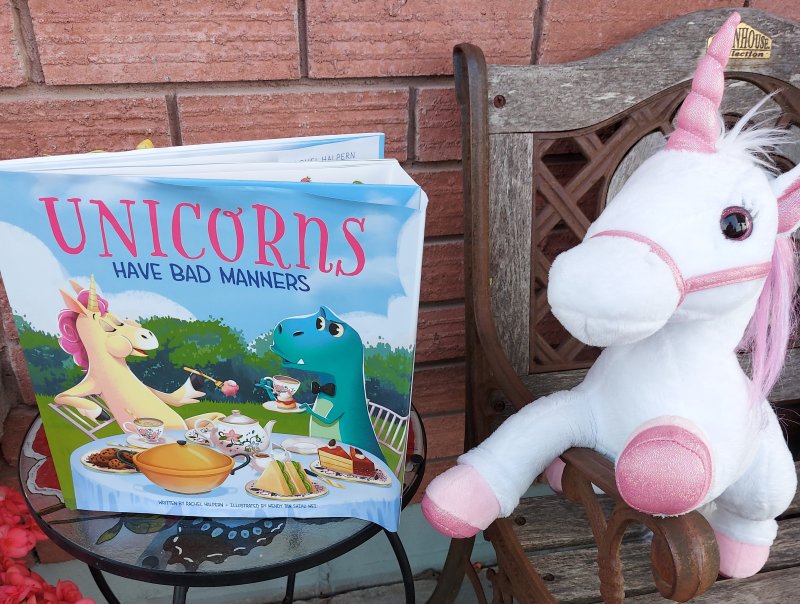
Unicorns Have Bad Manners: A Charming Tale
6 min read
1055 words
When you imagine a unicorn, what comes to mind? Probably grace, elegance, and perhaps perfectly dainty manners. But what if we told you that appearances can be delightfully deceiving? In Rachel Halpern’s enchanting picture book, Unicorns Have Bad Manners, illustrated by Wendy Tan Shiau Wei, young readers (and their grown-ups!) are in for a hilarious and heartwarming surprise that challenges our preconceived notions of proper behavior.
This wonderfully amusing children’s book delves into a universal theme: the fascinating, sometimes bewildering, world of manners and customs. It’s a beautifully crafted story that offers much more than just a giggle; it’s a brilliant starting point for discussions on diversity, acceptance, and understanding that what’s “polite” in one culture might be perfectly “normal” – or even preferred – in another.
A Hilariously Horrifying Tea Party: Nigel Meets Periwinkle
The story introduces us to Nigel the dinosaur, who has invited Unicorn Periwinkle for afternoon tea. Nigel, like many of us, has very clear ideas about how one should behave at the table. He anticipates a refined, delicate tea party, befitting a creature as magical as a unicorn.
However, from the moment Periwinkle arrives, Nigel’s expectations are turned on their head. Our charming unicorn guest quickly demonstrates what Nigel perceives as a series of social faux pas. Imagine dining with someone who shines their horn with the napkin, or worse yet, directly dunks a cookie into the teapot! Poor Nigel is aghast. His silent disappointment soon turns into voiced concern as he attempts to gently correct Periwinkle’s “bad manners.”
This initial clash is where the true magic of the story begins. It’s a relatable scenario for any child who has encountered someone doing something differently than they’re used to, and it sets the stage for a powerful lesson in empathy and cultural understanding.
Beyond the Napkin: Understanding Unicorn Culture
What makes Unicorns Have Bad Manners truly special is Periwinkle’s insightful response to Nigel’s concerns. Far from being intentionally rude, Periwinkle is quick to explain her actions. She reveals that what Nigel believes to be impolite is, in fact, perfectly acceptable – even polite – within unicorn culture.
For instance, Periwinkle shares that she learned from her great-grandmother that it is entirely proper to eat dessert first. And as for dunking cookies directly into the teapot or spearing them with forks? In unicorn etiquette, these are not just acceptable but perhaps even expected!
This delightful revelation is the heart of the book. It beautifully illustrates that manners are not universal, hard-and-fast rules, but rather a set of customs learned from our families and communities. Periwinkle’s explanations highlight the importance of asking questions and seeking understanding before making judgments. Both Nigel and Periwinkle learn to accept each other’s differences, realizing that their varied approaches don’t make one “right” and the other “wrong.”
Why Manners Aren’t Always “Right” or “Wrong”
The concept explored in Unicorns Have Bad Manners resonates deeply with real-world experiences. When we gather around a table to eat, our table manners often differ depending on where in the world we live, our family traditions, or even just personal preferences.
Consider these examples:
- In some cultures, slurping noodles loudly is a sign of enjoyment and appreciation for the chef. In others, it’s considered impolite.
- Eating with your hands is common and perfectly acceptable in many parts of the world, while in other places, utensils are strictly preferred.
- Whether it’s polite to finish everything on your plate, or to leave a little bit to show you’re full, varies significantly.
- Even the order of courses, like Periwinkle’s dessert-first approach, can differ.
Unicorns Have Bad Manners provides a gentle, humorous entry point for children to grasp this complex idea. It encourages them to think beyond their own experiences and consider how others might view the world, fostering a valuable sense of cultural awareness and respect.
Sparking Important Conversations with Your Kids
This book is a fantastic conversation starter for parents, educators, and librarians. After reading about Nigel and Periwinkle, you can open a discussion with your children about:
- Diverse Customs: How are our family’s table manners similar to or different from what Periwinkle does? How might people from different countries or cultures eat?
- Empathy and Understanding: What if someone visits our home and does something differently? How can we be welcoming and understanding, rather than judgmental?
- Challenging Assumptions: Just because something is unfamiliar, does it mean it’s “bad?”
- Respecting Differences: How can we show respect for the different ways people do things, whether it’s at the dinner table or in other aspects of life?
The book makes these potentially serious topics accessible and fun, transforming them into an engaging dialogue rather than a lecture. My own daughter enjoyed the book immensely, finding the “bad manners” hilarious, and the underlying message resonated deeply with her. It was an absolute joy to read together!
The Magic Behind the Pages: Storytelling and Illustrations
Rachel Halpern’s writing is truly a standout. The narrative is well-written, amusing, and flows beautifully, making it perfect for a read-aloud session. Her ability to infuse humor into an important lesson is commendable, ensuring that the message is received with smiles and understanding, not solemnity.
Complementing Halpern’s delightful prose are the captivating and expressive illustrations by Wendy Tan Shiau Wei. The visuals are beautifully rendered, capturing the personalities of Nigel and Periwinkle with charm and wit. The vibrant colors and engaging character designs draw children into the story and help convey the humor and emotional nuances of the tea party. The illustrations truly enhance the storytelling, making the book a visually appealing and immersive experience.
A Must-Have for Your Child’s Library (and Summer Reading List)!
If you are looking for a book to add to your child’s summer reading list, or simply searching for a story that combines entertainment with genuine educational value, then I wholeheartedly recommend Unicorns Have Bad Manners by Rachel Halpern and Wendy Tan Shiau Wei. It’s a book that children will want to revisit for its humor, and parents will appreciate for its thoughtful message about diversity and acceptance.
Published by Sunbird Books, this enchanting tale is more than just a story about a dinosaur and a unicorn; it’s a gentle reminder that understanding and kindness are the most important manners of all.
For further information, visit www.sunbirdkidsbooks.com.



This looks like the perfect book for my daughter who loves unicorns.