
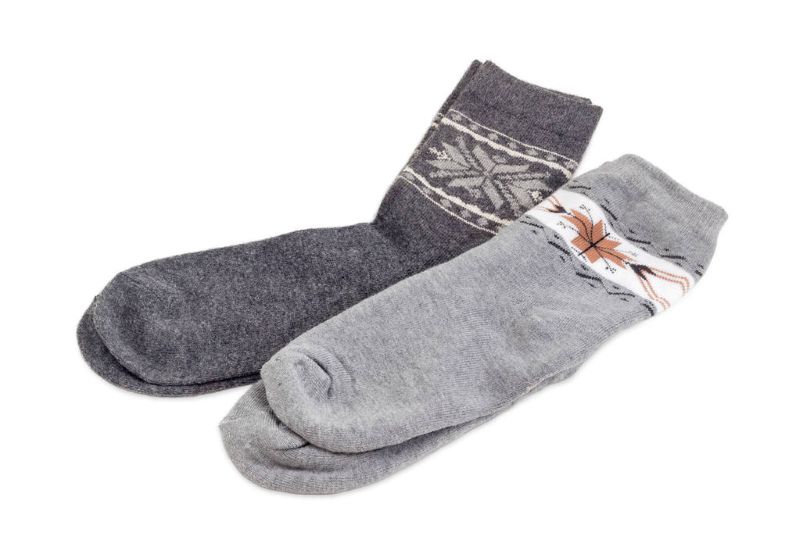
Best Socks for Homeless People: Choosing Warm Winter Socks
7 min read
1269 words
When temperatures drop across Canada, a warm pair of socks can be a thoughtful and practical donation for someone experiencing homelessness. Cold weather, damp footwear and spending long periods outdoors can make keeping feet warm and comfortable difficult. While socks may seem like a small item, having clean, dry pairs available can make everyday life a little more comfortable.
If you are wondering about the best socks for homeless people, there is no single answer for everyone. The right choice depends on the weather, footwear, fit, access to laundry facilities and the preferences of the person receiving them.
Thermal socks, wool blends and durable everyday socks can all be useful options. Before purchasing a large quantity, it is worth asking a local shelter or outreach organization what its clients need most.
Why Warm Socks Matter in Winter
People experiencing homelessness may spend considerable time walking, waiting outdoors or travelling between services. In cold weather, keeping feet warm and dry can be challenging, especially when someone has limited opportunities to change socks or dry wet footwear.
Cold and damp conditions can contribute to discomfort, skin irritation and cold related foot problems. Prolonged exposure to wet conditions can also increase the risk of trench foot, a condition that develops when feet remain cold and damp for extended periods.
A fresh pair of socks is not a substitute for appropriate footwear, shelter or medical care. However, socks can be a useful part of a broader effort to support warmth, comfort and foot care during the winter months.
What Are the Best Socks to Donate?
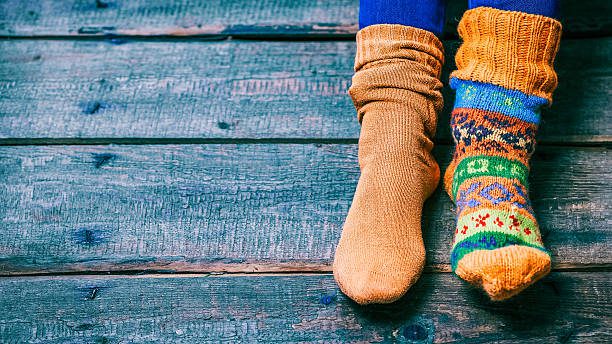
When choosing socks for someone experiencing homelessness, consider warmth, comfort, fit and durability rather than focusing only on thickness or price.
1. Thermal Socks for Cold Weather
Thermal socks are designed to help retain warmth, making them worth considering for winter donations. Some have a thick, soft interior, while others provide insulation in a thinner profile that fits more easily inside everyday shoes.
Heat Holders is one brand known for its thermal socks. The company offers different thicknesses, including its thicker Original styles and lighter options. The thicker versions may suit roomy winter boots, while lighter styles may be more practical for shoes with less space.
However, a very thick sock is not automatically the best choice. If it makes footwear too tight, it can cause discomfort and may not be suitable for the recipient. Consider the types of shoes or boots people will be wearing when selecting socks.
2. Wool and Wool Blend Socks
Wool and wool blend socks are another option for cold weather. Wool can help regulate temperature and retain some insulating ability when damp. Merino wool is often chosen for its softness, although wool products can cost more than some synthetic alternatives.
Wool blends vary considerably, so check the label for the fibre content and care instructions. For donation programs purchasing many pairs, the cost, availability and durability of the socks may also influence the decision.
3. Durable Everyday Socks
Not every donation needs to be a heavy winter sock. Comfortable everyday socks can be useful throughout the year, including when temperatures are milder or recipients need socks that fit inside regular footwear.
Look for a comfortable fit, reinforced heels and toes where available, and fabric that can withstand regular washing. Depending on local needs, crew length socks may be a versatile choice because they work with many types of footwear.
Are Heat Holders a Good Choice for Donations?
Heat Holders are worth considering if you are looking for warm thermal socks. Their range includes different thicknesses, so you can choose a style based on the intended use and available footwear.
The thicker Original socks are designed for substantial warmth, but their bulk may make them unsuitable for tighter shoes. Lighter versions offer an alternative for people who need a slimmer fit.
As with any brand, Heat Holders will not be the ideal choice for every person. Price, sizing, personal comfort and the fit of the recipient’s footwear all matter. It is also important to remember that warmth alone does not guarantee that a sock will manage moisture well or withstand extended wear.
If you are considering Heat Holders for a community donation, compare the available styles and ask the organization receiving the socks whether thick thermal socks would be useful. A different type of sock may better meet its current needs.
What to Look for When Buying Socks for Donation
Before filling a donation bag, keep a few practical considerations in mind.
Comfortable sizing: Choose socks in a range of sizes when possible. Socks that are too small may feel restrictive, while oversized socks can bunch up inside footwear.
Appropriate thickness: Thick socks can provide extra insulation, but they need to fit comfortably inside the recipient’s shoes or boots.
Durable construction: Reinforced heels and toes may be useful for socks that will be worn frequently. Check product details rather than assuming every thermal sock is equally durable.
Easy care: Machine washable socks can be convenient, particularly for people who have access to laundry facilities. Follow the care instructions for the specific product.
Moisture management: Feet can become damp through sweat, rain or snow. Consider the fibre blend and intended use, and remember that changing into dry socks is important when footwear becomes wet.
Affordability: A donation budget can go further when you compare multipacks, seasonal sales and the prices of different brands. Ask the receiving organization whether it prefers particular types of socks before making a bulk purchase.
Should You Donate New or Used Socks?
If you are donating directly to a shelter or outreach program, check its donation policy first. Many organizations prefer new, unworn socks for hygiene reasons. Others may have specific packaging or sorting requirements.
When buying new socks, leave them in their original packaging when practical, or keep pairs clean and together. If you are organizing a sock drive, clearly explain the types and sizes requested so donations are useful to the people receiving them.
You can also ask whether the organization needs other winter essentials, such as gloves, hats, hand warmers or weather appropriate footwear. Needs vary from one community to another and can change throughout the season.
How to Make Your Sock Donation More Helpful
A good starting point is to contact a local shelter, drop in centre or community outreach organization. Ask which sock sizes, materials and thicknesses are most needed. This simple step can help you avoid purchasing items that are difficult for the organization to distribute.
If you are organizing a workplace, school or community sock drive, share the requested sizes and product types with participants. Consider collecting a variety of options rather than assuming that everyone needs the thickest thermal socks available.
For people who want to support a local organization but cannot purchase many pairs themselves, even a small donation can contribute to a larger community effort.
Final Thoughts: Choosing the Best Socks for People Experiencing Homelessness
The best socks for people experiencing homelessness are those that meet their practical needs. Warm thermal socks, wool blends and durable everyday styles can all have a place in a winter donation program.
Heat Holders may be an option for people who need extra warmth and have footwear that accommodates the thicker styles. Lighter thermal socks or other comfortable, durable options may be more suitable in different circumstances.
Rather than assuming one brand or material is best for everyone, ask local shelters and outreach workers what they need. Choosing socks that are comfortable, appropriately sized and suitable for the weather is a thoughtful way to help people in your community stay more comfortable through Canada’s colder months.




Put me down for all kinds!! Last winter i was 80 lbs this year I’m 103… I’m cold all the freaking time.. I have discovered though if I keep my feet warm I stay warm! .. I’m 47… still learning new things about myself <3
I had no idea these socks existed. I would love these for my boys. I really want the thermal tights for myself.
These are awesome to keep the kids feet warm, I think my hubby needs a pair he is always complaining his feet are cold!!
I was at Mark’s and saw these and was giving hubby hints.
Hopefully he caught on.