
Blue Orange Games: Must have Children Board Games
5 min read
975 words
You know the feeling: you’ve just cleared the kitchen table, the kids are buzzing with energy, and the only thing standing between a perfect family night and a frantic scramble for the remote is the right board game. As a self‑proclaimed board‑game junkie who also has a soft spot for anything that makes a toddler’s eyes light up, I’m constantly hunting for titles that are quick to set up, easy to teach, and genuinely fun.
Enter Blue Orange Games—the quiet champion of kid‑friendly design that never sacrifices depth. Their shelves are stocked with colorful, sturdy pieces that beg to be handled, and rules that can be explained in the time it takes to pour a glass of lemonade. If you’re ready to upgrade your rainy‑afternoon lineup (or just give your weekly game night a fresh spark), keep reading. You’re about to discover why these games feel like they were made for your family.
Why Blue Orange Stands Out
| What Matters | Blue Orange’s Promise | Why It Works |
|---|---|---|
| Simplicity is Key | Most games have 10–15 minutes of teach‑time, with rules written in clear, picture‑rich language. | Kids (and adults who “forgot how to play”) can dive right in without a frantic rule‑book battle. |
| Quality Components | Wooden tokens, thick‑card stock, laminated boards, and a palette that would make a designer swoon. | The pieces survive the inevitable spills, and they look so good on the table you’ll want to frame them. |
| Brain‑Boosting Fun | Simple mechanics that hide layers of strategy: pattern recognition, spatial thinking, resource management. | Players feel rewarded for clever moves, not just lucky dice rolls, turning a “just‑for‑fun” game into a subtle mental workout. |
In short: Blue Orange gives you the best of both worlds—instant accessibility and lasting replay value.
My Top Recommendations (Sorted by Age‑Group)
1. Little Explorers (Ages 4+)
Pengaloo
Imagine a penguin‑themed memory match where a tiny die decides who gets to peek under the eggs. Kids roll, lift, and shout “Peng!” as they hunt for the hidden bird. It’s adorable, it’s tactile, and it sneaks in color‑matching and short‑term memory practice without feeling like a lesson.
Why I love it: The wooden eggs are chunky enough for little hands, the artwork is bright enough to hold attention, and a single round wraps up in under five minutes—perfect for nap‑time warm‑ups.
2. Family‑Friendly Hits (Ages 6+)
Kingdomino
Think “dominoes meet kingdom building.” Players draft tiles, match terrain, and score points for creating contiguous landscapes. The rules are a single page; a game runs 15‑20 minutes. Yet the tug‑of‑war over the best plots keeps adults and kids glued to the board.
Pro tip: Let the youngest player start the first turn. The extra “first‑move” boost balances the playing field and teaches the value of a good opening move.
Photosynthesis
Take a stroll through a sun‑drenched forest where you literally grow trees on a three‑dimensional board. Sunlight slides around the board each round, and only trees in the light can collect points. The gorgeous, translucent board makes the whole experience feel like a living ecosystem.
Why it’s a family win: The concept of “shade” is intuitive for kids, while the strategic layering of trees gives adults plenty to chew on. Plus, the visual payoff of a blossoming forest is worth the extra setup time.
Spot It! — Classic
A rapid‑fire visual‑matching game that works anywhere—from a kitchen counter to a car backseat. It’s a perfect warm‑up before a longer session, and the quick reflexes it demands are a brilliant way to get the energy flowing.
3. Stepping Up (Ages 10+)
Cacao (by Blue Orange’s sister imprint, Blue Orange)
A beautifully illustrated worker‑placement game where you manage a chocolate empire. Simple iconography hides a deep economic engine—ideal for tweens who want a taste of “real” strategy without drowning in rules.
Bärenpark (Bear Park)
Build a wildlife sanctuary by laying tiles and positioning animal tokens. The puzzle‑like layout challenges spatial reasoning, while the cute bear pieces keep the mood light.
Beyond the Basics: What These Games Really Do
- Memory & Pattern Recognition – Pengaloo and Spot It! turn visual recall into a game of giggles.
- Strategic Planning – Kingdomino and Photosynthesis teach kids to think several moves ahead without the pressure of “win‑or‑lose” stakes.
- Cooperation & Social Skills – Many Blue Orange titles rely on turn‑taking and polite negotiation, reinforcing good tabletop etiquette.
- Fine Motor Development – The wooden pieces, sturdy cards, and tactile dice give young hands a satisfying workout.
By swapping out a screen for a colorful board, you’re handing your family a toolbox of soft‑skill practice disguised as pure fun.
Get Ready to Play!
- Clear the Table – A clean surface makes the bright components pop and reduces the chance of an accidental “piece‑swap” mid‑game.
- Pick a Game for the Moment – Rainy day? Pull out Photosynthesis for a cozy, immersive session. Quick snack break? Pengaloo or Spot It! will keep the momentum going.
- Explain in One Sentence – “You roll, you flip an egg, you find the penguin—whoever gets three wins.” Kids love the “single‑line” rule format.
- Play, Laugh, Reset – The best part of Blue Orange games is that after a handful of rounds, the board is ready for another round—no lengthy teardown required.
So gather the cardboard chairs, set out the wooden tokens, and let the colors of the board ignite conversation. Whether you’re a veteran gamer looking for a breezy side‑venture or a parent hunting a “no‑rules‑explained‑twice” solution, Blue Orange Games will deliver a night (or afternoon) that feels both effortless and unforgettable.
Play on, explore, and watch those smiles grow—one beautifully designed piece at a time.





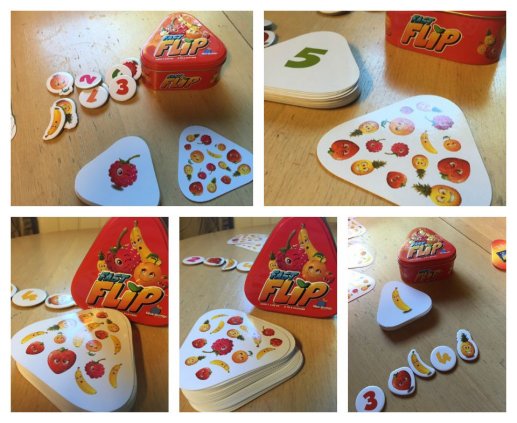
Fast flip sounds fun!
I think it’s so good for kids to put down their cell phones and video games to play games where they interact with others
My favourite thing to do when the grandkids come over, play board games