Sudocrem for Diaper Rash: How to Use It and Prevent Irritation
6 min read
1197 words
As a parent, seeing a red, irritated patch on your baby’s delicate skin can be upsetting. Diaper rash is common during infancy, and finding a product that helps protect irritated skin can make diaper changes a little easier.
One product I have trusted over the years is Sudocrem. I have used it for diaper rash and have also used Sudocrem for my own rashes. It has become one of those products I like to keep on hand because of its thick, protective texture and versatility.
If you are wondering whether Sudocrem can help with diaper rash, here’s what I have learned about using it and caring for a baby’s sensitive skin.
What Is Sudocrem?
Sudocrem is a topical cream that has been used for generations for a variety of skin concerns. It is particularly well known for its use as a protective cream for diaper rash.
One of the ingredients in Sudocrem is zinc oxide, which helps form a protective barrier on the skin. This barrier can help reduce contact between irritated skin and moisture.
The cream has a distinctive thick texture, which is one of the things I personally like about it. A small amount can spread over the affected area and leave a protective layer behind.
As formulations and product directions can change, always check the current packaging for the most up-to-date ingredient information and instructions.
Why Use Sudocrem for Diaper Rash?
Diaper rash can develop when a baby’s skin is exposed to moisture, urine, stool, friction, or other irritants for extended periods.
A barrier cream can help protect the skin from some of these irritants. Sudocrem’s zinc oxide helps create that protective layer, making it a product many parents consider when dealing with diaper-area irritation.
However, no diaper rash cream is guaranteed to work for every baby. Babies have different skin sensitivities, and a product that works wonderfully for one child may not suit another.
How to Apply Sudocrem for Diaper Rash
Using Sudocrem is relatively simple, but gentle care is important when your baby’s skin is already irritated.
1. Gently Clean the Area
Start by gently cleaning the diaper area with lukewarm water and a soft cloth or suitable baby wipes.
Avoid scrubbing the irritated skin. Rubbing can make redness and discomfort worse.
2. Dry the Skin
Pat the area gently with a clean, soft towel or allow the skin to air-dry for a short time.
Keeping the diaper area as dry as possible can help reduce irritation.
3. Apply a Small Amount
With clean hands, apply a thin layer of Sudocrem to the affected area, following the directions on the current product packaging.
You do not need to cover the skin with an excessively thick layer. The goal is to create a protective coating over the irritated area.
4. Reapply as Directed
Continue using the product according to the manufacturer’s directions. Frequent diaper changes are also important because leaving wet or soiled diapers against irritated skin can prolong discomfort.
If your baby’s skin becomes more irritated after applying Sudocrem, stop using it and seek professional advice if the irritation does not settle.
My Experience With Sudocrem
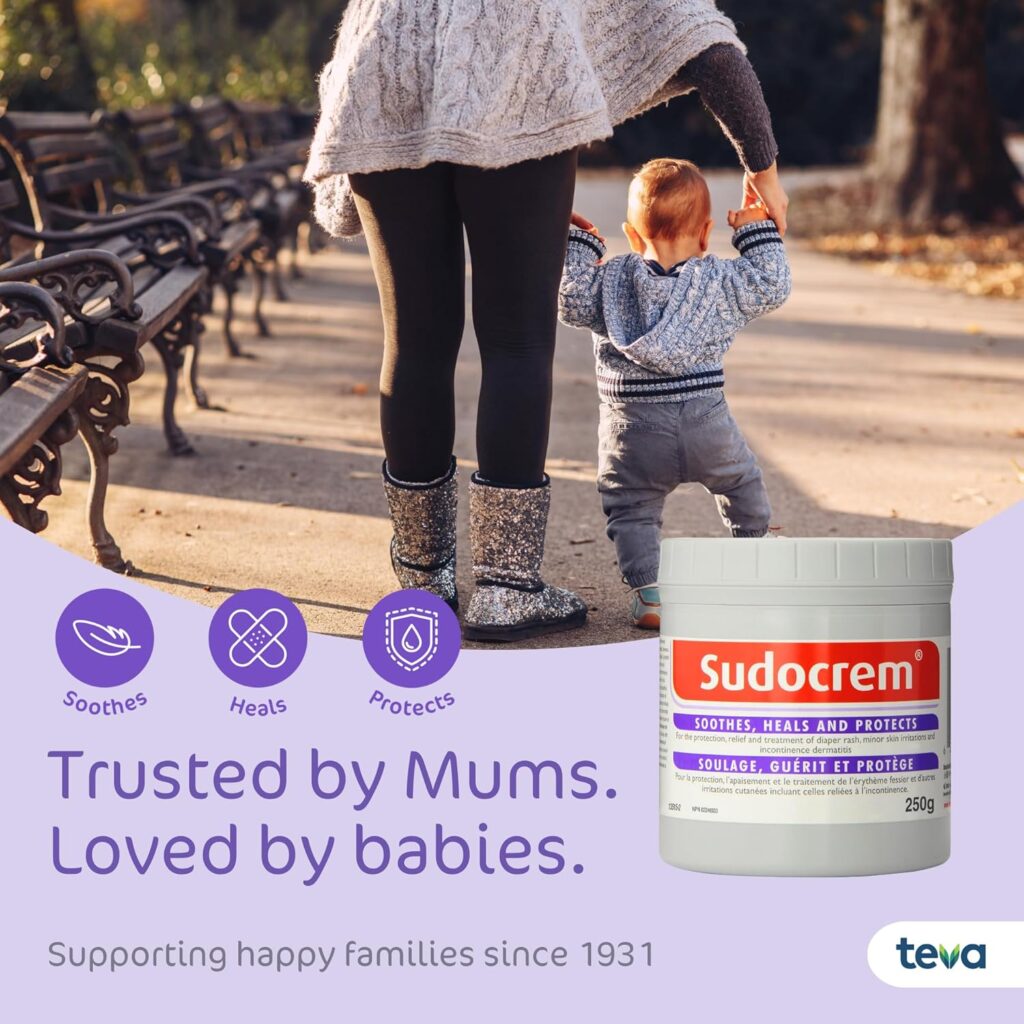
Sudocrem is one of those products I have used for years. I have reached for it when dealing with my own rashes, and I appreciate having a familiar product available when minor skin irritation occurs.
What I like most is its thick consistency and protective feel. It is very different from a lightweight lotion, and that is part of what makes it useful as a barrier cream.
My experience with a product, however, is just that—my experience. Everyone’s skin is different, and what works for me or my children may not necessarily work for someone else.
That is particularly important when caring for a baby with sensitive skin. I always recommend paying attention to how your baby’s skin responds rather than assuming a particular product will work simply because it worked for another child.
How to Help Prevent Diaper Rash
While a barrier cream can be helpful, preventing excessive moisture and irritation is an important part of diaper-area care.
Change Diapers Frequently
Try not to leave your baby in a wet or soiled diaper for longer than necessary. Prompt diaper changes can reduce the amount of time delicate skin is exposed to moisture and irritants.
Clean Gently
You do not need to scrub your baby’s skin to get it clean. Gentle cleansing is usually preferable, particularly when the skin is already irritated.
Choose wipes and cleansing products that are appropriate for your baby’s skin, and consider fragrance-free options if your baby is sensitive to scented products.
Allow Some Diaper-Free Time
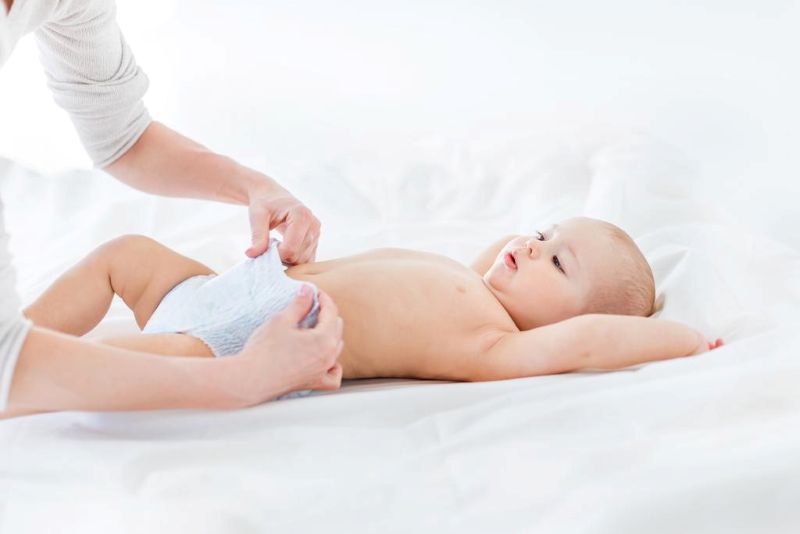
When practical, allowing your baby’s bottom to spend a little time without a diaper can help keep the area dry.
Place your baby on a clean, waterproof surface or towel and allow some diaper-free time during the day.
Consider a Protective Barrier
A suitable barrier cream can help reduce direct contact between the skin and moisture. If your baby frequently develops diaper rash, talk with your healthcare professional or pharmacist about products that may be appropriate.
What If the Diaper Rash Doesn’t Improve?
Not every rash is a simple case of diaper irritation. A rash that persists or becomes worse may have another cause, including a yeast infection, bacterial infection, allergic reaction, or another skin condition.
Contact your baby’s healthcare professional if the rash:
- Does not improve after a few days of appropriate care
- Gets significantly worse
- Becomes very painful
- Develops blisters, sores, or bleeding
- Spreads beyond the diaper area
- Is accompanied by a fever or your baby appears unwell
Your healthcare professional can help determine what is causing the rash and whether a different treatment is needed.
Sudocrem and Sensitive Skin
Having a baby with sensitive skin can make choosing skincare products more complicated. It is tempting to try one product after another, especially when a rash is uncomfortable and you want to help your baby quickly.
My own experience has taught me to pay attention to ingredients and to introduce new products carefully. If your baby has particularly sensitive skin or has reacted to skincare products in the past, consider discussing suitable products with your healthcare professional or pharmacist.
You can also read my guide on how to choose a diaper rash cream for sensitive skin, where I discuss what to look for when comparing diaper rash products.
Final Thoughts
Sudocrem has remained a favourite in my household because I have personally found it useful for minor skin irritation, including my own rashes. It is also a product many parents consider for diaper-area care because of its protective barrier.
That said, there is no single diaper rash cream that is perfect for every baby. The best approach is to combine gentle cleaning, frequent diaper changes, appropriate barrier protection, and careful attention to how your baby’s skin responds.
If a rash persists, worsens, or looks unusual, don’t keep trying different creams without finding out what is causing it. Your baby’s healthcare professional can help determine the appropriate treatment.
This article is based in part on my personal experience with Sudocrem. Product formulations, directions, and availability can change, so always check the current packaging and manufacturer’s information before use.