New Parent Anxiety: Stay Calm During Baby’s First Year
6 min read
1049 words
The first year of being a parent is full of joy, but boy oh boy, can it also be anxiety-inducing, especially for first-time parents. This isn’t just about doing something for the first time, which can be inherently anxiety-inducing, but doing something for the first time that directly impacts your new little bundle of joy. So the stakes are high, and so it should come as no surprise that most new parents experience anxiety at some point or another. While it’s unlikely that you’ll eliminate parent anxiety completely, taking a proactive approach can help to keep things under control. In this post, we’ll outline some handy tips, which touch on education and building a community, that can help you to navigate your baby’s first year as calmly as possible.
Understand the Milestones

The reason why parents find things easier the second time around is that, at that stage, they’ve been there, done that. Many first-time parents feel anxious purely because they’re unsure of what’s normal, whether they’re doing things correctly, and whether their baby is progressing. While there’s no hard and fast timeframe for when your baby will hit milestones such as rolling over, sitting unassisted, or uttering their first words, knowing the ballpark timeframes can give you a good sense of what you need to be alert to and allow you to take action if there are any issues. Until then, it’s best to just let standard development run its course.
Learn Sleep Safe Guidelines
Many people find that nighttime is the most anxiety-inducing aspect of being a new parent. After all, you can keep an eye on them when you’re awake. When you’re drifting off into your own slumber, the mind can very easily move towards spiralling anxious thoughts.
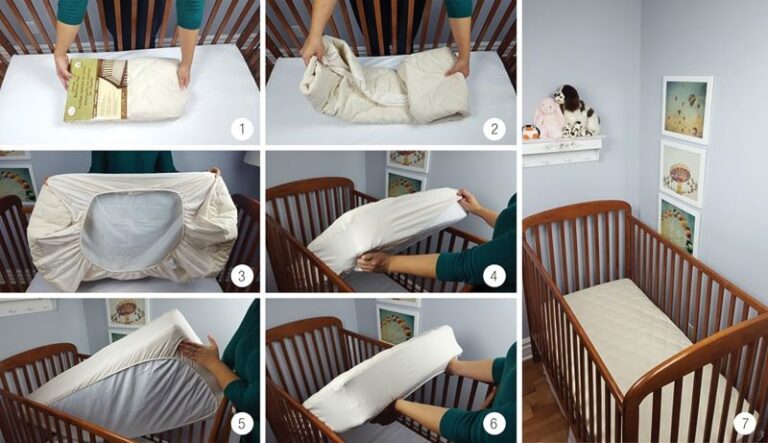
Ensuring that you get as much sleep as possible is, in itself, a useful strategy for combating anxiety. Knowing the recommended baby sleeping rules, such as knowing when can babies sleep on their stomach, the type of bedding they require, and whether they should be in your room or their own (recommendations say the first six months should be in the same room), can give you peace of mind that you’re following expert advice, removing any guesswork. With that, you’ll find it easier to calm your mind when going to sleep because you’ll know that you’re doing everything right.
Invest in Baby Tech
Modern life may not be perfect, but there are some aspects for which we — and especially new parents — can be extremely grateful. Investing in the right baby tech can be a game-changer, not just for calming your mind, but also allowing you to focus on other tasks (or just get some sleep) without worrying about having to keep an eye on them.
Video monitors are the classic, essential piece of baby tech that can quickly have a transformative impact on your anxiety levels. There are also breathing and movement monitors, but it’s worth keeping in mind that those devices aren’t recommended by the AAP and can potentially make anxiety worse (if you’re paying too close attention to it).
One other piece of baby tech that can be useful is a white noise machine. They’re highly effective at helping babies sleep, but since you’ll be sleeping in the same room, you’ll also benefit, since they can make it easier to block out unwanted anxious thoughts.
Accept Some Crying

Crying is evolutionarily designed to provoke a stress response in parents, and well, newborns can cry a lot. Simply being around your new baby’s crying will elevate your cortisol levels, which can make anxiety worse.
It’s important to remember that not all baby cries are the same. They’ll cry when there’s an emergency, but they’ll also cry when they’re hungry, uncomfortable, tired, overstimulated, or pretty much everything else that can happen multiple times a day. Crying-related anxiety can often stem from a feeling that you must address the issue immediately, but except for in a very rare emergency, that’s not always the case. Learning to allow your baby to cry, even for a few minutes, can help prevent you from being pulled every time that it happens.
Proactively Speak To Your Pediatrician
Part of the problem with parenting anxiety is that little nagging doubts can become louder over time, and at some point, they become so loud that you end up going into a mental spiral. Proactively speaking to your pediatrician about any concerns, questions, or literally anything that’s on your mind can be a good way to calm your mind. It can be a good idea to write down a list of questions that you’ll ask at your next appointment, which will prevent you from anxiously needing to know the answer to a question at 2 am in the morning, when there’s no one around to answer it.
Don’t Try For Perfection
You don’t need to be perfect; you just need to be good enough. Many parents heap additional pressure on themselves because they think that they have to get every detail of parenting absolutely correct. That’s not the case! So forget perfection — if you’re feeding, clothing, and loving them, then they’re on the right track.
When In Doubt, Go For a Walk
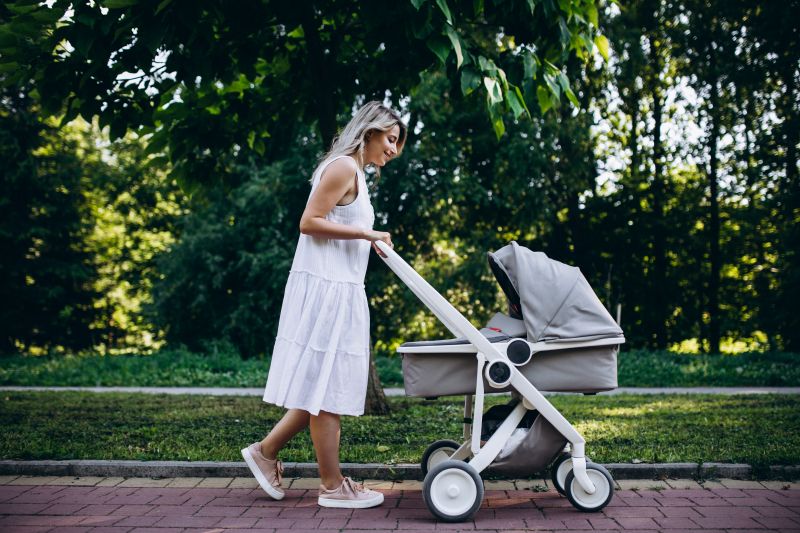
If you find yourself dealing with some anxiety, then go for a walk with your baby. Many thoughts can become circular when you’re in the house all day. Getting some fresh air, physical movement, and sunlight can have a hugely positive — and fast — impact on anxiety levels. It’s especially recommended if you find yourself doomscrolling through baby-related parenting forums, which can quickly lead to worst-case scenario thinking.
Conclusion
There’s no way to eliminate parenting anxiety. It’s what parents sign up for when they decide to have a baby. But as we’ve seen, there are plenty of ways to keep anxiety levels in control, which can go a long way towards maximizing the joyful aspects of being a new parent. Start by taking one or two of the tips on board, and then gradually introduce the rest — it will make a difference!