How Long Do Cat Allergy Symptoms Last? Get Relief
10 min read
1839 words
Cat allergy symptoms can appear surprisingly quickly, sometimes after spending only a short time in a home where a cat lives. For someone with an animal allergy, even an unexpected visit can lead to sneezing, itchy eyes, a runny nose and congestion that may continue long after leaving.
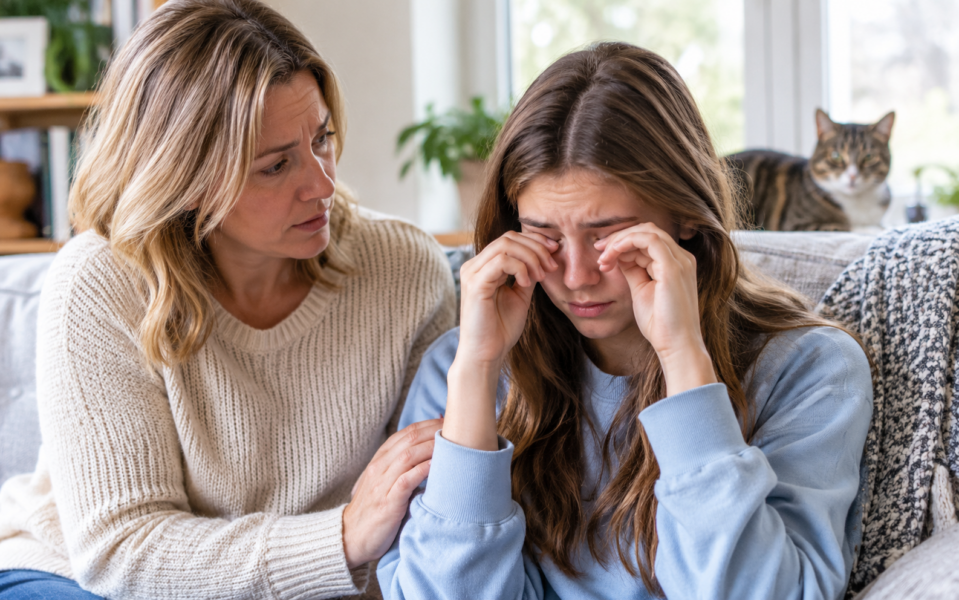
As a mother of a daughter who is allergic to cats, I have become more aware of how easily these situations can happen. My husband was visiting a client who had a cat, and my daughter went along with him. It was not a planned visit to spend time with an animal, but it was a reminder that exposure to pet allergens can happen during everyday activities.
You do not necessarily have to pet a cat, hold it or even have direct contact with it to experience an allergic reaction. Simply spending time in an environment where cat allergens are present may be enough. One question families often have after an experience like this is how long the symptoms will last and what they can do to feel better.
How Long Do Cat Allergies Last After Exposure?

If you have been around a cat and suddenly find yourself sneezing, rubbing your eyes or dealing with a stuffy nose, you may be wondering how long the reaction will last. The answer depends on the person’s sensitivity, the amount of allergen they encountered and whether they have other conditions, such as asthma.
For some people, symptoms begin to improve within a few hours of leaving the environment. Others may continue experiencing congestion, coughing, itchy eyes or skin irritation for several days. According to Cleveland Clinic, symptoms can last longer in people with more severe pet allergies, even after they are no longer around the animal.
It is important to remember that leaving a home where a cat lives does not necessarily mean you have stopped being exposed to cat allergens. These tiny particles can cling to clothing, hair and personal belongings. You may unknowingly bring them home, where they can continue causing problems.
This is one reason why a seemingly short visit can sometimes result in a much longer allergy flare-up. Someone may leave the environment where the cat lives but continue carrying traces of the allergen on their clothing.
What Causes Cat Allergy Symptoms?
Many people believe they are allergic to cat hair, but the actual problem is more complicated. Cat allergies are generally caused by proteins found in the animal’s skin flakes, saliva and urine. These proteins are known as allergens, and they can trigger an immune system response in people who are sensitive to them.
One of the major cat allergens is a protein called Fel d 1. Cats spread this protein onto their fur when grooming themselves. As the material dries, tiny particles can become airborne, settle on furniture or attach to clothing and other surfaces.
This explains why someone can experience an allergic reaction without ever touching a cat. If you walk into a home where a cat lives, you may breathe in allergens that are already circulating in the air. Even homes, offices and vehicles without pets can contain traces of cat allergens carried in by other people.
What Are the Common Symptoms of Cat Allergies?
Cat allergy symptoms can vary considerably from one person to another. Some people experience mild sneezing and watery eyes, while others develop more uncomfortable respiratory or skin symptoms. The amount of exposure and the individual’s sensitivity can influence how severe the reaction becomes.
Common symptoms include a runny or stuffy nose, repeated sneezing, itchy eyes, watery eyes, coughing, an itchy throat and postnasal drip. Some people also develop skin irritation, redness or hives after touching a cat or coming into contact with surfaces containing cat allergens.
For people who have asthma, exposure to cat allergens can be particularly troublesome. Wheezing, chest tightness, coughing and shortness of breath may occur. These symptoms should not be treated as an ordinary inconvenience. Anyone experiencing significant breathing difficulties needs urgent medical attention.
Can You Have an Allergic Reaction Without Touching a Cat?
Yes, and this is something many people do not realize until they experience it themselves. Cat allergens are small enough to become airborne and can settle on furniture, carpets, curtains and other household surfaces. They can also attach to people’s clothing and hair.
Think about visiting a friend, attending a family gathering or going to someone’s workplace. You might not see a cat during your visit, but that does not mean the environment is free of cat allergens. Someone who owns a cat may carry traces of those allergens on their clothing, and upholstered furniture can hold particles left behind from previous exposure.
This is particularly important for parents whose children have animal allergies. A child may develop symptoms after visiting a friend’s home, even if they spent very little time around the actual pet. It can sometimes be difficult to identify the source of the reaction until you consider where the child has been and who they have been around.
How Long Does Cat Dander Stay on Clothing and Furniture?
Cat allergens are particularly persistent. They can attach to clothing, bedding, carpets, upholstered furniture and other household surfaces. Because these particles are lightweight, they can also become airborne again when someone moves furniture, vacuums or disturbs dusty surfaces.
If you have been visiting a home with cats, changing your clothes when you return home is a sensible precaution. A jacket or sweater worn in an environment with cats can carry allergens into your own home, even if you do not have pets.
The Asthma and Allergy Foundation of America explains that cat allergens can remain at elevated levels in a home for several months. In some cases, allergens may remain for up to six months after a cat has been removed. This does not mean an individual will necessarily experience allergy symptoms for six months after a short visit. It means that the allergen can remain in the environment and potentially trigger further reactions.
What Can You Do After Being Around a Cat?
If you know you have been exposed to a cat and begin experiencing allergy symptoms, there are practical steps you can take to reduce further exposure. While these measures will not instantly eliminate an allergic reaction, they can help remove allergens from your body and prevent you from spreading them around your home.
Start by changing the clothing you wore during the visit. Place it in the laundry rather than leaving it on the bed, sofa or another upholstered surface. Showering and washing your hair can also help remove allergens that may have collected on your skin and hair.
Wash your hands and face, particularly if you touched an animal or surfaces where it spends time. Avoid rubbing your eyes, since transferring allergens from your hands can make irritation worse. If you have been carrying a jacket or bag that was exposed to cat allergens, consider cleaning it according to the manufacturer’s instructions.
At home, damp dusting can help remove particles from hard surfaces without stirring up as much dust as dry cleaning methods. If you have carpets or upholstered furniture, a vacuum equipped with a HEPA filter may help reduce accumulated allergens. A HEPA air purifier may also help remove some airborne particles.
Can Allergy Medication Help After Exposure to Cats?
There are several treatment options that may help relieve cat allergy symptoms. Antihistamines can reduce symptoms such as sneezing, itching and watery eyes. Some people may also benefit from nasal allergy sprays or eye drops, depending on their symptoms.
However, not every allergy medication works in the same way, and some are more appropriate for certain symptoms than others. It is worth speaking with a pharmacist or healthcare professional about which treatment is suitable, particularly when dealing with a child’s allergies or someone who takes other medications.
If you know that exposure to cats is likely, ask your healthcare provider whether taking allergy medication before visiting an environment where cats are present would be appropriate. People who experience frequent or troublesome reactions may also benefit from seeing an allergist to discuss testing and longer-term treatment options.
Can You Prevent Cat Allergy Flare-Ups?
Avoiding the allergen is generally the most effective way to prevent an allergic reaction. However, avoiding every home, workplace or social gathering where a cat might be present is not always practical.
If you are visiting someone who has a cat, let them know about the allergy beforehand. Depending on the person’s sensitivity, arranging to meet somewhere else may be the better option. Keeping a cat in another room does not completely eliminate exposure because allergens can remain on furniture and circulate throughout the home.
It is also worth knowing that there is no guarantee that a particular breed of cat will be safe for someone with a cat allergy. You may have heard of hypoallergenic cats, but all cats produce allergens. Their fur length or shedding habits do not guarantee that someone with an allergy will tolerate them.
Families dealing with more serious allergies should discuss prevention with an allergist rather than relying on assumptions about particular breeds or household cleaning practices.
When Should You Seek Medical Attention?
Although many animal allergy reactions involve sneezing, congestion and itchy eyes, some reactions can affect breathing. Cat allergens can trigger asthma symptoms in susceptible individuals, and respiratory symptoms should always be taken seriously.
If someone experiences significant difficulty breathing, throat or tongue swelling, faintness or signs of anaphylaxis, seek emergency medical assistance. If they have been prescribed an epinephrine auto-injector, follow their emergency action plan.
For recurring symptoms, an appointment with a healthcare professional or allergist can help determine whether an animal allergy is responsible. Allergy testing may help identify the specific animal causing the reaction and guide decisions about treatment and prevention.
Canadian readers can find additional information through Asthma Canada and the Canadian Society of Allergy and Clinical Immunology.
A Few Minutes Around a Cat Can Mean Hours of Allergy Symptoms
Having a child with an animal allergy makes you more aware of the environments you visit and the unexpected situations that can lead to exposure. Our experience with my daughter accompanying my husband to a client’s home with a cat was a reminder that these encounters do not always happen when you are deliberately visiting someone with a pet.
Sometimes, it is simply part of an ordinary day. What may seem like an insignificant amount of time around an animal to one person can be enough to trigger an uncomfortable reaction in someone with an allergy.
The good news is that understanding how animal allergens spread, recognizing the symptoms and knowing what to do after exposure can make these situations easier to manage. If your symptoms continue for several days, become more severe or interfere with everyday activities, it is worth discussing them with a healthcare professional.
Medical Disclaimer: This article is for informational purposes only and should not replace professional medical advice, diagnosis or treatment.