
Negotiating With Lenders When You Can’t Make Your Payments
7 min read
1377 words
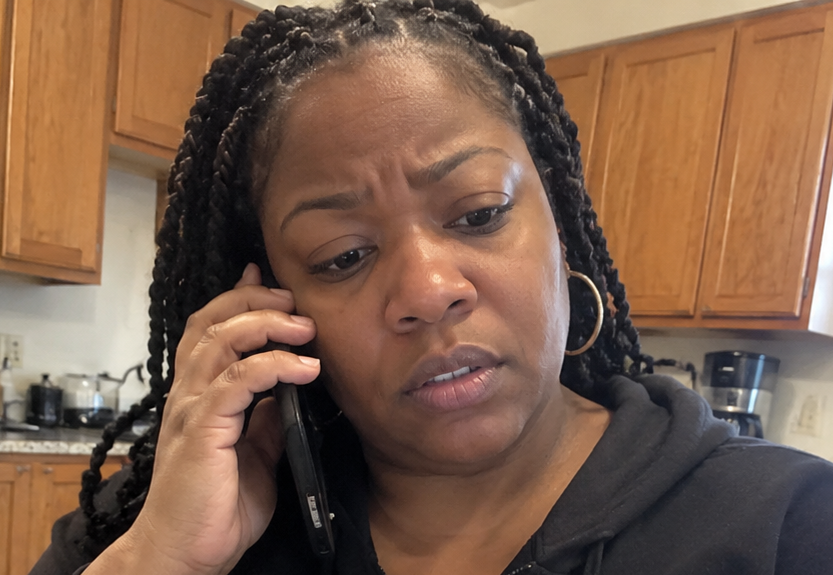
I think most of us have experienced that uncomfortable feeling of knowing a bill is coming due and wondering how we are going to manage to pay it. I know I have. With the rising cost of living, I find myself relying on my credit cards more than I would like. Sometimes it feels as though I pay off one or more debt payments only to find myself struggling with another. You get one balance down, an unexpected expense comes along, and suddenly you are right back where you started. I know I am not alone in feeling this way.
Groceries, household bills, insurance, fuel and everyday necessities seem to take a bigger bite out of the household budget than they once did. Even when you try to be careful with spending, there are months when everything seems to come due at once. Rising prices are squeezing household budgets, leaving more people struggling to keep up with their loan and credit payments. In the United States, auto loan delinquencies have also reached record levels this year, showing just how difficult it has become for some families to manage their monthly obligations.
I have learned a few things along the way about managing my dept payments, dealing with creditors and trying to keep debt from getting out of hand. One thing I have come to realize is that ignoring a payment you know you cannot make rarely makes the situation better. Sometimes, picking up the phone and having an honest conversation with the company you owe can open the door to options you might not have known were available. You don’t necessarily have to wait until you have missed several payments before asking for help.
Contact Your Lender Before You Fall Further Behind
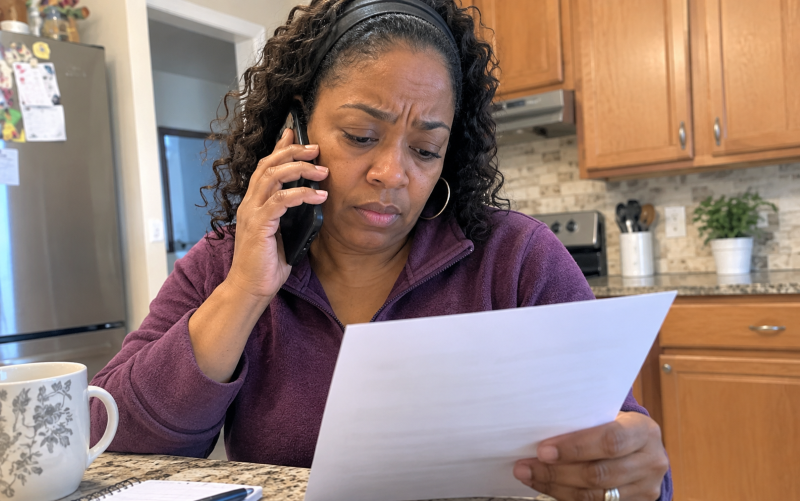
When you realize you are going to have trouble making a payment, try to contact the lender before the due date. It can be tempting to put off that conversation because nobody enjoys admitting they are struggling financially. However, waiting until several payments have been missed can make an already stressful situation harder to manage. Explain what has changed financially and be honest about what you can realistically afford.
Before calling, take a look at your budget and work out how much money you have available after covering necessities such as housing, groceries, utilities and insurance. If your work hours have been reduced, an unexpected expense has come up or everyday living costs have left you short, explain that briefly. You don’t need to share every personal detail, but giving the representative a clear picture of your circumstances can help them determine whether any assistance is available. Most importantly, don’t promise to pay an amount you already know you cannot afford.
Ask About Payment Arrangements and Hardship Options
Many people assume that if they cannot make their regular payment, their only option is to accept a late fee and hope they can catch up later. That isn’t necessarily the case. Depending on the lender, the type of account and your financial circumstances, you may be able to request a different payment date, a temporary reduction in payments or a short-term hardship arrangement. You can also ask whether a late fee can be waived, particularly if you have generally maintained your payments and are experiencing an unexpected financial setback.
Auto loans deserve particular attention because falling behind can have serious consequences. My sister lives in Irving, Texas, so I have a personal connection to the area. For people there who are exploring borrowing options, an auto equity loan in Irving is one financial product they may come across. An auto equity loan allows someone to borrow against the equity in their vehicle. However, using your vehicle as collateral deserves careful consideration, especially when money is already tight. Make sure you understand the interest charges, repayment schedule and what could happen if you cannot make the payments. Your vehicle may be at risk if it is used as collateral.
Be Careful When a Debt Goes to Collections
If you have fallen far enough behind that a debt has been sent to a collection agency, take the time to understand what you owe before agreeing to a payment arrangement. Make sure you know who is contacting you, which creditor the debt originated with and whether the amount being claimed is correct. In the United States, the Consumer Financial Protection Bureau (CFPB) explains that debt collectors must provide certain information about a debt, known as validation information. This helps consumers identify the debt and understand their rights.
If you receive a collection notice, read it carefully and pay attention to any instructions for disputing the debt. Don’t assume the balance is correct simply because a collection agency is requesting payment. You can review the CFPB’s information about debt collection validation information to better understand what information collectors must provide. If something doesn’t look right, ask questions before agreeing to pay.
Get Any New Payment Agreement in Writing
If a lender agrees to change your payment arrangements, ask for the details in writing before relying on the new terms. Find out exactly how much you need to pay, when the payment is due and whether interest or additional fees will continue to accumulate. It is also worth asking how the arrangement will affect your account status and whether missed payments will still be reported to the credit bureaus. A reduced payment does not automatically mean your account will be considered current, and making a partial payment does not necessarily prevent a late payment from being reported.
Keep copies of emails, confirmation numbers and any written agreements. If you are having trouble keeping up with an existing IRS installment agreement in the United States, the same principle of communicating early applies. The IRS advises taxpayers who can no longer afford their agreed payments to contact the agency because a change to the monthly payment amount may be possible if their financial circumstances have changed. Its guidance on changes to an installment agreement explains what to do if you cannot maintain your existing arrangement.
Look at the Bigger Picture Before Borrowing More
When you are struggling to keep up with payments, it can be tempting to reach for another credit card or loan just to get through the month. I understand that feeling. Sometimes you just need to get one bill paid and move on to the next problem. However, borrowing more to pay existing debt can create a cycle that becomes increasingly difficult to escape. Before taking on another monthly payment, look at what you already owe, the interest rates you are paying and how much of your income is going toward debt.
If you have several balances, write them down so you can see the full picture. Pay attention to minimum payments, interest charges and due dates. If you are consistently relying on credit cards to cover groceries and other everyday necessities, it may be time to look at whether your current budget is still realistic. Speaking with a reputable credit counselling organization may also help you understand your repayment options and whether a debt management plan is appropriate for your situation.
Falling Behind Doesn’t Mean You Have Failed
I think one of the hardest parts of struggling with debt is the feeling that you should somehow be doing better. It can be discouraging to work hard, make payments and still feel as though you are getting nowhere. I know what it is like to pay down one balance and then find another expense waiting around the corner. Sometimes it feels like you are running in circles, and with the cost of everyday living continuing to put pressure on household budgets, I suspect many other families understand that feeling.
What I have learned is that ignoring the problem usually adds to the stress. Knowing what you owe, understanding your options and having an honest conversation with your creditors can help you regain some control. You may not be able to fix everything in one month, and that is okay. Start by understanding your financial situation, contacting the companies you owe and making arrangements you can realistically maintain. Falling behind on debt doesn’t mean you have failed, but taking steps to address it can make the road ahead a little easier.