

Dating Violence in Youth: What Parents Should Know
10 min read
1979 words
Dating violence is an issue many parents may not think about until their child begins dating. However, unhealthy and abusive relationships can begin much earlier than some adults realize. According to the Canadian Paediatric Society (CPS), approximately one in three young people in a national sample of Grade 9 and 10 students had experienced dating violence. The issue deserves attention from parents, educators and communities because its effects can extend well beyond adolescence.
Dating violence is not limited to physical abuse. It can include emotional, psychological, sexual and digital abuse, as well as controlling behaviour, intimidation, threats and manipulation. Recognizing these behaviours early can help young people understand what a healthy relationship should look like and know when to ask for help.
Dating Violence Can Begin Earlier Than Parents Realize

Parents sometimes associate dating violence with older teenagers or adults, but unhealthy relationship behaviours can emerge much earlier. The Canadian Paediatric Society’s guidance addresses youth and adolescents beginning in Grade 6. This does not mean every child in Grade 6 is dating. It does remind us that conversations about respect, boundaries, consent and healthy relationships should begin before children start navigating romantic relationships.
Preteens are still learning how to manage emotions, friendships, conflict and social pressure. They may not recognize jealousy, possessiveness or constant demands for attention as warning signs. A child might believe that someone checking their phone, deciding who they can spend time with or demanding to know where they are is simply showing affection.
Yelling, angry outbursts, name-calling and intimidation should not be dismissed as harmless behaviour. If a young person feels frightened of upsetting someone because of that person’s temper, it is worth paying attention. Parents can explain that affection should never involve fear, pressure or control. A healthy relationship allows both people to maintain friendships, have privacy and feel comfortable saying no.
Boys Can Experience Dating Violence Too
Dating violence is often discussed as something that happens to girls, but boys can experience it as well. They may face physical aggression, emotional manipulation, threats, unwanted sexual pressure or controlling behaviour from a dating partner. Their experiences deserve the same recognition and support.
Boys may find it difficult to speak up because of social expectations about masculinity. They might worry about being embarrassed, not being believed or being judged by friends and family. Some may not even recognize what is happening as abuse.
Parents should make it clear that no one deserves to be hurt, threatened, controlled or pressured in a relationship. A boy who experiences dating violence is not weak, and asking for help does not make him any less of a boy. All young people deserve to feel safe and respected.
A Mother’s Perspective: Why This Issue Is Personal
As a mother, this issue is not something I can view only through statistics. My oldest daughter experienced dating violence when she was 14. I also experienced relationship violence myself at 18. These experiences have made me particularly aware of how important it is for young people to understand that controlling, intimidating or hurtful behaviour is not a normal part of being in a relationship.
I have also seen my youngest daughter experience bullying and physical aggression from boys in her classroom, including being pushed and kicked. Although school bullying is not the same as dating violence, both situations demonstrate why children need to learn that aggression and disrespect are never acceptable ways to treat another person.
Children do not automatically know what a healthy relationship looks like. They need adults who are willing to have honest conversations, listen to their concerns and take their experiences seriously. Most importantly, they need to know they will be believed and supported if something happens.
The Lasting Impact of Teen Dating Violence
Dating violence can affect a young person’s emotional well-being, confidence, friendships, education and sense of safety. Someone who is being controlled or intimidated may withdraw from friends and family, become anxious, lose interest in activities or struggle to concentrate at school.
Some young people hide what is happening because they feel ashamed, fear their partner’s reaction or believe nobody will understand. Others blame themselves or think they can change their partner’s behaviour if they try harder.
Experiencing abuse during adolescence can also influence how a young person views relationships in the future. Early recognition and appropriate support are important. Young people need to understand that abuse is not their fault and that they deserve relationships built on kindness, trust and respect.
Warning Signs Parents Should Watch For
Dating violence is not always obvious. Physical injuries may be one warning sign, but many forms of abuse leave no visible marks. Parents may notice changes in their child’s behaviour before they know what is happening.
A young person may become withdrawn, anxious or unusually secretive about their phone. They might stop spending time with friends, give up activities they previously enjoyed or seem worried about upsetting their partner. A partner who constantly checks messages, demands passwords, monitors location, controls clothing or becomes angry when the young person spends time with others may be displaying controlling behaviour.
Pay attention to repeated yelling, screaming, insults and angry outbursts. A young person may say they have to be careful about what they say because the other person gets angry easily. Other warning signs include excessive jealousy, humiliation, threats, pressure to engage in sexual activity, unwanted touching or sharing private photographs without permission.
Digital abuse can involve persistent unwanted messages, tracking, online harassment and threats to publish personal information or images. One warning sign alone does not necessarily prove dating violence is occurring, but noticeable changes in behaviour or a child’s fear of a partner should not be dismissed. Parents can gently ask questions and give their child an opportunity to talk.
How to Talk to Your Children About Dating Violence
Talking about dating violence does not need to be one uncomfortable conversation. It is often easier to introduce the subject through everyday discussions about friendships, relationships, television, social media and situations young people encounter at school. Starting before a child begins dating helps establish that respect and personal boundaries matter in every relationship.
Start the Conversation Early
Parents should not wait until their child is in a relationship to explain what healthy relationships look like. Even younger children can understand that people should treat one another with kindness, respect and fairness. As children grow older, conversations can include consent, boundaries, pressure, jealousy and controlling behaviour.
Ask what they think makes someone a good friend or how they would feel if someone demanded to read all their messages. These questions can open the door to meaningful conversations without making a child feel lectured.
Explain That Control Is Not Love
Young people may mistake jealousy or possessiveness for affection. Explain that a partner does not have the right to control who they see, what they wear, where they go or who they communicate with.
Love should not require someone to give up friendships, privacy or independence. A partner who demands passwords, becomes angry over ordinary conversations or expects immediate replies may be displaying controlling behaviour. Everyone is entitled to personal space and the freedom to make their own decisions.
Talk About Consent and Boundaries
Children and teenagers need to understand that everyone has the right to decide what happens to their own body. They should never feel pressured into kissing, touching, sexual activity or sharing intimate photographs.
Explain that consent must be freely given and can be withdrawn. Being in a relationship does not mean someone is entitled to physical intimacy. Young people must also learn to respect another person’s boundaries and accept no without arguing, threatening or applying pressure.
For more guidance on starting age-appropriate conversations about sexual safety, parents may find my article, How to Talk to Kids About Sexual Assault: A Parent’s Guide, helpful.
Make Sure Your Child Knows They Can Talk to You
Children may hesitate to tell their parents about an unhealthy relationship because they fear being blamed, losing privileges or being told they cannot see their partner. Let your child know they can come to you without being judged.
Listen carefully and avoid immediately criticizing their partner or demanding that they end the relationship. An angry reaction can make a young person less likely to share what is happening. Reassure them that you believe them, the abuse is not their fault and you will help them find a safe way forward.
Discuss Digital Dating Violence
A partner may demand access to social media accounts, monitor location, repeatedly send unwanted messages or become angry when a message is not answered immediately. Threatening to share private photographs or posting humiliating information online are also forms of abuse.
Discuss online privacy and explain that no one has the right to pressure a young person into sending intimate images. Children should know they can tell a trusted adult if someone threatens or harasses them online.
Counselling and Support for Young People
Experiencing dating violence can leave a young person frightened, confused, embarrassed or unsure of whom to trust. Parents should reassure their children that they do not have to handle the situation alone. Asking for help is a sign of strength, not weakness.
Speaking with a school counsellor, social worker, trusted teacher or family doctor can be a helpful first step. Professional counselling gives young people a safe place to discuss what happened, work through difficult emotions and rebuild their confidence. A counsellor experienced in working with adolescents can also help them recognize unhealthy relationship patterns and develop strategies for setting boundaries and staying safe.
Community mental health agencies, youth services and family counselling centres may offer individual counselling, support groups or referrals. Some services provide free or low-cost support, although availability varies by location. Parents can contact a local youth mental health agency or family doctor to ask about appropriate services.
In Canada, Kids Help Phone offers support by calling 1-800-668-6868 or texting CONNECT to 686868. Young people can also visit Kids Help Phone to explore online support options.
Listen without judgment and avoid asking why your child stayed in the relationship or dismissing the experience as ordinary teenage drama. If there are threats, stalking or physical harm, help the young person connect with appropriate local support and safety services.
What the Canadian Paediatric Society Recommends
The Canadian Paediatric Society encourages health professionals to recognize dating violence as an important adolescent health issue. Its guidance highlights the importance of giving young people opportunities to discuss relationships privately and receive education and support.
One approach discussed by the CPS is CUES, which stands for Confidentiality, Universal Education and Support. It encourages professionals to explain confidentiality and its limits, provide education about healthy relationships and offer support without requiring a young person to disclose personal experiences first.
The message is important for parents, too. Young people should have access to information about healthy relationships even if they have never experienced abuse. They should know where to turn if they or a friend needs help.
Taking Teen Dating Violence Seriously
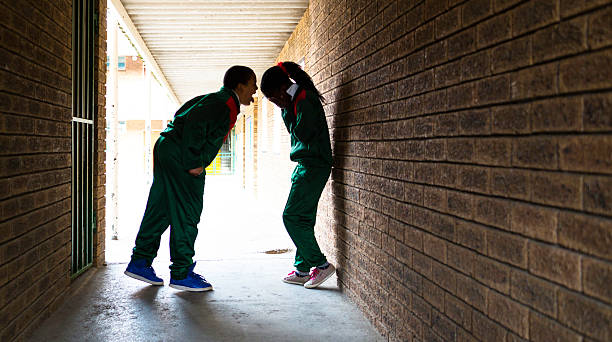
Dating violence should never be dismissed as ordinary teenage relationship drama. Whether it involves physical aggression, emotional manipulation, sexual pressure or digital control, abuse can have serious consequences for a young person’s well-being.
Parents cannot prevent every unhealthy relationship, but they can help children recognize warning signs through open conversations about consent, boundaries and respect. Access to trusted adults and professional counselling can also make a meaningful difference.
Most importantly, children need to know they are not alone. Boys and girls alike deserve relationships in which they feel safe, respected and valued. When young people speak up about dating violence, they deserve to be heard, believed and supported.
References and Further Reading
Canadian Paediatric Society: Teen Dating Violence Among Adolescents
Statistics Canada: Intimate partner violence among Canadian youth
Government of Canada: Gender-Based Violence Conversation Guide for Adults Supporting Young Men Aged 14 to 18
Kids Help Phone: Get Support